You cannot guard a vast maritime border with rusty patrol boats and sheer willpower. Manila is finally waking up to that harsh reality.
For years, the Philippines played a high-stakes naval game of catch-up against a much larger adversary in contested waters. Now, defense planners are shifting gears. They are ditching slow, traditional procurement cycles to buy up unmanned aerial and surface systems. It's a massive tactical pivot. And honestly, it is long overdue.
If you look at the geography of the West Philippine Sea, traditional ships alone will always lose the numbers game. Drones change that math entirely. They give a smaller defense force persistent eyes in the sky without risking pilot lives every time a supply run turns hostile.
The Reality of Maritime Surveillance
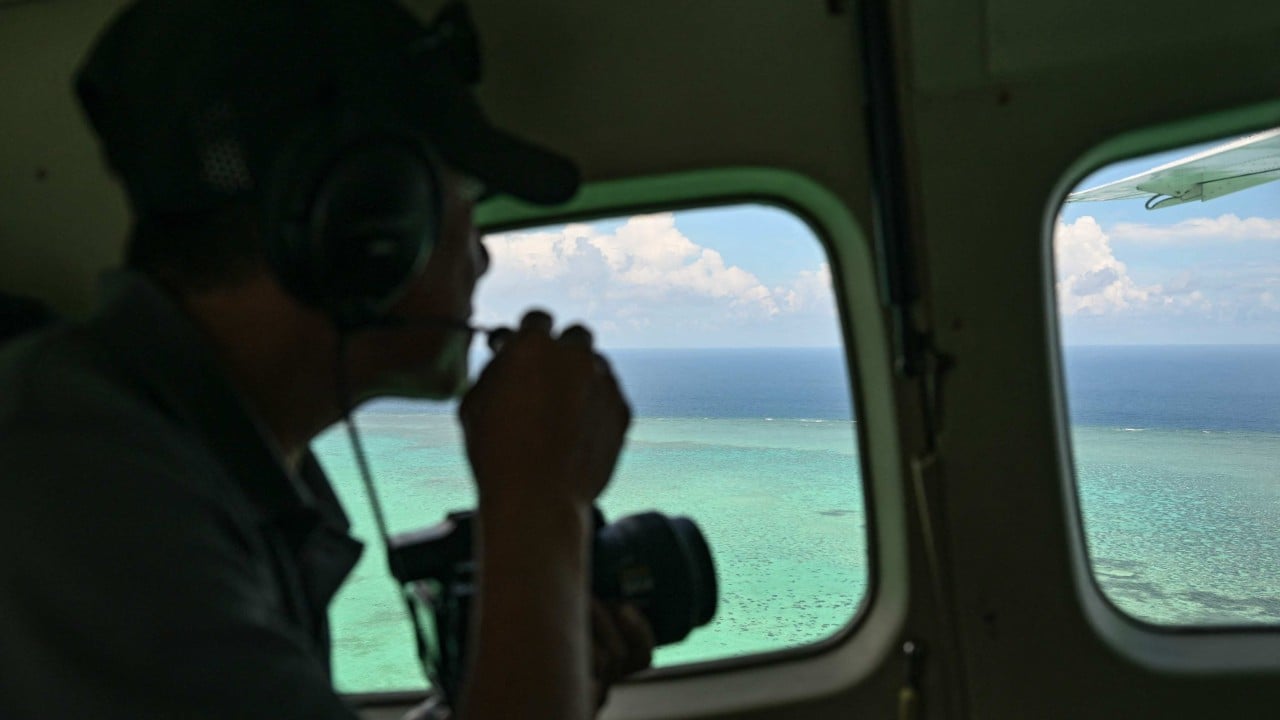
Out on the water, visibility is everything. If you see the coast guard cutter or maritime militia ship coming hours before it arrives at a disputed reef, you can prepare. If you are flying blind, you get ambushed by water cannons and long-range acoustic devices.
Drones solve the tyranny of distance. The Philippine military is heavily investing in long-endurance aerial systems to patrol Exclusive Economic Zones. You are talking about platforms that can stay aloft for twenty hours straight, feeding real-time video back to command centers in Palawan and Manila.
Dry specs look great on paper. Real-world operations are messy. Salt spray corrodes electronics. High winds shred lightweight frames. Operators make mistakes under pressure. Defense contractors love to talk about autonomous swarms, but maintenance crews in the field deal with broken actuators and fried motherboards.
That is why the current expansion focuses as much on logistics and training as it does on hardware acquisition. Buying the drone is the easy part. Keeping it operational in a tropical maritime environment is where the real war is won or lost.
Why Unmanned Systems Change the Strategy
You have to understand how asymmetric warfare works here. China deploys a massive gray-zone fleet of coast guard vessels and commercial fishing boats acting as militia. They crowd out Philippine resupply missions to remote outposts like Second Thomas Shoal.
Sending a major warship to counter fishing boats is a diplomatic nightmare and a financial trap. It escalates tensions past the threshold of war.
Enter the unmanned vehicle.
Drones operate below that escalation threshold. They record evidence. They stream high-definition footage of aggressive maneuvers to the entire world within seconds. Information is a powerful weapon in modern defense strategy. When maritime harassment happens under the unblinking lens of an aerial drone, propaganda narratives collapse.
Beyond surveillance, future iterations of these fleets will likely include loitering munitions and unmanned surface vessels. These systems deny enemy freedom of movement. They make blockade attempts too expensive and too risky to maintain indefinitely.
Overcoming Institutional Inertia
Bureaucracy kills defense modernization faster than any enemy missile. Military procurement in developing nations is notoriously bogged down by red tape, corruption allegations, and shifting political priorities.
For decades, the Philippine armed forces focused heavily on internal security and counter-insurgency. Shifting an entire institutional mindset toward external maritime defense takes time. Generals who spent their careers fighting jungle insurgencies now have to think about satellite links, radar cross-sections, and electronic warfare jamming.
Budget constraints remain a massive hurdle. Defense spending has ticked upward, but competing domestic needs always demand cash. Lawmakers scrutinize every peso spent on high-tech hardware when infrastructure and health care face constant shortages.
Yet, external pressures have a way of focusing political will. When supply ships get rammed and sailors get injured, public opinion shifts overnight. Taxpayers want to know their maritime forces can protect national sovereignty. Drone fleets offer a cost-effective deterrent compared to buying multi-role fighter jets or heavy frigates.
What Happens Next on the Water
The skies above the South China Sea are getting crowded. As Manila integrates more unmanned platforms into its existing naval architecture, expect regional friction to intensify.
Other nations are watching closely. The lessons learned in these contested waters will dictate how medium-sized powers handle aggressive neighbors in the coming decade. You do not need a trillion-dollar military budget to project power anymore. You need smart architecture, reliable supply chains, and the willingness to adapt faster than your opponent.
The strategy is risky. It invites electronic countermeasures and cyber warfare. But standing still is a death sentence. Manila has chosen movement.
Keep your eyes on the procurement logs and partnership deals over the next twelve months. The shift from traditional coast-guard-heavy posture to a distributed, tech-heavy surveillance grid is happening right now.