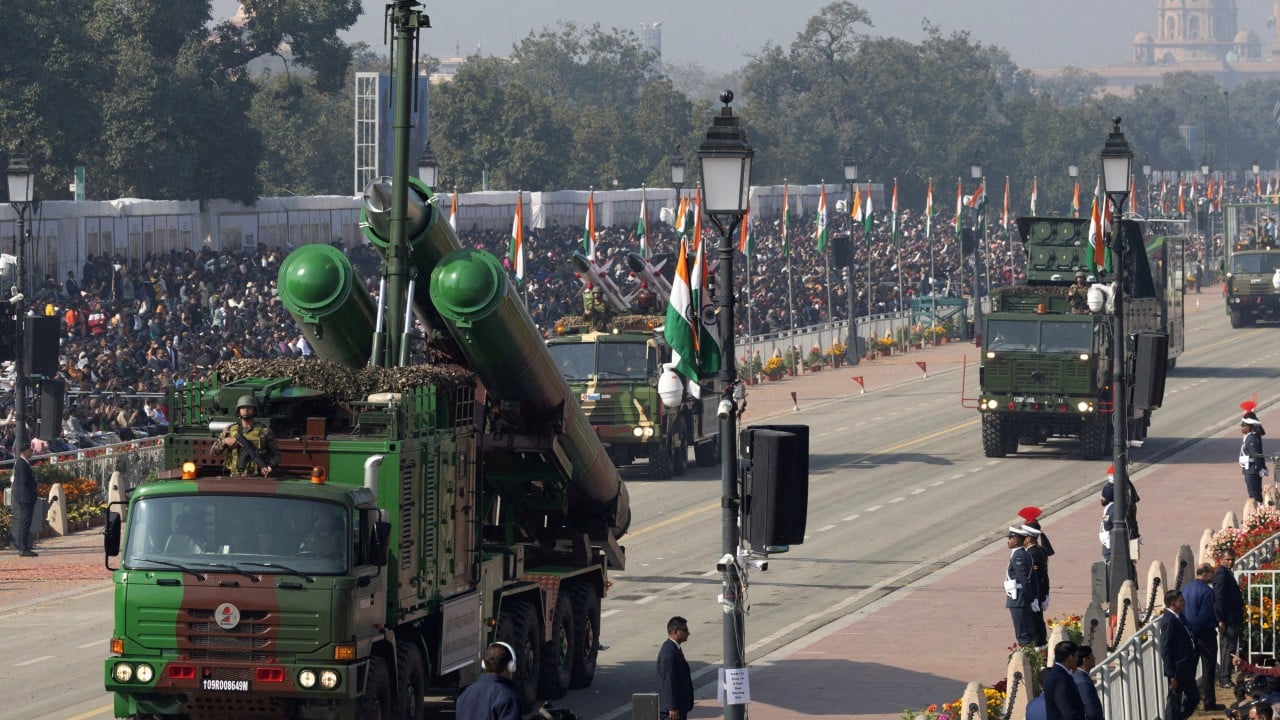
When Manila signed a $375 million contract for BrahMos supersonic cruise missiles back in 2022, skeptics dismissed it as a one-off transaction. Fast forward to today, and that single purchase has evolved into a much deeper strategic pivot. With ongoing maritime friction in the South China Sea, the Armed Forces of the Philippines are racing to build a credible deterrent. Looking at how New Delhi transformed its own industrial base from a massive arms importer into a rising global exporter, Philippine officials see a practical roadmap for self-reliance.
Is trying to replicate India's defense trajectory too ambitious for an archipelago historically dependent on the United States and other Western suppliers? The short answer is yes, if Manila expects to build high-end missiles from scratch tomorrow. But no, if they follow a phased approach of joint ventures, localized maintenance, and gradual technology transfer. Building on this topic, you can also read: Inside the Washington Strategy Rooms Where Nuclear Options Against Iran Are Being Whispered.
Moving Beyond Just Buying Hardware
For decades, Philippine defense procurement followed a predictable loop: write a check to Washington, Seoul, or Tokyo, wait years for delivery, and rely entirely on foreign contractors for heavy maintenance. That model breaks down the moment a supply chain snaps or geopolitical priorities shift.
The appeal of the Indian defense model lies in its push for domestic autonomy under initiatives like Atmanirbhar Bharat (self-reliant India). When India delivered the initial batches of coastal defense batteries, the agreement included operator training, logistical support, and discussions around setting up localized joint ventures for maintenance. Observers at BBC News have shared their thoughts on this trend.
You cannot simply buy a missile system and expect your troops to master it overnight. It takes years of institutional knowledge. By partnering with a nation that fought through similar bureaucratic and industrial hurdles, Manila is shortening its learning curve.
The Hard Realities of Defense Manufacturing
Let's look at the actual numbers and constraints. India spent decades building a massive public-sector defense complex before seeing its exports surge past ₹23,600 crore recently. Even with that growth, India remains one of the world's largest importers of raw military hardware.
If a giant economy like India took that long to crack open export markets, what does it mean for the Philippines?
- Industrial Base Gaps: Manila lacks heavy metallurgical and aerospace manufacturing ecosystems at scale.
- Budgetary Pressures: Modernization funds under the Self-Reliant Defense Posture (SRDP) must balance immediate territorial defense needs with long-term capital investments.
- Technology Transfer Hurdles: Selling tech is easy; handing over sensitive propulsion and guidance blueprints requires deep political trust, which takes years to build.
Rather than trying to build tanks or fighter jets immediately, pragmatic defense planners in Manila are focusing on what works now. This means localized assembly, maintenance hubs for existing cruise missiles, and incremental co-production of smaller tactical gear.
What This Means for Regional Security
The broader Indo-Pacific theater is watching closely. When Philippine Ambassador to India Josel Ignacio highlighted the success of the BrahMos deliveries, he pointed to a wider shift in Southeast Asia. Countries like Vietnam and Indonesia are also eyeing Indian defense tech to diversify their security portfolios.
No one is claiming the Philippines will rival traditional arms giants anytime soon. But aiming to become an exporter or even a self-sustaining regional maintenance hub isn't just a pipe dream—it's a calculated survival strategy. When your maritime borders face constant pressure, building your own wrench-turning capability matters just as much as having the weapons themselves.
Start by tracking how upcoming joint venture agreements translate into local facility investments over the next fiscal cycle. Watch the training pipelines. That is where true defense independence actually begins.
Check out this India-Philippines Defense Joint Venture overview to see how local manufacturing initiatives and missile maintenance programs are shaping up for the Philippine military.
http://googleusercontent.com/youtube_content/1