The radio in a Coast Guard rescue helicopter does not static like the ones in the movies. It crackles with a precise, clinical urgency.
When a voice cuts through the squelch off the coast of Lake Erie at two in the morning, screaming that their vessel is taking on water, nobody stops to debate whether the person on the other end is lying. Engine throttles push forward. Rotors bite into the freezing air. Men and women who were sound asleep five minutes prior strap themselves into harnesses over black, bottomless water.
Then comes the arrival.
There is no sinking boat. There are no flare trails lingering in the clouds. There is only a vast, empty stretch of ink black freshwater, and a crew realization that hits like a bucket of ice water: it was all a joke.
It happens far more often than anyone wants to admit. Across the Great Lakes, Canadian and American maritime authorities are fighting a growing wave of hoax distress calls. These are not minor misunderstandings or accidental button presses by confused weekend boaters. They are deliberate, fabricated emergencies broadcast across international VHF radio channels.
The lakes do not forgive foolishness. Lake Superior alone holds enough water to submerge North and South America in a foot of liquid. When a storm rolls across Huron or Michigan, waves can stack ten feet high in minutes. Operating a rescue mission in these conditions is inherently dangerous. Doing it for a phantom is a disaster waiting to happen.
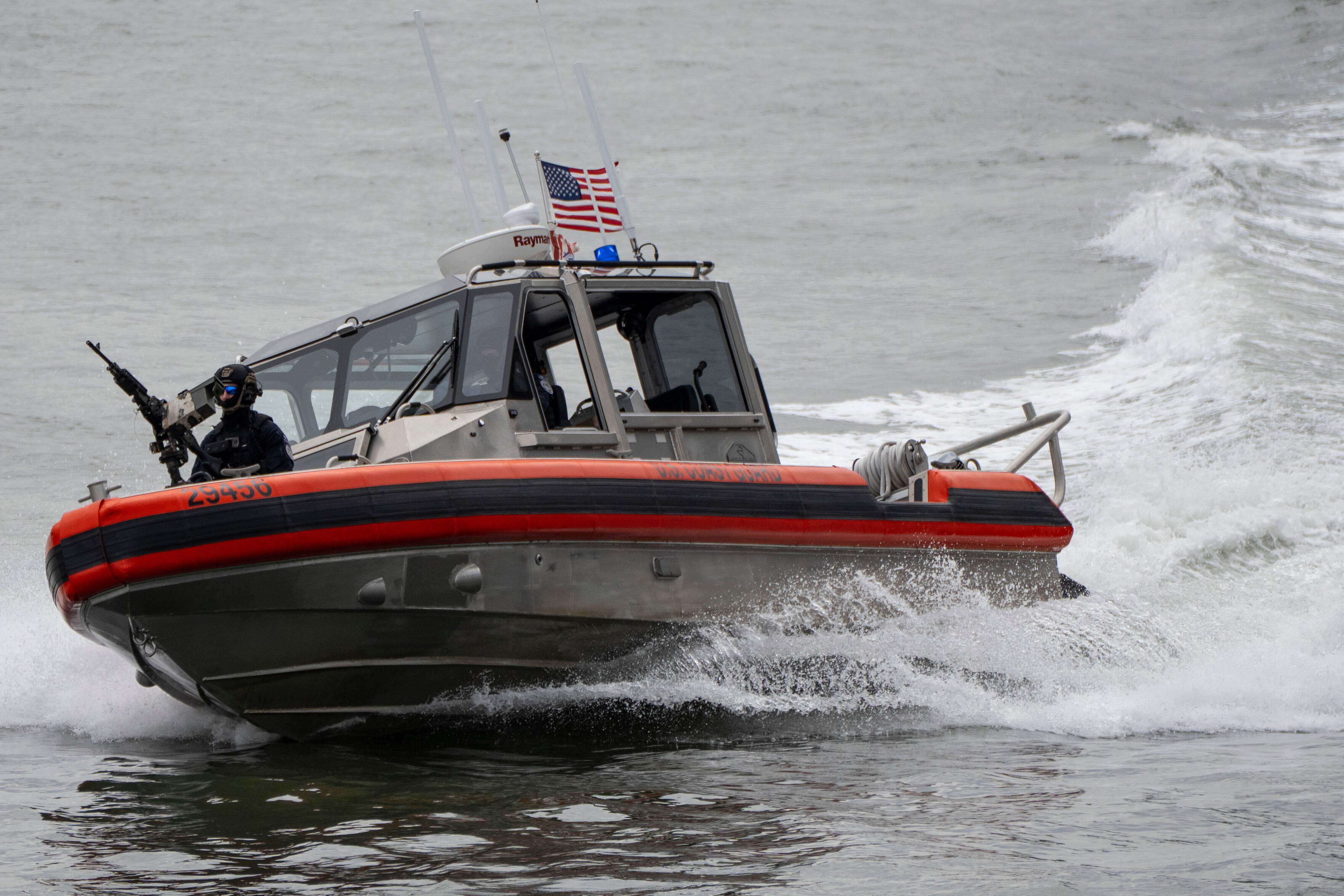
Consider a hypothetical rescue crew based out of Sector Detroit. When a fake "Mayday" goes out, the response is immediate and total. A 45-foot response boat deploys. An MH-65 Dolphin helicopter launches. The cost of fuel, maintenance, and personnel hours quickly climbs into tens of thousands of dollars for a single outing. But the financial toll is the smallest part of the equation.
The real cost is time.
Search and rescue is a game of brutal arithmetic. Every minute a helicopter spends flying toward a hoax is a minute it cannot spend hovering over an actual swimmer in distress five miles away. Cold water hypothermia does not wait for a prankster to finish his laugh. In sixty-degree water, exhaustion or unconsciousness can set in within two hours. In forty-degree water, you have less than thirty minutes before your body begins to shut down.
When responders are lured to coordinates that contain nothing but empty waves, the spatial safety net of the entire region weakens.
Why do people do it? Authorities note that many pranksters use handheld marine radios purchased cheaply online, falsely believing that VHF broadcasts are entirely anonymous. They broadcast a panicked voice, listen to the scramble on local scanner apps, and feel a sense of twisted control.
They forget that radio signals leave footprints.
Both the U.S. and Canadian Coast Guards, alongside federal law enforcement, utilize sophisticated direction-finding equipment and audio analysis. Hoax calling is a federal crime on both sides of the border. In the United States, making a false distress call can carry severe penalties, including prison time, heavy criminal fines, and the mandatory court-ordered reimbursement of the full cost of the rescue response.
Yet the calls continue to rise, stretching thin the resources of those who watch over some of the most treacherous inland waters in the world.
Standing on the deck of a cutter at night, looking out into the pitch-black horizon where Lake Huron meets the sky, you realize how small human beings really are against that expanse. The men and women who put on the orange gear do not ask who you are, what you believe, or how you ended up in the water. They just come.
Every false scream over the radio chips away at that trust, forcing rescuers to risk their lives for ghosts while real people wait in the dark.


