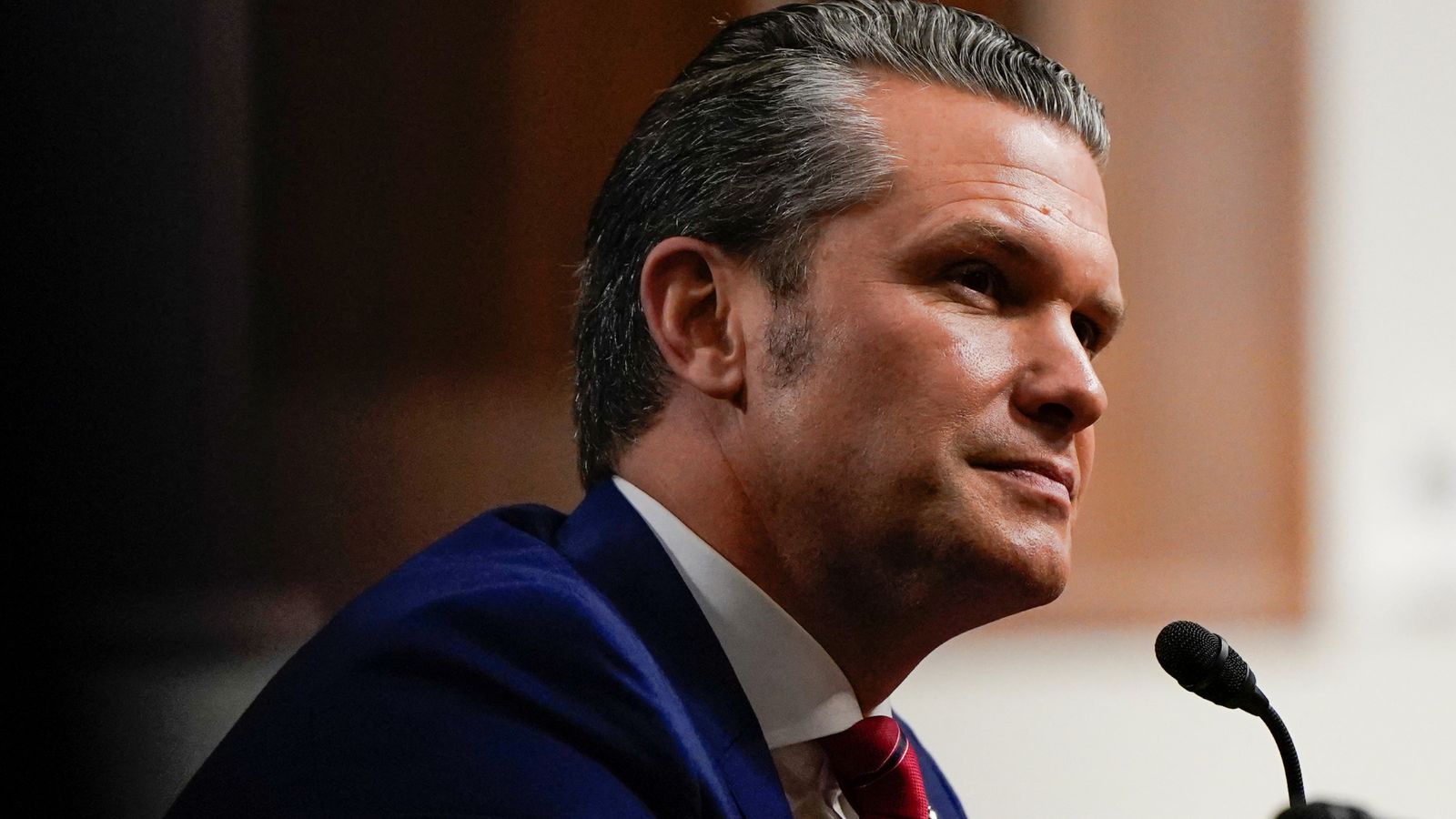
The mainstream media is treating US Defense Secretary Pete Hegseth’s canceled trip to Israel like a diplomatic fire drill. They see a single headline—Trump declares the Iran ceasefire "over"—and immediately default to their favorite, lazy narrative: chaos, unpredictability, and an administration in over its head.
They are missing the entire point.
Diplomatic cancellations are rarely a sign of panic. In the transactional world of modern geopolitics, they are a deliberate lever of power. Hegseth staying in Washington isn't a retreat; it is a calculated recalibration. The establishment press looks at a schedule change and sees a crisis. True defense insiders look at the board and see a classic leverage play.
The Myth of the Sacred Schedule
For decades, the Washington foreign policy apparatus has operated on a flawed premise: that showing up is the same thing as achieving a result. State visits and defense summits are treated like sacred rituals. If a secretary cancels, the commentariat panics, assuming the relationship is fracturing.
I have watched administrations pour hundreds of hours into orchestrating high-profile trips, only to come home with empty platitudes and a massive taxpayer bill. The assumption that Hegseth must be on the ground in Tel Aviv to manage a shifting Middle Eastern theater is outdated. We live in an era of instantaneous, secure communication.
When Donald Trump signals that a ceasefire with Iran is dead, the worst thing the Pentagon can do is send its top official abroad to play nice for the cameras. It signals desperation. It suggests the US is reacting to events rather than driving them. By pulling the plug on the travel itinerary, Washington sends a chilling message to both allies and adversaries: The calculus has changed, and we are not bound by your timeline.
The Illusion of the Iran Ceasefire
Let us be brutally honest about the so-called Iran ceasefire that the media is mourning. It was a paper tiger from day one.
International relations theory, particularly the realist school championed by scholars like John Mearsheimer, reminds us that states act in their own self-interest, not out of respect for poorly enforced pieces of paper. A ceasefire with a revolutionary regime that funds regional proxies is not a peace plan; it is a tactical pause. It allows adversaries to re-arm, regroup, and choose the next flashpoint.
The conventional wisdom dictates that the US must preserve these fragile agreements at all costs to maintain "stability." But stability is often just a code word for stagnation.
- The Flawed Premise: If we keep talking, they will stop fighting.
- The Reality: If you reward bad behavior with diplomatic patience, you get more bad behavior.
Trump declaring the ceasefire over is simply saying out loud what intelligence briefings have shown for months. Iran's proxies did not stop their operations because of a press release. Pretending otherwise is a dangerous luxury that a defense secretary cannot afford. Hegseth remaining in Washington signals that the Pentagon is shifting from a posture of managed decline to one of active deterrence.
Why Washington Insiders Dread Agility
The backlash to this move reveals a deeper systemic issue within the Department of Defense. The Pentagon is the world's largest bureaucracy. It detests sudden movements. It thrives on five-year plans, predictable rotations, and endless committee meetings.
When an administration treats defense policy like an agile corporate entity—pivoting strategy based on real-time intelligence rather than bureaucratic inertia—the system rebels.
Imagine a scenario where a CEO sees a market shift and instantly pulls a product line. Wall Street might shock-react, but it is the correct move for survival. Yet, when the commander-in-chief applies that exact logic to a defense portfolio, the foreign policy establishment treats it like an existential threat to global order.
The downside to this contrarian approach is obvious: it burns diplomatic capital with allies who crave predictability. Israel’s defense establishment prefers a reliable, lock-step American partner. But reliability cannot come at the expense of strategic clarity. If the US blindly follows through on pre-planned visits while the geopolitical ground liquefies beneath its feet, it loses its psychological edge.
Dismantling the Cable News Questions
The talking heads are currently asking all the wrong questions. They want to know: "Does this mean a rift between Trump and Netanyahu?" or "Is Hegseth losing grip on his portfolio?"
These questions rest on a fundamental misunderstanding of how this administration operates. It assumes a rigid, top-down hierarchy where every move must be choreographed months in advance.
The brutal truth is that Hegseth's canceled trip is a warning shot to Tehran. It communicates that the United States is no longer interested in the performative choreography of Middle Eastern diplomacy. When the ceasefire is declared dead, the focus shifts immediately from diplomatic handshaking to asset positioning, logistics, and deterrence posture. You do not do that from the cabin of a government transport plane over the Atlantic. You do that from the E-Ring of the Pentagon.
Stop measuring geopolitical strength by the number of stamps in a cabinet secretary's passport. Start measuring it by the willingness to disrupt the script when the script no longer fits the reality on the ground. The cancellation isn't a sign that things are falling apart. It is proof that the old, predictable rules of engagement are officially dead.