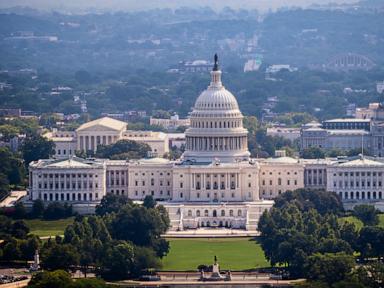
House lawmakers returned to Washington with yet another stopgap funding bill waiting for them, and federal agencies are once again bracing for a manufactured crisis that has become the default operating system of the American government. The recurring cycle of short-term spending extensions, known as continuing resolutions, is not a sign of legislative compromise. It is a symptom of systemic institutional decay. When representatives walk back onto the floor under the shadow of an impending fiscal cliff, they are not engaging in the constitutional duty of budgeting. They are participating in an annual ritual of kicking the can down the road, ensuring that governance remains perpetually provisional.
The mechanics of this dysfunction are entirely transparent to anyone who watches the Capitol from up close. Writing twelve distinct appropriations bills through the traditional committee process requires discipline, time, and a willingness to accept political losses. Modern congressional leadership has largely abandoned that discipline. Instead of hashing out spending priorities through regular order, lawmakers wait until the final hours before a statutory deadline. Then, leadership introduces a massive stopgap measure that forces a binary choice between keeping the government operational or plunging federal agencies into chaos.
This approach shifts power away from rank-and-file lawmakers and concentrates it in the hands of a few party leaders negotiating behind closed doors. The stopgap bill currently facing the House aims to push the federal funding deadline into December. By punting the hard choices past the legislative horizon, members protect themselves from taking tough votes ahead of the upcoming electoral cycle. Yet this tactical convenience carries a massive strategic cost. Federal agencies operate in a state of chronic uncertainty. Program managers cannot launch multi-year initiatives, defense contractors cannot plan long-term procurement, and administrative personnel spend months preparing for shutdown contingencies instead of executing their core missions.
Consider a hypothetical mid-level administrator at a federal scientific agency. Under a continuous string of stopgap measures, this director is legally barred from initiating any new programs or entering into long-term contracts because funding is frozen at previous year levels. Hiring freezes take effect. Morale plummets. Private sector talent refuses to enter government service because the threat of a furlough hangs over every fiscal quarter. Multiply this administrative paralysis across every department from the Department of Defense to the Food and Drug Administration, and the true cost of congressional inaction comes into sharp focus.
The political theater surrounding these short-term fixes relies on a familiar script. One party blames the other for manufacturing brinkmanship, while both sides quietly agree to another temporary patch rather than risk the electoral fallout of an actual government shutdown. The public is treated to endless statements about fiscal responsibility, followed immediately by a vote to extend current spending levels without structural reforms. This pattern rewards obstruction and penalizes institutional competence.
Proposals to fix the underlying rot do exist, though they rarely gain traction among entrenched leadership. Some reformers advocate for automatic continuing resolutions that would kick in if regular appropriations fail, removing the weaponized threat of a shutdown entirely. Critics of automatic funding argue that it removes the necessary pressure to force a compromise, turning temporary stopgaps into permanent policy by default. Meanwhile, constitutional scholars point out that automatic spending provisions for military operations can collide directly with the appropriations limits written into Article I of the Constitution. Every proposed technical fix seems to trigger a new constitutional or political obstacle.
The reluctance to fix the budget process stems from a simple reality. Crisis management is useful cover for legislative inaction. When lawmakers spend their time arguing over whether the government will keep the lights on next week, they do not have to answer why they have failed to pass a comprehensive budget in years. The stopgap bill will likely pass because the alternative is politically toxic. The machinery of state will stumble forward for another few months, sustained by temporary duct tape and administrative exhaustion. Until Congress reclaims its constitutional responsibility to fund the government through transparent, orderly means, Washington will remain trapped in this endless loop of managed emergencies.


