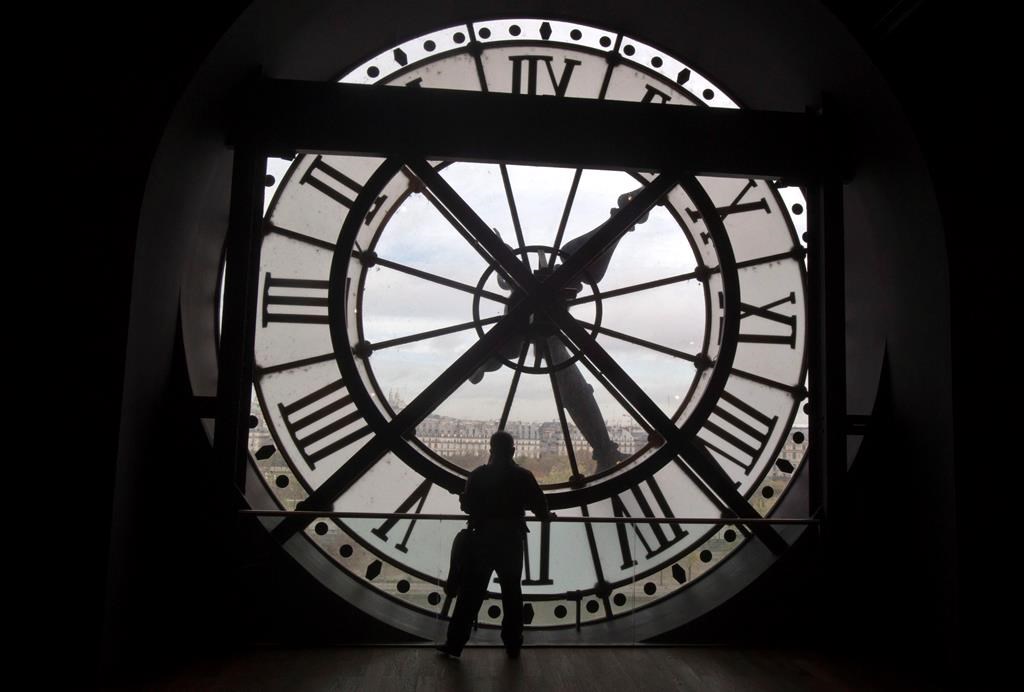
We change our clocks twice a year, and almost everyone hates it. Moving them forward in March steals our sleep. Slipping them back in November plunges our evenings into sudden darkness. Every time the clock shifts, Americans ask the same question. Why are we still doing this?
A bipartisan group of lawmakers wants to end the ritual once and for all. The Sunshine Protection Act aims to make daylight saving time permanent across the United States. No more springing forward. No more falling back. The U.S. House of Representatives recently revived the bill, sparking fresh hope for a nation tired of adjusting its microwaves and biological clocks.
But don't sell your alarm clock just yet. While the idea sounds like an easy win, the legislative reality is incredibly messy. Congress has tried this before. They even passed it once in the 1970s, and it failed spectacularly.
The Current Battle in the House
Lawmakers are pushing the permanent daylight saving time bill back into the spotlight because public frustration never truly dies. The Sunshine Protection Act, spearheaded by Senator Marco Rubio in the Senate and backed by various House representatives, wants to lock the clock. If passed, we'd stay on later sunset hours year-round.
The Senate actually passed this bill by unanimous consent a few years ago. It caught everyone off guard. But then it hit a brick wall in the House. Why? Because while people agree that changing the clocks is awful, they can't agree on which time to keep.
Some states aren't waiting around. Florida, California, and dozens of others have passed state-level legislation or resolutions to stick with daylight saving time permanently. Here's the catch. They can't actually implement it without federal approval. Under the Uniform Time Act of 1966, states can opt out of daylight saving time and stay on standard time permanently, just like Arizona and Hawaii do. However, states do not have the legal authority to choose permanent daylight saving time on their own. Congress has to give the green light.
Why Sleep Experts Hate Permanent Daylight Saving Time
Most people think more evening light is a pure win. You get home from work, the sun is shining, and you can grill in the backyard or take the kids to the park. It sounds great.
Sleep scientists view this scenario differently. Organizations like the American Academy of Sleep Medicine strongly oppose permanent daylight saving time. They argue that standard time aligns much better with natural human biology.
$$Biological\ Alignment = Solar\ Noon \approx Body\ Clock\ Noon$$
Our internal circadian rhythms rely heavily on the sun. When the sun rises, light hits our eyes and signals our brain to stop producing melatonin, the hormone that makes us sleepy. Under permanent daylight saving time, the sun rises an hour later.
In the winter, major cities would experience pitch-black mornings.
- New York City wouldn't see sunrise until nearly 8:30 AM in January.
- Seattle would face sunrises past 9:00 AM.
- Detroit, sitting on the western edge of the Eastern Time Zone, would see the sun come up around 9:15 AM.
Imagine waking up, getting dressed, and sending your kids to the school bus stop in total darkness. Sleep experts warn that chronic morning darkness disrupts our sleep-wake cycles, leading to long-term sleep deprivation, metabolic issues, and increased cardiovascular risks. They prefer permanent standard time, which puts the sun directly overhead at noon and brings brighter mornings.
The Disaster of 1974
We don't have to guess how permanent daylight saving time would play out because the U.S. already tried it.
In response to the 1973 OPEC oil embargo, President Richard Nixon signed a bill into law mandating a trial run of year-round daylight saving time to save energy. The experiment began in January 1974.
At first, the public loved the idea. Approval ratings for the bill floated around 79% before it took effect. People envisioned sunny winter afternoons.
The reality of January mornings changed their minds instantly. Parents grew terrified for their children's safety as kids stood on dark winter roads waiting for school buses. In Florida, several children were struck by cars in the morning darkness shortly after the switch.
Public approval plummeted from 79% to 42% in just three months. Congress realized they made a massive mistake. They quickly reversed the law in October 1974, cutting the two-year trial short. The nation went right back to changing the clocks twice a year.
The Economic Tug of War
If sleep experts and history oppose permanent daylight saving time, who is fighting for it? Follow the money.
The golf industry, convenience stores, and the outdoor recreation sector lobby heavily for more evening light. The Association of Convenience Stores long supported extending daylight saving time because people stop to buy gas and snacks on their way home when it's sunny outside. If it's dark, people just drive straight home.
The golf industry once estimated that an extra month of daylight saving time was worth hundreds of millions of dollars in additional green fees and equipment sales.
On the flip side, the airline industry generally prefers uniformity. Standardizing time zones across international flights is already a logistical nightmare. Changing the U.S. system adds wrinkles to global schedules. Agriculture is another mixed bag. Farmers historically opposed daylight saving time because their schedules are dictated by the sun, not a clock on the wall. A later sunrise means they have to wait longer for the morning dew to evaporate before they can harvest crops.
What Needs to Happen Next
The House reviving the bill means the conversation is alive, but don't expect immediate changes to your morning routine. The bill faces a steep climb through committee hearings and floor votes before it ever reaches the president's desk.
If you want to prepare for the reality of time zone debates, you can take a few practical steps right now.
- Track your own productivity and mood during the seasonal shifts to understand how light affects your body.
- Look into your state's current legislative stance on the Uniform Time Act to see if your local politicians lean toward standard or daylight time.
- Invest in a high-quality wake-up light alarm clock to ease the transition during the dark winter mornings, regardless of what Washington decides.