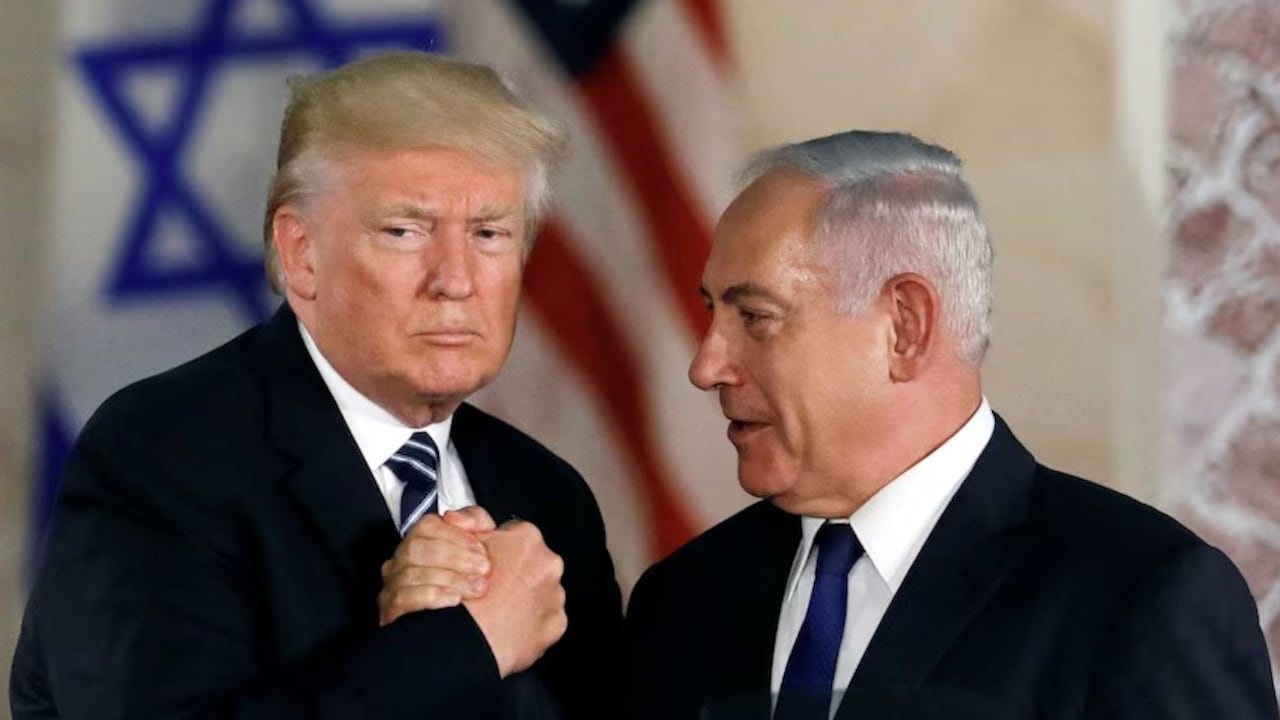
Reports that Israel had planned to bomb Iran in mid-October—and backed down after President Donald Trump pushed back—sound like a neat story of a president pumping the brakes. Honestly, that framing misses almost everything that actually happened.
It wasn't a sudden change of heart over peace. It was a collision of election calendars, battered military hardware, and oil markets already on edge eight months into a war that began in late February.
When I look closely at the reporting from late October and November, two things jump out right away. First, major strikes in mid-October would have landed right in the middle of high-stakes political seasons in both Jerusalem and Washington—with Israeli elections set for October 27 and U.S. midterms on November 3. Second, stopping one planned strike didn't end the danger; it just pushed the friction into November, where reports indicate Washington and Jerusalem are still trading pressure over fresh military action.
Why Mid-October Strikes Ran Into a Wall
If you read quick headlines, you might assume Trump simply decided to spare Iran. That doesn't square with a conflict that already saw U.S. and Israeli forces strike Iranian nuclear, missile, and leadership targets starting in February.
Several overlapping pressures crowded into mid-October:
- Election math in both capitals. Israeli Prime Minister Benjamin Netanyahu faced voters on October 27, while American midterm elections loomed on November 3. Launching a major escalation right before those votes carried obvious political risk for both leaders.
- Debate inside Israel over timing. According to reporting cited by the Jewish Institute for National Security of America (JINSA), Israel Defense Forces Chief of Staff Lt. Gen. Eyal Zamir told a private meeting that Israel did not see indications of a need to strike Iran right before the election. Meanwhile, Netanyahu later pushed back against reports of an October plan blocked by Trump, calling them incorrect.
- Fears of hitting civilian infrastructure and triggering worse retaliation. Reports around the mid-October window noted that planned targets included civilian infrastructure—a move that risked severe economic blowback, wider regional attacks, and even sharper spikes in energy prices.
Notice how messy the picture is. Even when officials brief reporters on a canceled or delayed strike, denials and counter-narratives follow almost immediately. In fast-moving wartime reporting, you shouldn't treat a single anonymous leak as gospel without checking what happened two weeks later.
The Strait of Hormuz and the Diesel Shock
You can't separate strike decisions from what's happening at sea and at the pump. Since the war erupted, disruptions around the Strait of Hormuz have rattled global trade, pushed up shipping risks, and sent diesel and crude prices swinging wildly.
Look at how fast prices reacted in late October: Brent crude climbed above $117 a barrel on October 23 amid fears of renewed strikes on Iran, after hitting around $112 a barrel a day earlier following Houthi attacks tied to the wider regional conflict. By mid-November, the International Energy Agency (IEA) noted that global oil supply had returned to a tentative surplus in October—with OPEC+ crude output reaching roughly 41 million barrels a day—yet Brent still hovered around $92 to $93 a barrel on November 19 as traders worried about new strikes and ongoing Hormuz attacks.
For everyday drivers and businesses, that volatility isn't abstract. Higher diesel costs ripple straight into freight, groceries, and manufacturing. Trump himself acknowledged public frustration over elevated diesel prices, calling them a small price compared to keeping Iran from getting a nuclear weapon, even as voters and lawmakers argued over the economic toll.
What Changed Between October and Late November
Anyone who thinks October settled the matter hasn't been watching November. By November 19, reporting from Israel's Channel 12 and outlets like Anadolu indicated that Trump had repeatedly held back from strikes over recent weeks while still weighing fresh military options—even as Netanyahu and Israeli officials pressed for stronger action over concerns that Iran is rebuilding missile, drone, or chemical and biological capabilities.
At the same time, Washington's messaging hasn't moved in a straight line. Some administration figures have argued that severe economic pressure on Tehran already weakens the regime without needing a new wave of strikes, while Trump has kept threats of military force on the table and warned on November 19 about indications regarding chemical or biological weapons. Meanwhile, Iran's leadership has insisted it is ready for either diplomacy or further confrontation, and regional states—including Gulf neighbors—have urged restraint to avoid wider fallout.
That tension explains why markets jump every time a new report drops. A pause in October wasn't a peace treaty. It was a temporary hold in an ongoing tug-of-war.
Common Myths Worth Dropping Fast
When war headlines pile up, bad assumptions spread fast. Here are three myths I see people repeat way too often:
- "One canceled strike means escalation is off the table." False. Reports from mid-November show strike debates and military readiness drills are still active, with oil prices rebounding whenever fresh strike talk surfaces.
- "Oil prices only move when missiles fly." Not quite. Tanker attacks, naval blockades, reserve releases, OPEC+ production shifts, and broader demand trends all tug on crude and diesel at once.
- "Every leak about a blocked attack tells the whole story." Officials routinely spin, deny, or downplay plans depending on domestic politics and deterrence goals. Treat early reports as a starting clue, not the final word.
Practical Ways to Track This Without Losing Your Mind
If you follow Middle East security or trade in energy-sensitive sectors, you don't need to doomscroll every rumor. Focus on signals that actually move policy and markets:
- Watch official briefings alongside denials. Compare initial reports from outlets like NPR, Reuters, or Israeli media against formal statements from Jerusalem, the White House, and CENTCOM.
- Track Strait of Hormuz incidents and Brent/diesel spreads. Real shipping disruptions and refinery bottlenecks show up in physical supply and fuel prices faster than cable-news punditry.
- Check independent conflict trackers and energy agencies. Sources like the Council on Foreign Relations (CFR) Global Conflict Tracker and IEA market reports give clearer context than sensationalized social posts.
- Review fuel and supply-chain buffers early. If your household budget or business relies heavily on diesel, freight, or imported goods, plan around price swings before another headline spike hits.
Israel Had Planned To Bomb Iran In October, Stopped Because Of Trump: Report covers the mid-October reporting on the planned strike and Trump's intervention, giving you a quick video overview of how that specific claim entered the news cycle.