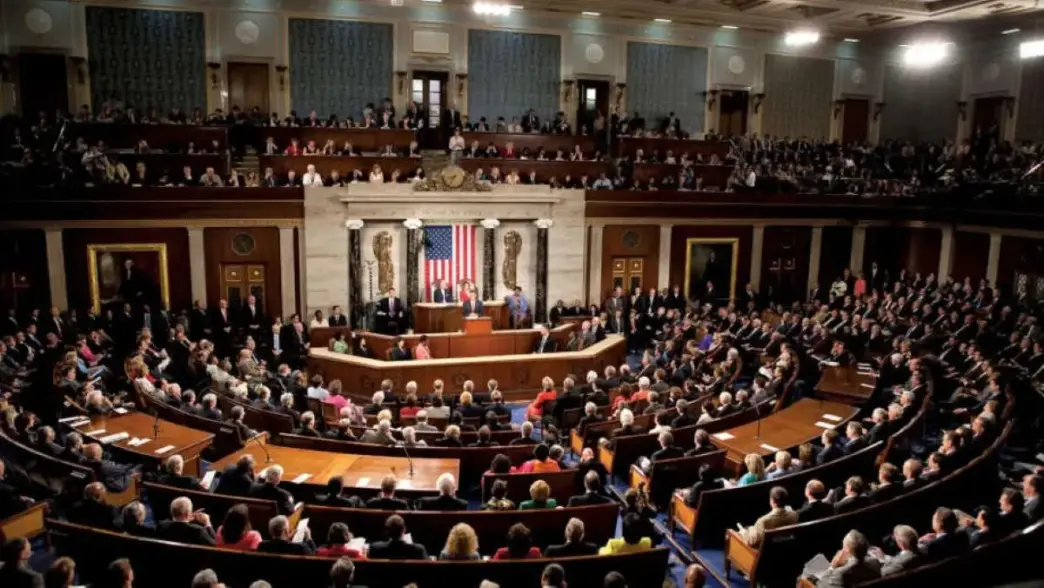
Voters walked into polling booths on November 3, 2026, expecting a referendum on affordability, inflation, and Washington gridlock. Instead, they handed out a stack of precedent-shattering wins that rewrote the political map from coast to coast.
A quick recap of the 2026 midterm elections shows Democrats reclaiming control of both the House and the Senate while flipping multiple key governorships. Yet if you only count party flips or congressional seat tallies, you're missing the deeper story. Candidates broke barriers at the national and state levels that pundits spent years calling unlikely.
Honestly, treating these wins like a neat checklist of "firsts" flattens how messy and hard-fought these campaigns actually were. Several barrier-breakers were outspent, attacked over their identities, or written off early in the cycle. Voters didn't hand them offices by accident; they backed candidates who spoke directly to kitchen-table strain, infrastructure headaches, and representation.
Why Historic Firsts in the 2026 Midterm Elections Changed More Than Representation
Whenever an election produces a long list of first-time winners, commentators tend to split into two camps. One side calls it a total cultural transformation overnight. The other shrugs and says turnout or anti-incumbent anger explains everything.
Both sides are only half right. According to analysis from the Harvard Ash Center, voters elected the nation's first Black woman governor, first Native American woman governor, first Muslim U.S. senator, and first openly gay male senator in 2026. At the same time, turnout surges and voter frustration with incumbent leadership shaped the broader wave.
When you look closely at individual races, identity and policy weren't separate tracks. In Georgia, former Atlanta Mayor Keisha Lance Bottoms defeated Republican billionaire Rick Jackson to become the first Black woman elected governor of a U.S. state—and Georgia's first Black governor and first woman governor. She had faced tough scrutiny over her single term as mayor from 2018 to 2022, yet she leaned into a sharp pitch against the Trump administration and won despite being heavily outspent.
In New Mexico, former Interior Secretary Deb Haaland, a citizen of Laguna Pueblo, won the governorship to become the nation's first Native American woman governor. Her campaign built on a straightforward promise to put working families first across a state where Indigenous and Hispanic communities have long shaped civic life.
Meanwhile, Minnesota Lt. Gov. Peggy Flanagan, a citizen of the White Earth Band of Ojibwe, won her U.S. Senate race against Republican Michele Tafoya to become the first Native American woman elected to the U.S. Senate. Having two Native women break major executive and legislative ceilings in the exact same election cycle isn't a trivia footnote. It shows a deeper bench of state-level leaders moving up into top offices.
Governors Mansions Where Long Streaks Ended
Governors' races often tell you more about durable state shifts than single Senate contests because executives run statewide coalitions over four years. In 2026, several governorships broke streaks stretching back decades.
Texas delivered the biggest shock. Democratic state representative Gina Hinojosa unseated three-term Republican Gov. Greg Abbott, becoming Texas's first Latina governor and the first Democrat to win the Texas governor's office since Ann Richards in 1990. Abbott was also the first sitting Texas governor to lose reelection since Richards lost to George W. Bush in 1994.
How does a long-shot challenger topple an entrenched three-term governor in Texas? Early on, Hinojosa barely registered outside Central Texas and faced massive fundraising disadvantages. She gained traction by hammering affordability and calling for a moratorium and tighter guardrails on massive data centers straining local water and electricity supplies—a surprisingly potent local issue that caught Abbott off guard.
In California, former Attorney General Xavier Becerra won the governorship over Republican challenger Steve Hilton, becoming California's first elected Latino governor since Romualdo Pacheco in 1875. In a state where Latino residents make up more than 40% of the population, that milestone felt long overdue to many voters, even in a Democratic-leaning state.
Other state executives broke long-standing barriers across party lines:
- Florida: Republican U.S. Rep. Byron Donalds won the race to succeed term-limited Gov. Ron DeSantis, becoming Florida's first Black governor while keeping affordability front and center.
- Ohio: Amy Acton won the gubernatorial race to become Ohio's first woman elected governor.
- Tennessee: Republican Sen. Marsha Blackburn defeated Memphis city councilwoman Jerri Green to become Tennessee's first woman governor.
- Nevada and Wisconsin: Aaron Ford won in Nevada as the state's first Black governor, and David Crowley won in Wisconsin as its first Black governor.
Notice what stands out here. Firsts in 2026 weren't exclusive to one party or one region. Both Democrats and Republicans elected historic candidates in states with very different political DNA.
Senate and House Milestones That Reshaped Washington
In the U.S. Senate, Democrats flipped control of the chamber, and several incoming senators brought lived experiences that haven't been represented in the upper chamber before.
Abdul El-Sayed defeated Republican Mike Rogers in Michigan to become the first Muslim elected to the U.S. Senate. Throughout a bruising contest, his background drew repeated attacks from opponents, yet he held the seat and opened a new chapter for Michigan and the Senate.
In New Hampshire, Democratic Rep. Chris Pappas defeated Republican John E. Sununu to become the first openly gay man elected to the U.S. Senate. Pappas didn't campaign on making history as a slogan. Instead, he pointed out that voters focused on his record rather than making his sexual orientation the central debate of the race.
Disability representation also moved forward in Iowa. Former Paralympian and state lawmaker Josh Turek defeated Republican Rep. Ashley Hinson to flip a Senate seat and become the first U.S. senator with spina bifida, building on his earlier barrier-breaking run in the Iowa legislature.
Further south, in Mississippi, Democratic district attorney Scott Colom narrowly defeated incumbent Republican Sen. Cindy Hyde-Smith—the same senator who had blocked his federal judicial nomination in 2023—to become Mississippi's first Black U.S. senator since Reconstruction and its first elected Democratic senator since 1982. Meanwhile, in Illinois, Lt. Gov. Juliana Stratton won her Senate race to succeed retiring Sen. Dick Durbin; alongside Sen. Tammy Duckworth, Illinois will have two women of color representing the state in the Senate at the same time.
Down-ballot in the House and state-level Senate races, voters added even more firsts:
- Claire Valdez in New York became the state's first Native American congresswoman.
- Melat Kiros in Colorado became the first Gen Z woman elected to Congress.
- Adam Hamawy in New Jersey became the state's first Muslim member of Congress.
- Jeremy Moss in Michigan became the state's first openly gay man elected to Congress.
- Denise Powell in Nebraska became the state's first Hispanic member of Congress.
- In South Carolina, Democrat Annie Andrews became the first woman elected to the U.S. Senate from the state, while in Louisiana, Republican Julia Letlow became the first Republican woman elected to the U.S. Senate from Louisiana.
What Actually Drove Voters in 2026
If you've watched enough election cycles, you know a tempting trap: assuming voters turn out purely for symbolic milestones. They don't. Symbols matter, especially when communities haven't seen themselves in power, but voters usually pull the lever over tangible pressures first.
Data analyzed by researchers at NORC and CIRCLE after the 2026 cycle showed a massive 34-point shift toward Democratic House candidates among voters ages 18 to 29 compared to 2024—reaching 73% in polling data. Crucially, that jump came mostly from bringing non-voters from 2024 into the electorate rather than persuading huge numbers of young Trump voters to switch sides. About a third of young Democratic House voters in 2026 hadn't voted in 2024, while roughly a third of young 2024 Trump voters stayed home.
That's a huge takeaway for anyone studying modern elections. Turnout gaps and enthusiasm decide close maps far more often than sudden ideological conversions.
Across the country, candidates who paired relatable backgrounds with concrete economic or local fixes did best. Some emphasized cost-of-living relief and property or energy burdens. Others focused on healthcare access, childcare costs, or pushing back against federal overreach. And let's be honest: voter fatigue with incumbents and high-profile national controversies played a real role too.
There are real caveats to keep in mind as final counts and post-election analyses settle. Early post-election numbers and quick tallies shift as late mail or provisional ballots get processed, and polling subgroups always carry margins of error. Still, the broad direction of the 2026 map is unmistakable.
Common Myths About Barrier-Breaking Candidates
A few clichés pop up every time a cycle produces historic wins. Let's clear them up.
- "Historic candidates only win in safe blue districts." Not true. Several of the biggest firsts in 2026 happened in battlegrounds or states long tilted Republican, including Texas, Mississippi, Iowa, Georgia, and Florida.
- "Running a historic candidate guarantees victory." Wrong again. Candidates of color, women, and LGBTQ+ candidates lose tough races every cycle when message, timing, or local conditions don't click. Winning takes coalition building, fundraising grit, and a compelling reason for swing and low-turnout voters to show up.
- "Once a barrier breaks, the work is finished." Getting elected is step one. Governing—delivering on affordability, infrastructure, or public trust—determines whether voters stick around in 2028 and beyond.
How to Track What Happens Next on the Map
Election night is loud, and then the real work starts in state capitals and committee rooms. If you want to follow how these historic wins translate into actual policy rather than headlines, start with three practical steps:
- Check official state election portals and nonpartisan trackers like Ballotpedia for certified results, final margins, and upcoming special elections or runoffs.
- Watch early legislative and executive priorities over the first 100 days in states like Texas, Georgia, New Mexico, Minnesota, and Michigan, where new governors and senators face immediate budget, utility, and affordability tests.
- Look beyond federal headlines to local and statehouse shifts, since state legislatures and governors draw lines, fund schools, and shape the candidate pipeline for the next decade.
The political map didn't just shift in 2026—it widened. What these newly elected leaders do with that mandate will decide whether this wave becomes a lasting realignment or a one-cycle shockwave.
Chris Pappas Makes History As First Openly Gay Man Elected To US Senate
This video highlights Chris Pappas's historic Senate win in New Hampshire and captures the immediate post-election milestone that reshaped the U.S. Senate in 2026.