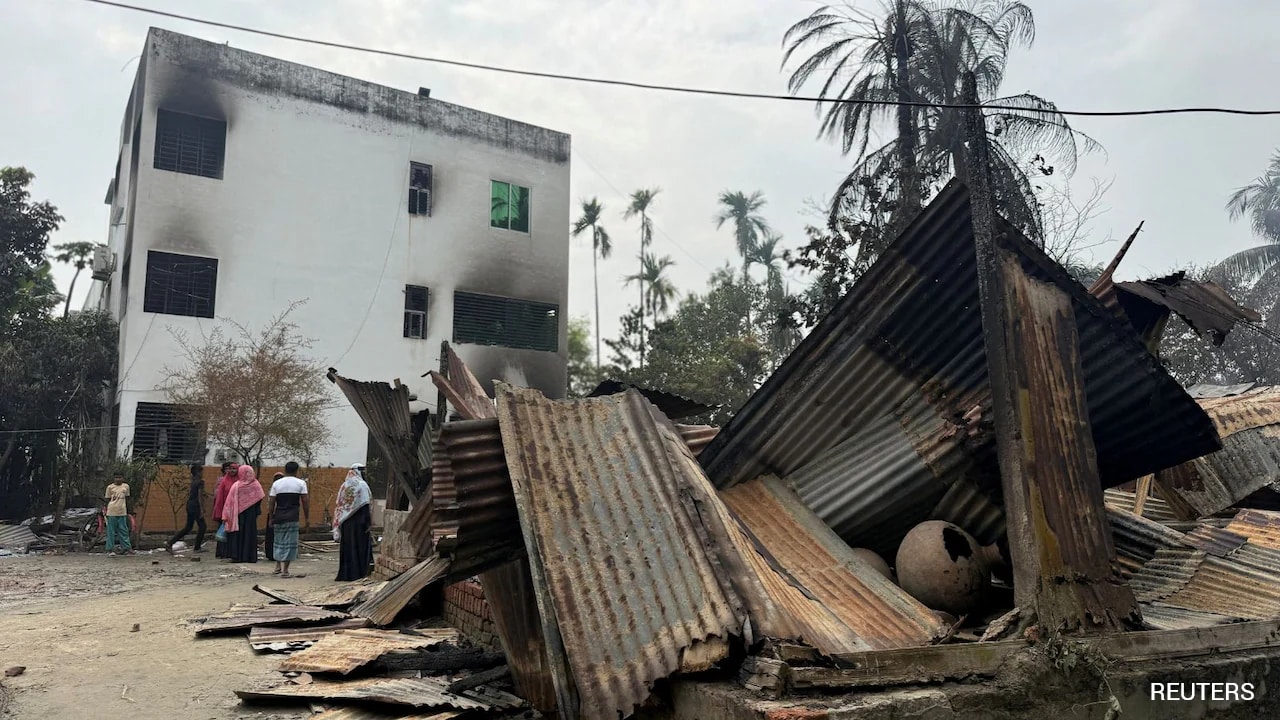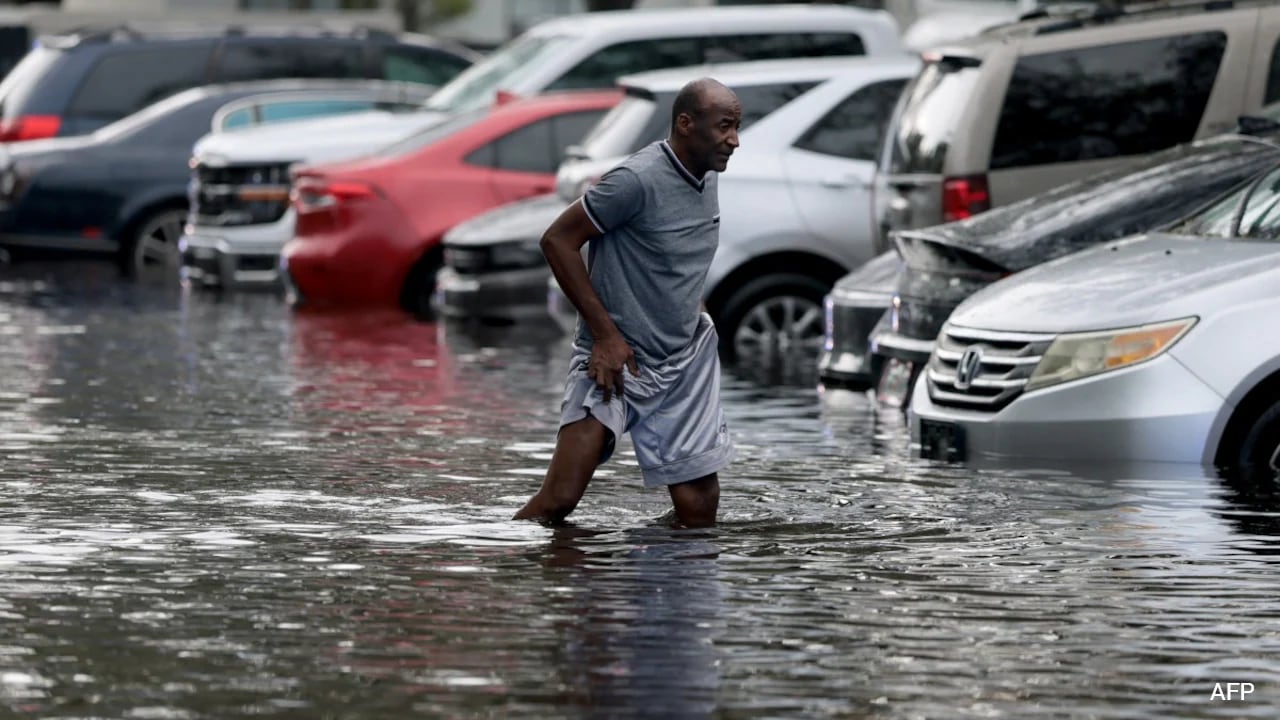
Heavy rain in South Florida doesn't just make your morning commute miserable. It exposes every weak link in aging roofs, clogged drainage systems, and low-lying asphalt across Miami-Dade, Broward, and Palm Beach counties. When a sudden torrential downpour triggers flooded roads and causes structural failures like a collapsed synagogue roof in South Florida, most residents blame a freak storm.
They're wrong.
The storm is just the trigger. The real culprit is a predictable collision between extreme subtropical rainfall rates, flat-roof water ponding, and drainage infrastructure pushed past its design limits. If you own property, manage a community building, or simply drive through South Florida during wet season, treating these events as random bad luck will cost you.
Why Flat Roofs Fail During South Florida Downpours
Commercial buildings, older houses of worship, and mid-century strip malls across South Florida rely heavily on flat or low-slope roofs. In theory, they're cost-effective and handle hurricane wind uplift well when properly anchored. In practice, they turn into giant swimming pools the second a drain clogs.
Water is heavy. A single inch of standing water across a 10,000-square-foot roof adds roughly 52,000 pounds of dead weight. Now imagine a classic South Florida cloudburst dumping four or five inches of rain in two hours while palm fronds, iguanas, or windblown trash block the primary scuppers.
That's how you get catastrophic structural failure.
Roof trusses and steel bar joists aren't engineered to hold tens of thousands of gallons of stagnant water. Once a flat roof begins to deflect under the weight, it creates a bowl effect—a phenomenon structural engineers call ponding instability. More water flows toward the lowest sagging point, making the sag deeper, pulling more water in, until a beam snaps or a deck gives way.
The Warning Signs Building Managers Ignore
You rarely get a roof collapse without days or weeks of subtle warnings that nobody bothered to check. Based on standard post-storm structural assessments from organizations like the Insurance Institute for Business & Home Safety, flat-roof failures almost always trace back to deferred maintenance rather than pure rainfall volume.
Look at what happens on a typical older community building or synagogue before a heavy rain event:
- Blocked secondary overflow drains. Building codes require secondary drains or wall scuppers set a few inches higher than primary drains, yet roofers frequently tar over them or leave them choked with debris.
- Unchecked HVAC condensation and previous minor leaks. Waterlogged insulation loses its structural rigidity and adds permanent weight before a single raindrop falls.
- Aging wood or steel decking. High humidity and salt air corrode metal fasteners and rot plywood sheathing from the underside where nobody looks.
If you hear ceiling tiles popping, notice doors suddenly sticking after a rainstorm, or see fresh brown rings spreading across acoustic panels, get people out of the building immediately. Don't wait for a contractor to show up tomorrow.
What Actually Causes Instant Road Flooding in South Florida
People love complaining about local public works departments whenever streets turn into canals. Sometimes that criticism is fair. Often, it ignores basic hydrology.
South Florida sits barely above sea level on porous limestone bedrock. Beneath that thin layer of soil and asphalt lies the Biscayne Aquifer, which sits only a few feet underground—and rises even closer to the surface during summer and autumn rainy months.
When the water table is already high, the ground acts like a soaked kitchen sponge. It can't absorb another drop. Every gallon of rain falling on roofs, parking lots, and highways has nowhere to go except into storm drains designed to discharge into canals and Biscayne Bay or the Intracoastal Waterway.
The King Tide Trap
Here's the part that catches drivers off guard. Gravity drains only work when the water at the outlet is lower than the water in the street.
During high tide—especially seasonal King Tides—coastal water levels push backward up into stormwater outfalls. Even if your neighborhood pumps are running at full blast, a combination of heavy rain and high tide locks water inside the streets for hours. You can have clear skies by noon and still find three feet of brackish water sitting over an intersection at 2:00 PM.
The Biggest Mistakes Drivers Make on Flooded South Florida Roads
Every time heavy rain hits Broward or Miami-Dade, local news broadcasts the exact same footage: luxury sedans floating like bathtub toys in underpasses and intersections. It's completely avoidable.
Misjudging Water Depth
Water looks shallow until your front bumper pushes a wake over your hood. Modern cars have air intakes mounted low behind the front grille to pull in cooler air for better fuel efficiency. The moment water enters that intake, it reaches the cylinders. Water doesn't compress. Your connecting rods bend, your engine block cracks, and your car is totaled in half a second—a mechanical death known as hydrolock.
Six inches of water will reach the bottom of most passenger cars and can cause loss of control. Twelve inches will float many vehicles. Two feet of rushing water will carry away heavy SUVs and pickup trucks.
Driving Through Salt-Brackish Runoff
Even if your truck clears a flooded street without stalling, you're not off the hook. Floodwater near the South Florida coast isn't pure rainwater. It's a toxic cocktail of saltwater, motor oil, lawn chemicals, and raw sewage from overwhelmed lift stations.
Forcing that mixture into your wheel bearings, differential vents, and undercarriage wiring harnesses guarantees electrical gremlins and severe corrosion six months down the road. Turn around. Find higher ground. Losing twenty minutes on your commute beats losing a $45,000 vehicle.
How Property Owners and Boards Should Prepare Right Now
Whether you own a single-family home in Coral Gables or sit on the facilities board for a local synagogue, church, or condo association, waiting for a weather advisory is already too late. By the time the National Weather Service Miami issues a Flash Flood Warning, roofing contractors are booked solid and storm drains are already submerged.
Take these concrete steps before the next heavy rain band rolls off the Atlantic or the Everglades:
- Clear every roof drain and scupper monthly. Don't just look from the ground. Put someone on the roof with a camera, photograph every primary drain and emergency overflow scupper, and verify water flows freely down the leader pipes.
- Audit your flat roof after every major storm. Walk the membrane 24 hours after heavy rain stops. Any puddle still standing after 48 hours indicates structural deflection or clogged drainage that requires immediate leveling or tapered insulation.
- Check your commercial and homeowners flood exclusions. Standard property policies cover wind-driven rain only if wind first creates an opening in the roof or walls. If a flat roof collapses solely from the weight of ponding rainwater without wind damage, insurers frequently fight the claim unless you carry specific endorsement coverage for weight of ice, snow, sleet, or rain.
- Install water-level alarms in vulnerable ceiling cavities. Simple battery-powered moisture sensors placed near roof drains and parapet walls cost less than $30 and alert building managers before water saturates drywall or compromises structural framing.
- Map high-ground parking before storm season peaks. Identify multi-story garages or elevated lots within walking distance of your home or building so you aren't scrambling when street flooding blocks low-lying driveways.
South Florida's weather isn't getting gentler, and our aging drainage and roofing stock isn't fixing itself. Inspect your drains, respect standing water on the road, and treat every flat roof like a structure that needs active maintenance to survive the next downpour.