When Gisèle Pelicot walked into a French courtroom in Avignon and waived her right to anonymity, she shattered a centuries-old silence around domestic sexual violence. Her husband of five decades, Dominique Pelicot, wasn't just a quiet retiree living in a picturesque Provence town. He was the orchestrator of a decade-long campaign of chemical submission, drugging his wife into unconsciousness and inviting dozens of strangers to rape her while he filmed the assaults.
People immediately reach for words like "monster" or "double life" to describe men like Dominique Pelicot. Honestly, that framing is part of the problem. Calling someone a monster lets society off the hook by treating extreme sexual violence as a freak anomaly rather than the predictable outcome of deep-seated entitlement, digital anonymity, and massive blind spots in our medical and legal systems.
Why the Monster Narrative Protects Predators
If you look at the news coverage surrounding the Pelicot trial—and similar cases globally—the dominant trope is the Jekyll-and-Hyde persona. Neighbors described Dominique Pelicot as polite, helpful, and devoted to his wife. Prosecutors noted he showed zero signs of traditional psychopathy during initial psychiatric evaluations, though experts pointed out a severe narcissistic personality structure and a complete lack of empathy.
Here's the uncomfortable truth. Predators rarely look like villains in horror movies. They look like reliable neighbors, loving fathers, and attentive husbands.
When media outlets rely on the "double life" cliché, they unintentionally reinforce a dangerous myth that you can spot a dangerous man by his outward behavior. You can't. Research from organizations like the Rape, Abuse & Incest National Network (RAINN) consistently shows that the vast majority of sexual assaults are committed by someone the victim knows, trusts, and often shares a bed with. By labeling perpetrators as incomprehensible monsters, we ignore the very real, observable patterns of coercive control and digital grooming that make these crimes possible.
How Chemical Submission Works in Domestic Settings
Drug-facilitated sexual assault (DFSA) usually conjures images of spiked drinks at crowded bars or nightclubs. That's a massive misconception. Clinical toxicologists and forensic experts have warned for years that a significant portion of chemical submission happens inside private homes, administered by intimate partners or family members.
In the Pelicot case, Dominique crushed sleeping pills and anti-anxiety medications—specifically lorazepam and zolpidem—into his wife's food and drinks, including her evening wine and ice cream. Because he dosed her regularly over ten years, Gisèle didn't just wake up groggy. She suffered catastrophic physical and neurological deterioration.
The Medical Blind Spots Victims Face
For years, Gisèle Pelicot visited doctors trying to figure out why she was losing her hair, dropping weight rapidly, and experiencing severe memory blackouts. Specialists suspected early-onset Alzheimer's disease or brain tumors. Not a single doctor ordered a comprehensive toxicology screen.
Why? Because physicians rarely look for intentional poisoning when a middle-aged or older woman presents with cognitive decline alongside a seemingly caring husband sitting right next to her in the exam room.
- Rapid tolerance and withdrawal: Benzodiazepines and Z-drugs leave the bloodstream relatively quickly, often within 24 to 48 hours, making standard blood tests useless unless taken immediately after dosing.
- Hair follicle testing: While hair analysis can detect months of chronic drugging, it's expensive, rarely covered by standard health insurance, and almost never requested unless law enforcement is already involved.
- Gaslighting and confusion: Chronic sedative exposure mimics dementia, chronic fatigue syndrome, and severe depression, leaving victims completely dependent on the very person poisoning them.
If you or someone you know experiences unexplained blackouts, sudden memory gaps, or severe physical symptoms that don't match standard diagnostic tests, insist on an independent medical evaluation without a partner present. Request a hair strand toxicology test through a private laboratory if standard blood panels come back clean.
The Role of Encrypted Forums and Digital Complicity
Dominique Pelicot didn't operate in a vacuum. He recruited more than 70 men through an online chatroom called à son insu—"without her knowledge"—hosted on the now-shuttered French website Coco.gg.
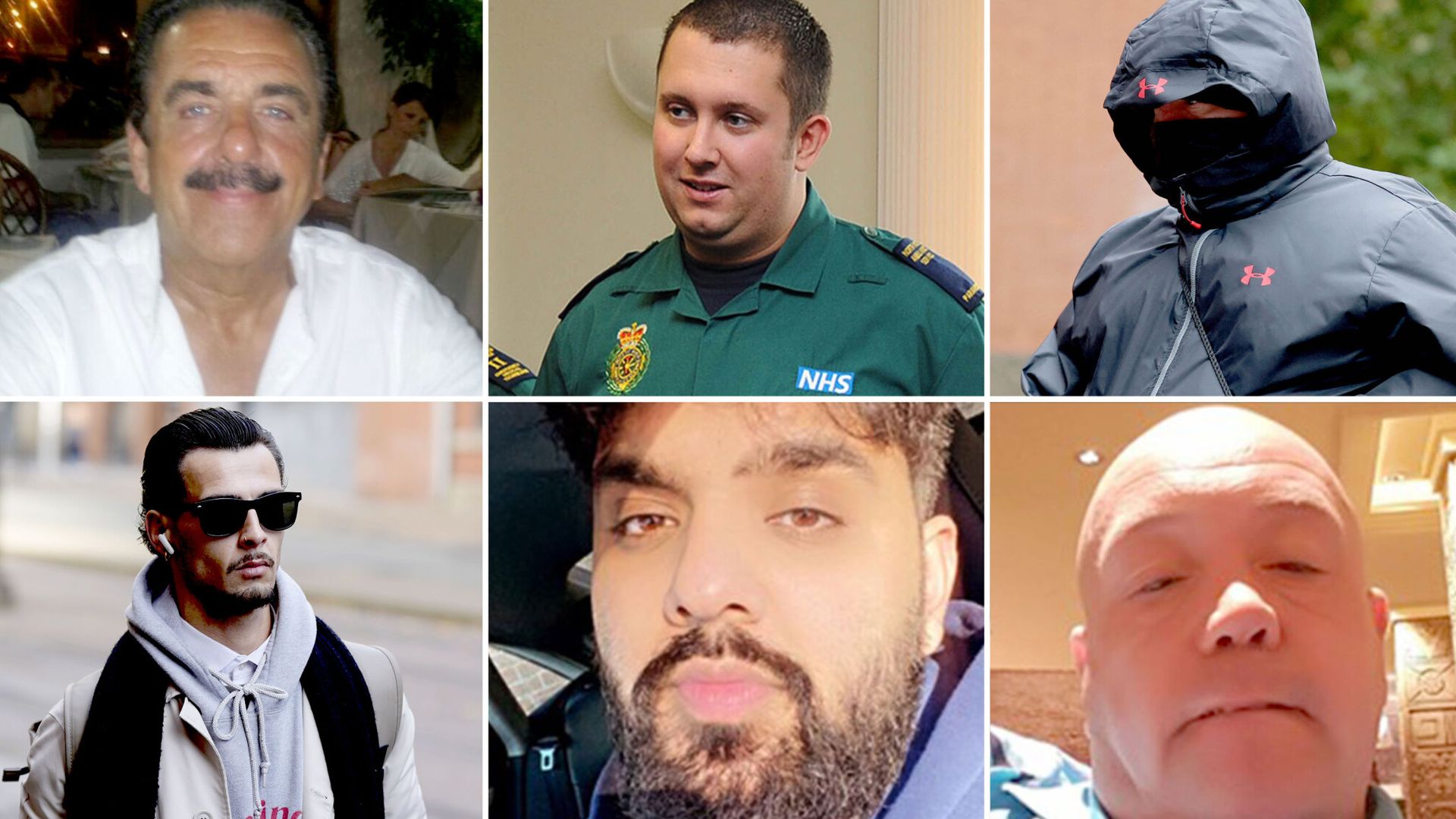
Think about that for a second. Dozens of ordinary men—firefighters, nurses, journalists, truck drivers, IT workers, and retirees aged 26 to 74—saw an invitation to rape an unconscious woman and drove to Mazan to do it.
Many of these co-defendants claimed in court that they didn't realize it was rape because her husband gave them permission. That defense exposes a terrifying cultural rot. These men viewed a married woman not as an autonomous human being, but as property whose husband could legally and morally transfer consent on her behalf.
Law enforcement agencies across Europe have struggled to police unmoderated messaging platforms and fringe forums where predators trade tactics, recommend specific pharmaceuticals, and share video evidence. Coco.gg operated for years despite being linked to thousands of criminal investigations involving child exploitation, drug trafficking, and violent assaults before French authorities finally shut it down in 2024. The platform wasn't a dark web mystery; it was sitting in plain sight on the open internet.
Legal Loopholes Around Marital Consent and Intoxication
Legal systems in many Western democracies have only recently caught up to the reality of marital rape and chemical submission. France didn't criminalize marital rape until 1990. Even today, several jurisdictions struggle with how to prosecute cases where the victim has zero memory of the assault.
In the Pelicot trial, the only reason prosecutors had airtight evidence was because Dominique meticulously cataloged over 20,000 photos and videos on a hard drive labeled "Abuses." Without those files, Gisèle would have faced an uphill battle proving she hadn't consented or that she wasn't simply experiencing medical episodes.
Where the Law Still Falls Short
- Burden of proof on incapacitated victims: In many US states and European nations, statutory definitions of rape still require proof of force, threat, or explicit non-consent, creating gray areas when a victim is unconscious and the spouse claims it was an agreed-upon kink or sleep-sex arrangement.
- Statutes of limitations: Chronic drugging often goes undetected for years. By the time a victim discovers the truth, legal deadlines for filing charges in certain jurisdictions may have already expired.
- Failure to report: Of the roughly 50 men identified and tried alongside Dominique Pelicot, none of them reported him to the police after leaving his house—not even the few who claimed they backed out once they realized Gisèle was completely unresponsive.
Recognizing Subtle Signs of Coercive Control and Drugging
You don't need to live in paranoia, but you do need to know what real domestic abuse looks like when it wears a polite mask. Coercive control rarely starts with physical violence. It starts with isolation, subtle manipulation, and the erosion of a partner's trust in their own reality.
Watch for partners who consistently prepare all food and drinks, especially evening beverages, and insist you finish them. Pay attention if someone aggressively manages your medical appointments, speaks over you to doctors, or pushes narratives that you're "losing your mind" or developing early dementia. Notice when a partner becomes hyper-protective of their devices, uses encrypted messaging apps with disappearing messages, or exhibits sudden, unexplained shifts in sleep schedules while you're heavily sedated.
Gisèle Pelicot famously stated during her testimony that "shame must change sides." She refused closed-door hearings so that the public would be forced to look at the faces of the men who destroyed her life—and so other victims wouldn't feel isolated in their trauma.
If you suspect chemical submission or covert abuse in your own life or someone else's, document your symptoms privately outside your shared home. Keep a dated log of blackouts, unexplained bruises, or sudden illnesses with a trusted friend or on a secure, unshared cloud account. Contact local domestic violence advocacy groups like the National Domestic Violence Hotline to build a safe exit and testing plan before confronting an abuser, because confrontation without an external safety net almost always escalates the danger.


