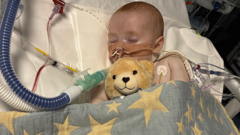
Imagine watching your infant's pulse monitor dip while a doctor turns to you and explains that the exact therapy required to save their life sits ready three floors up, but nobody can take them in because there isn't an open pediatric intensive care unit (PICU) bed.
It sounds like a nightmare scenario from a film. For hundreds of families facing critical infant illnesses each year, it's a stark reality. When a child has days to live, logistics shouldn't dictate survival. Healthcare systems globally are hitting a critical bottleneck in specialist pediatric care, and the human cost is unbearable.
The Reality Behind Pediatric Bed Shortages
Why are specialized pediatric beds so hard to secure when every second counts?
The problem rarely stems from physical space or a literal lack of metal bed frames. Instead, it comes down to specialized clinical staffing. High-dependency infant care requires pediatric intensive care nurses, specialized respiratory therapists, and specialized physicians who are trained specifically to handle neonates and infants in high-stress, rapid-decline scenarios.
When healthcare networks face staffing shortages, hospitals are forced to "cap" their available bed capacity. A 20-bed PICU might only have enough trained nurses on shift to safely monitor 12 patients. The remaining eight beds sit empty, completely unavailable to critically ill babies transferred from smaller regional emergency rooms.
Medical transfers also create severe delays. When an infant in a community hospital experiences sudden respiratory or cardiac failure, moving them requires a specialized pediatric transport team equipped as a mobile ICU. If that transport unit is already deployed hours away, the child stays parked in an emergency department poorly equipped for specialized neonatal support.
What Happens When Time Runs Out
Medical teams in smaller emergency departments do everything humanly possible to stabilize a critically ill child. They run continuous intravenous lines, manage ventilator settings, and administer high-stakes medications like epinephrine or dopamine drips.
A community hospital emergency room simply isn't a pediatric intensive care unit.
Infants have distinct physiology. Their airways are tiny, their fluid balance is delicate, and their clinical state can deteriorate in minutes rather than hours. Without specialized pediatric monitoring equipment and continuous expert management, maintaining stability over prolonged waiting periods is a massive gamble.
When a transfer delay drags from hours into days:
- Secondary organ stress increases: Prolonged hypoxia or inadequate blood pressure support can cause cascading organ failure.
- Intervention windows close: Certain urgent surgical procedures or advanced specialized therapies (like extracorporeal membrane oxygenation, or ECMO) must occur within tight timeframe windows to be effective.
- Families bear the emotional burden: Parents are left waiting in bright, noisy emergency bays, listening to continuous alarms while pleading for a transfer spot.
Navigating Emergency Pediatric Transfers
If you or someone you know ever faces a severe medical crisis with a child where transfer delays occur, staying passive isn't an option. You have rights, and there are concrete steps you can take to advocate effectively.
Demand Direct Hospital-to-Hospital Coordination
Emergency room doctors often rely on standard regional placement networks. If local networks are blocked, ask the attending physician to expand the search radius to university-affiliated pediatric teaching hospitals or out-of-state regional centers immediately.
Request Emergency Medical Rights Protections
In the United States, federal statutes like the Emergency Medical Treatment and Labor Act (EMTALA) require hospitals with specialized capabilities to accept transfers if they have the capacity to treat a stabilized emergency patient. Knowing that receiving facilities cannot decline patients based on insurance status helps keep the focus strictly on medical necessity.
Engage Hospital Social Work and Patient Advocates
Every major hospital system employs patient advocates and medical social workers. While doctors focus on keeping the patient stable, advocates can bypass standard administrative hurdles, contact hospital executives, and assist in coordinating non-traditional transfer logistics.
Document Every Conversation
Keep a clear log of timestamps, names, and specific reasons given for any transfer denial or delay. Having concrete details makes it much easier to push medical teams for answers or escalate concerns to hospital administration.
Systemic healthcare delays shouldn't determine whether a child gets a chance at recovery. By understanding how bed allocation works and pushing for immediate, widespread search efforts, families can advocate far more effectively when every second counts.