The pundits are already salivating over the "short war" scenario. They sit in air-conditioned studios in D.C. and London, sketching out a timeline where a two-week kinetic exchange leads to a tidy diplomatic resolution. They talk about "contained escalation" and "minimal market disruption."
They are dangerously wrong.
A two-week war between Iran and a Western-aligned coalition isn't a "blip" on the radar of global commerce. It is a fundamental shattering of the just-in-time logistics model that has propped up the West for decades. If you think a quick victory restores the status quo, you don’t understand how modern fragility works. In the world of high-stakes geopolitics and global trade, "quick" is often more expensive than "protracted."
The Myth of the Controlled Spike
The lazy consensus suggests that oil prices would jump to $120 or $150 a barrel, stay there for ten days, and then drift back to $75 once the "all clear" is sounded.
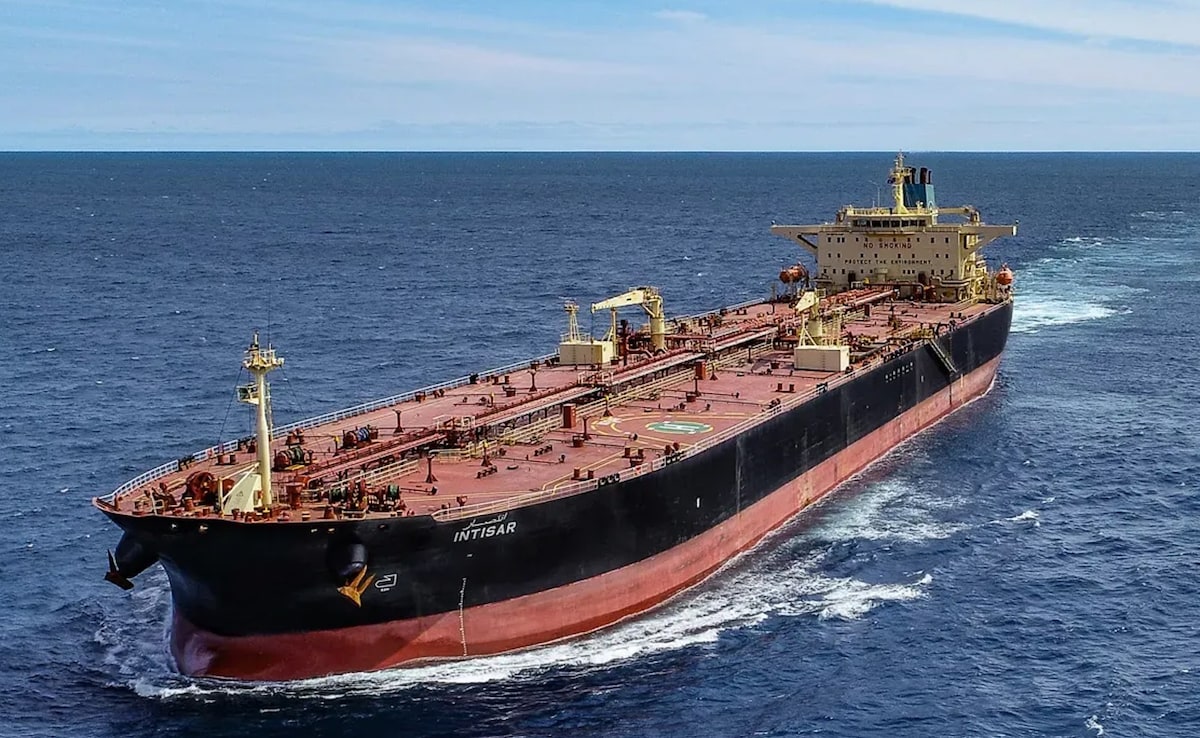
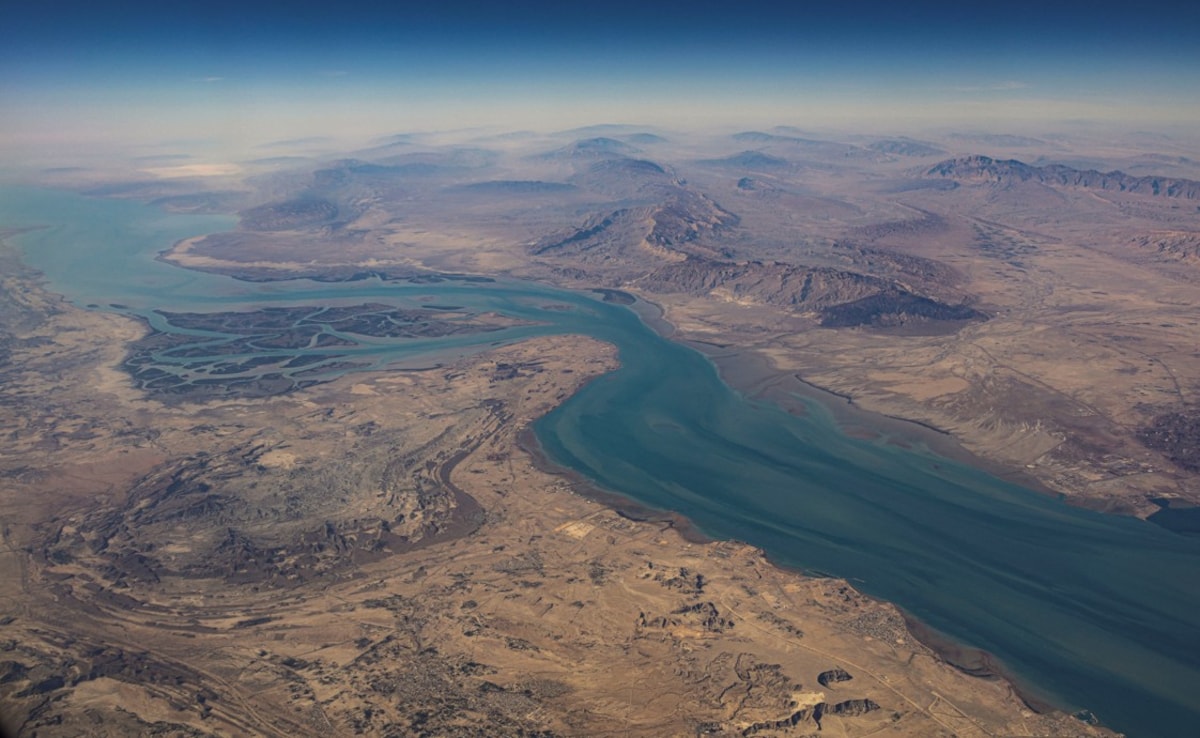
This ignores the physics of maritime insurance and the psychology of the Strait of Hormuz. Roughly 20% of the world's total oil consumption passes through that narrow choke point. In a two-week high-intensity conflict, the Strait doesn't just "close." It becomes a graveyard of legal liabilities.
Even if the shooting stops on day fifteen, the maritime insurance industry—the literal gatekeepers of global trade—won't just flip a switch. We saw this during the "Tanker War" of the 1980s and more recently with Houthi disruptions in the Red Sea. Once a zone is declared war risk, premiums don't just "normalize." They reset at a higher floor.
I’ve sat in rooms with logistics fixers who have to explain to CEOs why their cargo is sitting in Dubai or Singapore while the "war" is supposedly over. The answer is always the same: No one wants to be the first ship to hit a residual limpet mine for a 2% profit margin. A two-week war creates a six-month logistical vacuum.
Why "Surgical Strikes" Are a Fantasy
The competitor narrative leans heavily on the idea of surgical precision—taking out command and control centers while leaving the civilian infrastructure and global energy supply intact.
This is a fundamental misunderstanding of Iranian defensive doctrine. Iran doesn't fight a centralized, top-down war that you can "turn off" by hitting a few bunkers in Tehran. They utilize a decentralized, asymmetric "mosaic defense."
If the conflict ends in two weeks because of a massive decapitation strike, the "peace" that follows is actually more volatile. You end up with dozens of autonomous IRGC (Islamic Revolutionary Guard Corps) cells, each possessing significant drone and missile capabilities, operating without a central leash.
The Asymmetric Math of Modern Warfare
- Cost of an Interceptor: A single RIM-161 Standard Missile 3 costs roughly $10 million to $25 million.
- Cost of a Swarm Drone: A Shahed-136 costs about $20,000.
If the war "ends" in two weeks, the West has spent billions in munitions to stop millions in lawnmower-engine drones. This isn't a victory; it's a massive wealth transfer from Western taxpayers to the defense industrial complex, with zero long-term security gains. The "winner" in a two-week war is the side that can afford to lose the most cheap equipment. Right now, that isn't the West.
The Silicon Blind Spot
Everyone focuses on the oil. Almost no one is talking about the specialized chemicals and gasses.
The Persian Gulf region has become a massive hub for the production of petrochemicals essential for semiconductor manufacturing and high-end plastics. A two-week disruption in the supply of ethylene or specialized polymers from the region hits the tech sector harder than a temporary oil spike.
We live in a world of "lean" manufacturing. Most major tech firms carry less than 30 days of buffer stock for critical chemical precursors. A two-week war, plus the two-week "cool down" period for shipping to resume, exhausts that buffer. You aren't just looking at higher gas prices; you're looking at a global freeze on electronics production that lasts until the following fiscal year.
The Dangerous Allure of the "Quick Fix"
The most toxic idea in the competitor's piece is that a short war allows for a "regime reset" or a favorable new treaty.
History is a brutal teacher here. Look at the 1967 Six-Day War. It was "short." It was "decisive." It also created a geopolitical scar tissue that hasn't healed in nearly sixty years. A two-week war with Iran doesn't solve the underlying nuclear or regional issues; it merely radicalizes the survivor's guilt of the Iranian populace and forces the survivors to go deeper underground.
The Thought Experiment of the "Golden Bridge"
Imagine a scenario where the U.S. and its allies achieve every military objective in 14 days. The Iranian navy is neutralized, and the missile sites are smoldering.
What happens on day 15?
The global markets expect a "return to normal." But the Iranian state, even in a crippled form, still holds the keys to the most volatile proxy network on the planet. To think they won't use Hezbollah, the PMF in Iraq, or the Houthis to exact a "blood tax" for the next decade is peak Western arrogance. The war doesn't end in two weeks; the venue simply shifts from the Persian Gulf to the streets of international capitals and digital infrastructure.
Cyber Warfare: The Invisible Second Front
A "two-week" war is a physical timeline. In the digital space, there is no such thing as a short conflict.
Iran has spent the last decade building one of the most capable state-sponsored hacking apparatuses in the world. The moment the first kinetic strike lands, the "wiper" malware is deployed.
We aren't talking about stealing credit card numbers. We are talking about the disruption of industrial control systems (ICS). If a two-week war results in the successful breach of a major Western power grid or water treatment facility, the economic cost of that "short war" eclipses the entire GDP of the Middle East.
The "challenges ahead" aren't diplomatic. They are structural. Our systems are built for efficiency, not for resilience against a peer-level adversary who has nothing left to lose.
The Liquidity Crisis No One Is Pricing In
When the shooting starts, the "flight to quality" begins. Usually, this means the U.S. Dollar and Gold.
However, in a concentrated two-week burst of extreme violence in the world's energy heartland, we see a "liquidity trap." Institutional investors don't just buy dollars; they stop selling everything else. They freeze.
The repo markets—the plumbing of the global financial system—rely on predictable collateral. High-octane volatility in the Gulf makes "commodity-backed" or "emerging market" collateral toxic. If the war "ends" in two weeks, it takes months for the plumbing to unfreeze. We saw a version of this in March 2020. The speed of the shock is what breaks the system, not the duration.
Stop Asking if it Will Be Short
The question isn't whether a war with Iran can be won in two weeks. The question is whether the global economy can survive the "victory."
The answer, based on every metric of supply chain density and financial interconnectedness, is a resounding no. A two-week war is a catastrophic success. It destroys the very stability the intervention is meant to protect.
If you are a business leader or an investor, ignore the "two-week" reassurances. You should be planning for a permanent shift in the cost of risk. The era of cheap security is over. Whether the missiles fly for fourteen days or fourteen months, the price of doing business in a de-globalizing world has just been permanently repriced.
Get used to the friction. It’s the only thing that’s here to stay.