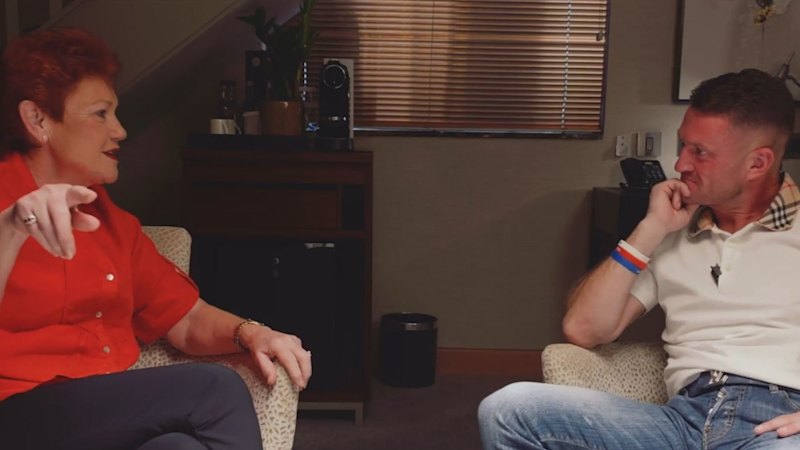
Australia’s political class loves to mock Pauline Hanson, but she is still here. Decades after she first burst onto the scene in her fish and chip shop days, she is still pulling the strings of populist right-wing politics. Now, she is quietly arranging the pieces for her biggest move yet: handing the keys of her political vehicle, One Nation, to her own daughter, Lee Hanson.
If you think political dynasties are reserved for the likes of the Kennedys, the Bushes, or the Murdochs, think again. The populist right is building its own brand of family-business politics right here in Australia.
But can a hand-off like this actually work in a party that has always been defined by a single, explosive personality?
Why Lee Hanson Is the Chosen One
For years, people wondered what would happen to One Nation when Pauline, now in her 70s, finally decides to step back. The party has historically functioned as a cult of personality. Without Pauline’s signature fiery brand, the whole structure risked collapsing under its own weight.
Enter Lee Hanson.
She is not just a carbon copy of her mother, and she is incredibly quick to point that out. Lee has built a corporate resume, working in senior human resources and strategy roles for heavy hitters like the University of Tasmania and Hydro Tasmania. She talks about being diplomatic, measured, and focused on practical issues like the state of the Tasmanian healthcare system, education, and cost-of-living relief.
But don't let the corporate polish fool you. This is a deliberate, highly strategic play to soften One Nation's image while keeping its core voter base intact.
- The Corporate Edge: Lee brings professional credibility that the party has often lacked. She can speak to middle-class voters who might agree with One Nation's policies but are turned off by her mother's loud, polarizing style.
- The Mother-Daughter Dynamic: Pauline herself admits that Lee provides a "young perspective" and isn't afraid to test her thinking. It is a classic "good cop, bad cop" political routine played out on a national stage.
- The Silent Succession: Lee was appointed as a member of the party's national executive. She also picked up a highly lucrative, taxpayer-funded role as a senior adviser to NSW One Nation senator Sean Bell—a position worth up to $180,000 a year.
Nepotism or Political Survival
Let's be real. If any mainstream political party tried to slide the leader's daughter into a key taxpayer-funded advisory role while simultaneously preparing her for a Senate run, the media would go into absolute meltdown. The cries of nepotism would be deafening.
Yet, One Nation seems to glide right past these criticisms. When questioned about Lee’s employment, the party simply brushed it off, claiming decisions are based entirely on "merit and capability" while taking a swipe at diversity quotas.
For Pauline, keeping it in the family is about trust. The history of One Nation is littered with former allies who turned on her, defected, or tried to hijack the party. From David Oldfield in the early days to more recent falling-outs, Pauline has learned the hard way that in the brutal world of populist politics, blood is the only thing you can actually rely on.
The Tasmanian Battleground
The grand plan for the Hanson succession isn't playing out in their traditional heartland of Queensland. Instead, the battleground is Tasmania.
Lee Hanson is running as the lead Senate candidate in the state, directly challenging established independent political force Jacqui Lambie. It is an incredibly bold play. Lambie has long held a monopoly on the blue-collar, straight-talking, anti-establishment vote in Tasmania.
By positioning Lee in Tasmania, One Nation is attempting to expand its footprint beyond its traditional northern borders. If Lee can unseat Lambie or capture one of the Tasmanian Senate spots, she instantly becomes the most powerful player in the party's next generation. It gives her a legitimate legislative platform to build her own national profile, independent of her mother's shadow.
Can One Nation Survive Without Pauline
This is the ultimate question. Historically, populist parties that are built around a single founder struggle to survive a transition of power.
We’ve seen this movie before. When the founder steps down, the infighting begins, the message gets diluted, and voters move on to the next shiny outsider.
Lee Hanson says she is "not her mother". She is right. She is calmer, more corporate, and far more diplomatic. But the raw, unpolished, "saying what people are thinking" anger is exactly what made Pauline Hanson a political phenomenon in the first place.
If you strip away the polarization, do you also strip away the magic that keeps One Nation alive?
If you want to understand where Australian conservative politics is heading, keep your eyes on Tasmania. Watch how Lee Hanson campaigns, how she handles the inevitable attacks about nepotism, and whether she can connect with ordinary voters without relying on her mother's shock-value tactics. The future of Australia's most resilient populist party depends entirely on whether the Hanson brand can survive a second generation.