You booked the flight, mapped out the museums, and dreamed about fresh croissants. Then you step off the plane into a city paralyzed by strikes, transit shutdowns, and blocks of chanting crowds. Walking right into Paris protests can ruin a vacation fast if you don't know how the city operates during civil unrest.
France has a rich, deeply ingrained culture of public demonstration. When labor unions, transit workers, or students take issue with government policies, they don't just write angry letters. They take to the streets, block traffic, and shut down public transportation. For locals, it's a normal Tuesday. For a tourist holding a timed-entry ticket to the Louvre across town with closed metro lines, it's a logistical nightmare.
Why Paris Protests Happen So Often
Labor strikes and street demonstrations are woven into the fabric of French civic life. The right to strike and protest is protected, and citizens use that right aggressively. You'll see protests over pension reforms, fuel taxes, retirement ages, or public spending cuts.
Understanding the mindset helps. French workers view public disruption as an essential tool for political leverage. When garbage collectors strike, bins pile up on chic boulevards. When transport workers walk out, the metro grinds to a halt. It isn't personal against visitors. It's a national conversation happening loudly in public spaces.
The Reality on the Ground When Demonstrations Turn Heated
Most protests in Paris follow predictable routes. They usually start in major squares like Place de la République, Place de la Bastille, or Place de la Nation, and march toward government offices or major transit hubs.
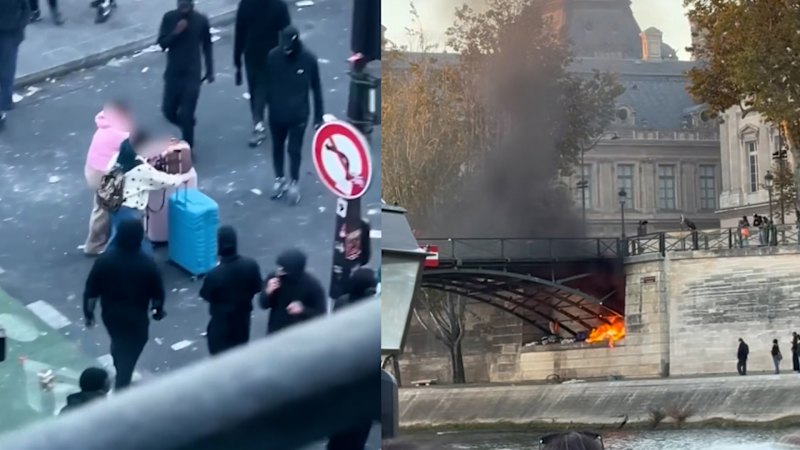
During peaceful marches, you'll see families, union workers waving flags, and heavy police presence known as the CRS. It can feel festive at first, complete with food trucks and loud music. However, tension can shift quickly. A small radical fringe, often called casseurs, can infiltrate the march. Their goal is destruction: smashing windows, setting small fires, and provoking police.
When police deploy tear gas or charge the crowd, the atmosphere changes instantly. Tourists caught in the middle often panic because they don't know the layout or the language. Stinging eyes, running crowds, and riot police batons are not what you signed up for on holiday.
How Transit Shutdowns Trap You
The most immediate impact on your trip won't be the protesters themselves. It will be the metro stations closing down.
When a protest march is scheduled, RATP (the Paris transit authority) shuts down stations along or near the route for safety reasons. Entire lines might stop running. Buses get rerouted or stuck in massive gridlock. Taxis and ride-shares surge in price or become completely unavailable because roads are blocked off by police barricades.
If your hotel is in the 11th arrondissement and you need to catch a train at Gare de Lyon, a simple twenty-minute journey can turn into a frantic two-hour trek on foot while dragging your luggage over cobblestones.
Smart Strategies to Stay Safe and Keep Your Trip on Track
You don't need to cancel your trip to Paris out of fear. You just need a game plan. Preparation makes all the difference when navigating a city in flux.
Monitor Local Sources Before You Leave the Hotel
Don't rely on international news networks, which often sensationalize European protests to make them look like active war zones. Instead, check local transit apps and official police channels. The Préfecture de Police de Paris publishes notices about authorized protest routes and restricted zones on social media platforms well in advance.
Map Your Routes With Alternatives in Mind
Always assume the metro might fail. Download offline walking maps. Pick accommodations that put you within walking distance of major sights, or at least near multiple metro lines so you have options if one shuts down.
Know What to Do If You Encounter a Crowd
If you stumble upon a march or a heavy police standoff, turn around immediately. Do not pull out your phone to take casual selfies right next the police lines or aggressive groups. Stay calm, walk briskly away from the core of the crowd, and duck into a café or shop until the street clears. Keep your passport and valuables zipped securely inside deep pockets or cross-body bags. Pickpockets love the chaos of a disrupted crowd just as much as protesters love disrupting traffic.
Staying aware of your surroundings keeps a minor inconvenience from turning into a ruined vacation. Paris remains one of the greatest cities in the world to explore on foot, provided you look up from your itinerary and watch what's happening around the next corner.