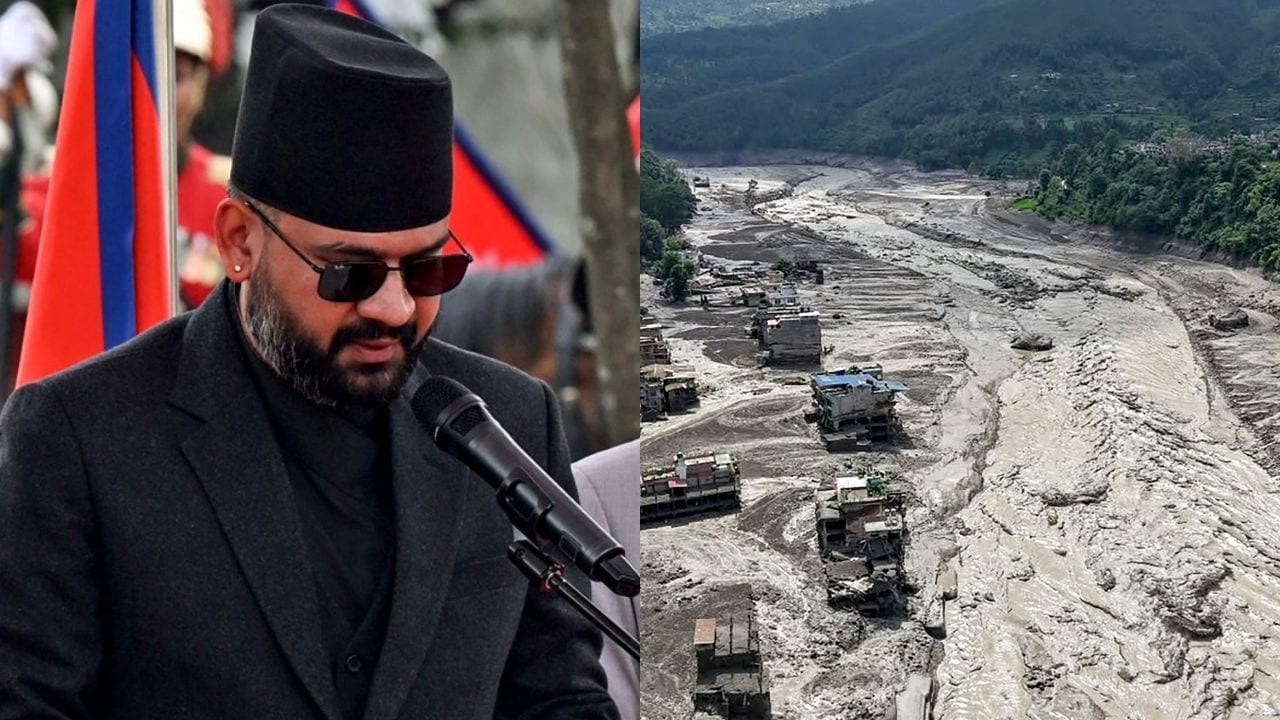
The rain did not fall like water. It fell like an eviction notice. When consecutive days of torrential downpours triggered catastrophic floods and landslides across Nepal, the immediate casualty counts dominated global news tickers: dozens dead, hundreds missing, and foreign nationals trapped in remote trekking corridors. American tourists were among the missing, stranded in regions where infrastructure evaporated overnight. But focusing solely on the missing hikers misses the structural anatomy of a disaster decades in the making. This was not merely an act of angry weather. It was a collision between extreme climate volatility and systemic tourism deregulation in the Himalayas.
Emergency services scrambled helicopters through narrow mountain passes as soon as weather windows opened. Yet the search and rescue operations exposed an uncomfortable reality about how adventure tourism operates in high risk developing nations. Private insurance companies, local expedition agencies, and government bureaucracy often work at cross purposes when disaster strikes. Tourists chase the ultimate mountain high while ignoring the structural fragility of the paths beneath their boots. Understanding what happened requires looking past the helicopter footage and examining the governance gaps that turn seasonal monsoon rains into international emergencies.
The Geography of Vulnerability
The Himalayan topography is inherently unstable. Steep gradients, loose glacial till, and seismic history mean that earth and rock are always waiting for an excuse to move. When unprecedented rainfall totals hit the region in late September, saturation points were breached within hours. Entire sections of the Annapurna and Everest trekking routes simply slid into the river valleys below.
Geologists have warned for years that traditional hazard mapping in Nepal is outdated. Climate change has intensified the Indian Ocean dipole and shifted monsoon patterns, delivering more concentrated volumes of water in shorter bursts. Infrastructure designed to withstand historical rainfall norms is now obsolete.
- Road networks built into sheer mountain faces are routinely cut off, isolating entire districts.
- Suspension bridges spanning raging torrents are frequently overwhelmed by rising sediment loads.
- Early warning systems in remote valleys often rely on manual relay rather than automated telemetry.
Tourists arriving in Kathmandu see prayer flags and majestic peaks. They rarely see the compounding hydro-meteorological data indicating that the mountain ecosystem is under extreme stress. Local authorities face an impossible fiscal balancing act. They rely heavily on trekking permits to drive the rural economy, creating a profound disincentive to close trails or issue strict moratoria during volatile weather windows.
The Economics of Risk
Every year, hundreds of thousands of foreign trekkers inject vital foreign currency into the Nepalese economy. Teahouse owners, porters, guides, and transport operators depend on the autumn season to survive the rest of the year. This economic dependency creates a culture of optimism bias. When the weather turns sour, nobody wants to be the first to call off an expedition.
Tour operators compete in a crowded marketplace. Margins are tight, and cutting corners on safety equipment, satellite communication devices, or experienced mountain guides is a constant temptation for budget agencies. When novice travelers book inexpensive treks through online brokers based thousands of miles away, they are buying a logistical gamble.
The distance between a bucket-list adventure and a survival crisis is measured in hours of poor communication and inadequate gear.
Insurance providers share the blame. Many travel insurance policies marketed to adventure tourists contain opaque exclusion clauses regarding high altitude rescue or natural disasters. When a foreign national goes missing, families often discover that their policy requires local police confirmation or specific government coordination before funds for private charter helicopters can be released. That administrative lag can prove fatal when hypothermia and trauma are compounding threats.
Regulatory Blind Spots
Nepal possesses a vibrant tourism ministry, but enforcement mechanisms at the regional level remain weak. Trekkers are supposed to register via systems like the Trekkers Information Management System, but enforcement on remote trails is patchy at best. Independent hikers routinely bypass checkpoints, setting off without local guides or real-time weather briefings.
When disaster strikes, authorities do not even possess an accurate baseline of who is currently on the trail. Rescuers are forced to piece together manifests from abandoned hotel registries, social media check-ins, and panicked calls from embassies.
- Centralized tracking remains unstandardized across different regional districts.
- Emergency communication relies heavily on spotty cellular coverage rather than mandatory satellite messengers.
- Accountability for unregistered independent operators is practically nonexistent.
This regulatory vacuum leaves foreign embassies scrambling. Consular officials in Kathmandu become crisis managers, coordinating between frantic families back home and overextended local military units. The lack of a unified command structure during major weather events multiplies the chaos on the ground.
The Human Element on the Ground
Behind the headlines of missing nationals are the domestic workers who absorb the heaviest burden of these catastrophes. Porters and guides from lower economic castes are often pressured to continue trekking despite deteriorating conditions to protect client satisfaction scores and employer revenue. When disaster hits, international media focuses heavily on the missing tourists, while local casualties and displaced mountain communities receive secondary attention.
Veteran mountain guides know the signs of an impending slope failure long before meteorological agencies issue bulletins. Their traditional ecological knowledge, accumulated over generations of living with the landscape, is frequently overridden by tourists determined to complete their itinerary. The power dynamic between a paying foreign client and a local wage earner can tilt safety decisions in the wrong direction.
Search efforts following the floods relied heavily on local volunteers and elite Sherpa rescue teams who risked their own lives in unstable terrain. These individuals operate with minimal hazard pay and limited state-backed safety nets. Until the structural risks of mountain tourism are addressed through mandatory safety standards, transparent insurance reform, and stricter environmental zoning, the mountains will continue to exact a heavy toll on those who seek their heights. The next storm is already forming over the Bay of Bengal, and the trails are drying out just enough for the next wave of hopeful travelers to lace up their boots.