A month after the latest US-brokered diplomatic effort, the border between Lebanon and Israel is still burning. Bombs are falling, sirens are wailing, and the term ceasefire sounds like a dark joke to anyone living near the Litani River. It's a broken record that keeps playing because international mediators often mistake a signed piece of paper for actual stability.
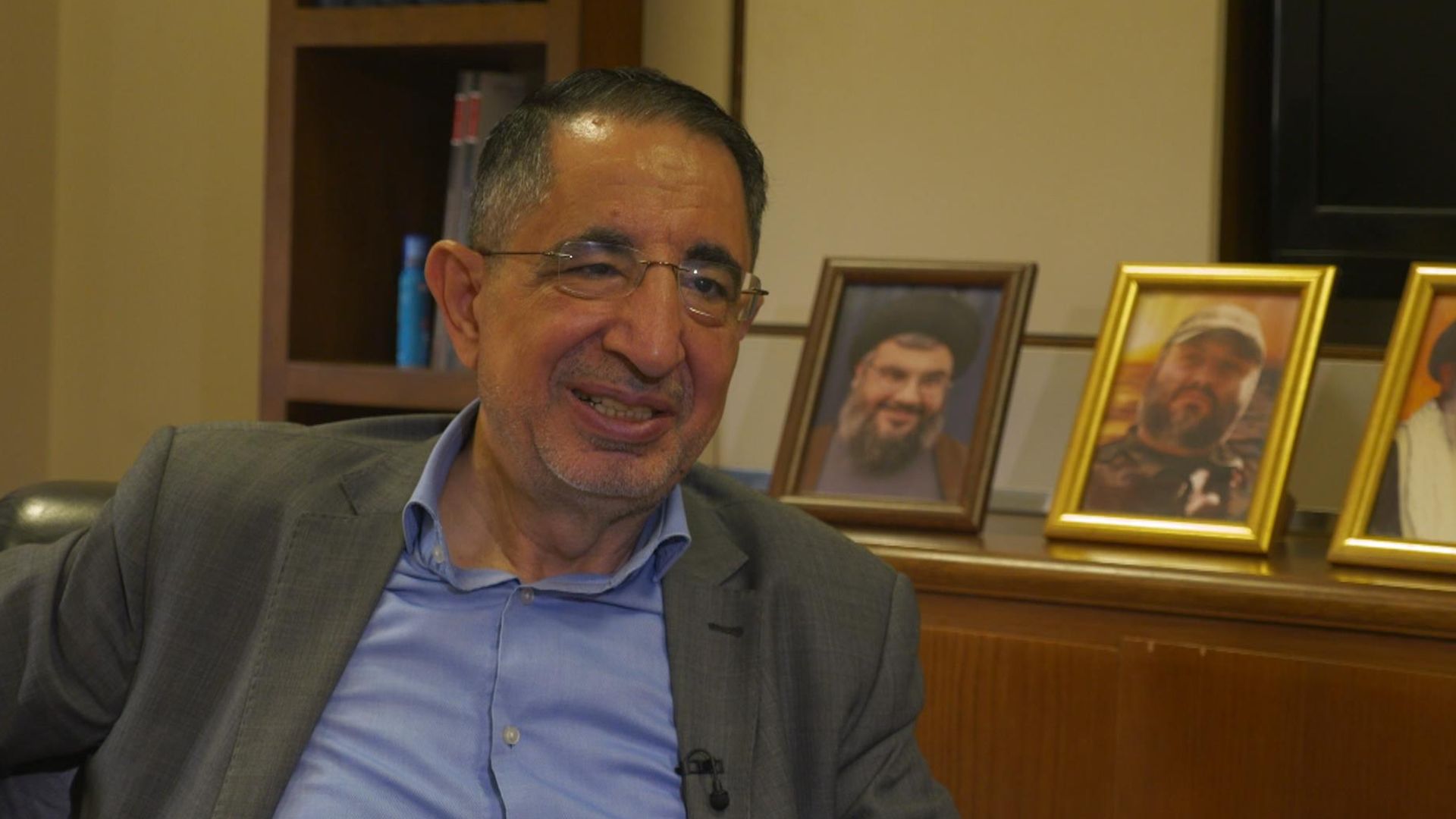
A prominent Hezbollah Member of Parliament recently gave a blunt reality check to Sky News, laying out three unyielding demands that the group insists are non-negotiable for a permanent halt to hostilities. The message was clear: "We don't negotiate under fire."
If you want to understand why the fighting hasn't stopped despite endless diplomatic pressure, you have to look at the massive gap between Western peace plans and the stark realities on the ground.
The Three Pillars of a Lasting Ceasefire
Hezbollah lawmakers, including prominent figures like Hassan Fadlallah and Mohammad Raad, have consistently rejected what they view as humiliating terms or foreign-imposed conditions designed to disarm the group by proxy. Their core framework for any functional agreement boils down to three distinct requirements.
1. Immediate and Absolute Cessation of Israeli Violations
The primary hurdle to any truce is the ongoing military activity. Hezbollah officials point out that a ceasefire is entirely meaningless if the Israeli Air Force retains total freedom of movement in Lebanese airspace. From their perspective, a true agreement requires Israel to completely halt its airstrikes, cross-border shelling, and target assassinations. You can't ask one side to freeze its operations while the other continues conducting what it calls preemptive security strikes.
2. Full Military Withdrawal from Every Inch of Lebanese Territory
A partial pullback won't cut it. The group demands the complete withdrawal of the Israel Defense Forces (IDF) from all occupied border villages and contested zones. Hezbollah maintains that any foreign troop presence on Lebanese soil inherently legitimizes armed resistance. They argue that stability is impossible until full Lebanese territorial sovereignty is restored, meaning no buffer zones controlled by outside forces.
3. Rejection of Hostile Political Conditions and Forced Disarmament
International proposals often call for the immediate disarmament of Hezbollah or the introduction of international proxy forces to police the south. The group's political wing has flatly rejected these demands, stating that their weapons remain the primary deterrent against total occupation. They view demands for unilateral disarmament as a trap, refusing to accept any political deal that forces Lebanon into a normalization agreement with Israel or leaves the country vulnerable.
Why the Current Diplomatic Track is Stuck
The current diplomatic impasse stems from a fundamental contradiction in expectations. While Washington handles ambassador-level talks to push for a structured security arrangement, both sides are operating on entirely different assumptions.
The Lebanese government, caught in the middle, faces intense economic ruin and lacks the military capacity to enforce a peace deal on its own terms. MP Nadim Gemayel recently lamented that the country effectively has "no state," leaving regular Lebanese citizens to pay the price for a conflict they cannot control.
Israel insists on the right to enforce the terms of the truce through direct military action whenever it detects a perceived threat or a violation by Hezbollah forces. Hezbollah, on the other hand, views this demand as a devious deception. They argue that giving one nation a special exemption to open fire whenever it pleases isn't a truce at all—it's an occupation by another name.
The Illusion of the Buffer Zone
Military strategists often talk about creating a secure buffer zone in southern Lebanon to protect northern Israeli towns. It sounds organized on paper, but the reality on the ground is chaotic and destructive.
Instead of establishing a peaceful, empty perimeter, the push for a buffer zone has resulted in the systematic demolition of border towns like Kfar Kila and Khiyam. Artillery exchanges and drone strikes continue daily, proving that lines drawn on a map by foreign diplomats don't automatically change the strategic calculations of armed factions.
When international mediators ignore the core security fears of the populations living in these border zones, the resulting agreements inevitably collapse within weeks. A lasting peace requires more than just a temporary lull in airstrikes to satisfy a political calendar in Washington. It requires a baseline of trust and mutual commitment that simply does not exist right now.
The next necessary step for international mediators isn't drafting another temporary truce extension. It requires addressing the fundamental issue of sovereign borders and halting the cycle of negotiating while active bombardment is underway. Until diplomats shift their focus from quick-fix political announcements to enforcing a genuine, balanced halt to all hostile actions, the cycle of violence in southern Lebanon will keep spinning.