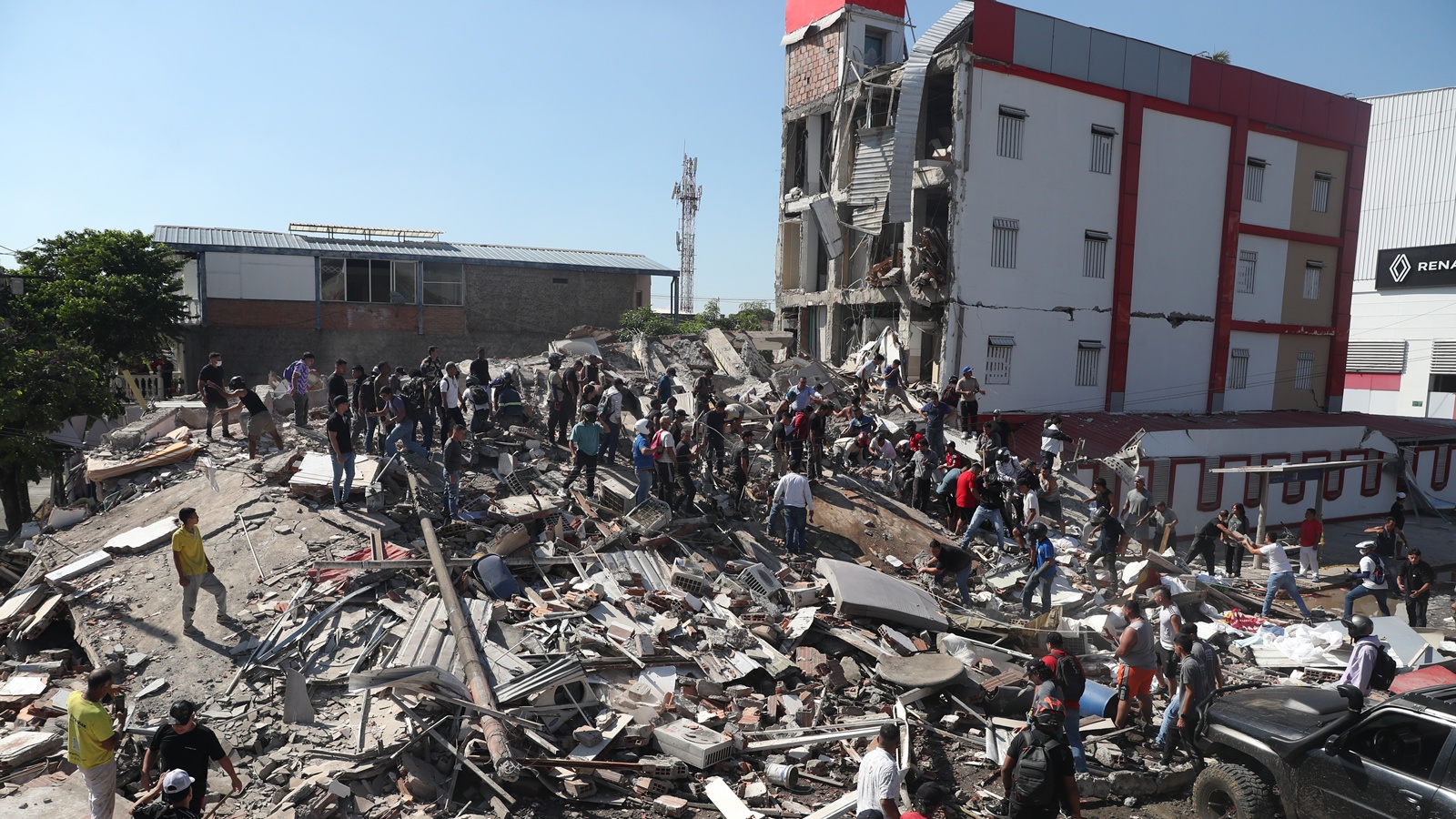
The headlines always follow a predictable, lazy script. A tectonic plate shifts, buildings groan, media outlets scramble for dramatic footage, and the narrative locks into place: nature is a merciless killer, tragedy is inevitable, and chaos reigns.
Forget that tired trope. The standard coverage of seismic events treats every tremor like an unpredictable executioner. It misses the actual failure point entirely. The 7.4 magnitude earthquake that struck Colombia did not devastate communities because the earth moved. It devastated communities because human systems failed to anticipate predictable physics with rigid, outdated infrastructure.
We love to blame the fault lines. Blaming tectonic plates lets architects, urban planners, and municipal governments off the hook. It shifts accountability from boardroom negligence and code enforcement failures to an angry planet. That lazy consensus is dangerous. When you frame a disaster as an act of God, you stop looking for the human choices that turned a natural phenomenon into a catastrophe.
The Physics of Survival Versus the Politics of Compliance
Let us look at the data. Earthquakes do not kill people; collapsing unreinforced masonry does.
Seismology gives us clear, measurable rules. Shear waves and pressure waves propagate through the crust predictably. We know the frequency bands that resonate with low-rise brick buildings versus high-rise steel frames. Yet, every time a major tremor hits, we act surprised when buildings constructed with substandard concrete crumble like dry toast.
I have walked through disaster zones hours after the dust settled. I have seen modern office towers standing completely unscathed right next to residential blocks flattened into dust. Was the earthquake playing favorites? Did the seismic waves take a polite detour around the corporate park?
Of course not. One structure was engineered for dynamic load distribution and lateral drift. The other was built to pass the bare minimum bureaucratic inspection, using cheap rebar and poorly mixed aggregate.
When media outlets flash numbers like forty-seven dead and label the situation critical, they focus on the casualty count while ignoring the causal chain. The critical situation started thirty years ago when a zoning board approved a substandard housing development on liquefaction-prone soil.
Dismantling the Panic Industrial Complex
Emergency response frameworks are built on a flawed premise: that panic is the primary hazard.
Public safety announcements obsess over telling people not to panic, as if terror were a contagious disease that brings down bridges. This is a distraction. People do not panic because they are irrational; they panic because they lack trust in their surroundings. When you spend decades living in a building you know wouldn't survive a stiff breeze, your adrenaline spike during an earthquake is entirely rational.
Imagine a scenario where cities invested ten percent of their disaster recovery budgets into mandatory structural retrofits before a quake ever hits. The economic math is glaringly obvious. Every dollar spent on seismic reinforcement saves seven dollars in emergency response and reconstruction costs.
Yet politicians hate preventative infrastructure. You cannot cut a ribbon for a steel brace hidden inside a concrete column two floors down. Ribbon cuttings require ruins to stand in front of, followed by solemn promises of foreign aid and institutional resilience.
Why Response Times Are a Vanity Metric
Emergency management agencies love to brag about response times. They want to show you footage of ambulances racing down cracked asphalt and rescue teams deploying heavy machinery within hours.
It makes for compelling television. It also exposes a profound failure of imagination.
Focusing on response times assumes that the primary goal is picking up the pieces efficiently after the smash. That is reactive governance at its finest. If your strategy relies on pulling people out from under concrete slabs, your strategy has already failed. True resilience is invisible. True resilience looks like an entire city block shuddering violently for forty seconds and then everyone walking out their front doors to go back to work because the buildings simply absorbed the energy and moved on.
Japan mastered this decades ago. Strict enforcement of the Building Standards Act means that a 7.4 magnitude tremor in Tokyo causes traffic delays rather than mass graves. They stopped treating earthquakes as unexpected tragedies and started treating them as engineering constraints.
The Cost of Complacency
Colombia has brilliant engineers, top-tier universities, and immense technical capability. The bottleneck is not a lack of know-how. The bottleneck is political inertia and the seductive comfort of short-term cost-cutting.
Every time we accept the narrative that high casualties are the unavoidable price of living in a seismic zone, we subsidize shoddy construction with human lives. We normalize preventable tragedies by wrapping them in poetic language about national grief and resilience.
Resilience is not enduring a catastrophe with grace. Resilience is refusing to build the conditions that make the catastrophe possible in the first place.
Stop asking how many people died. Start asking who signed off on the permits for the buildings that fell down.