Geopolitical alignments in South Asia and the Middle East don't shift by accident. When Islamabad explicitly steps up to back Riyadh following coordinated missile and drone strikes by Houthi forces targeting critical infrastructure in Riyadh, Abqaiq, and Khamis Mushait, it signals a much deeper security architecture taking shape.
If you've been tracking regional security news, you know these aren't isolated border skirmishes. These are calculated escalations targeting global energy supplies and sovereign territory. Let's break down why Pakistan's diplomatic and strategic backing matters right now, what's driving this hardline stance, and how it impacts the wider balance of power.
The Reality Behind the Recent Escalation
Recent months have seen a sharp uptick in cross-border drone and ballistic missile attacks aimed at Saudi energy facilities and civilian airports. For Riyadh, protecting critical infrastructure like Saudi Aramco distribution hubs and international airports is non-negotiable. When the Houthi movement claims responsibility for deep-strike operations citing ongoing coalition friction, the threat immediately transforms from a localized Yemeni civil conflict into an international crisis affecting global energy markets.
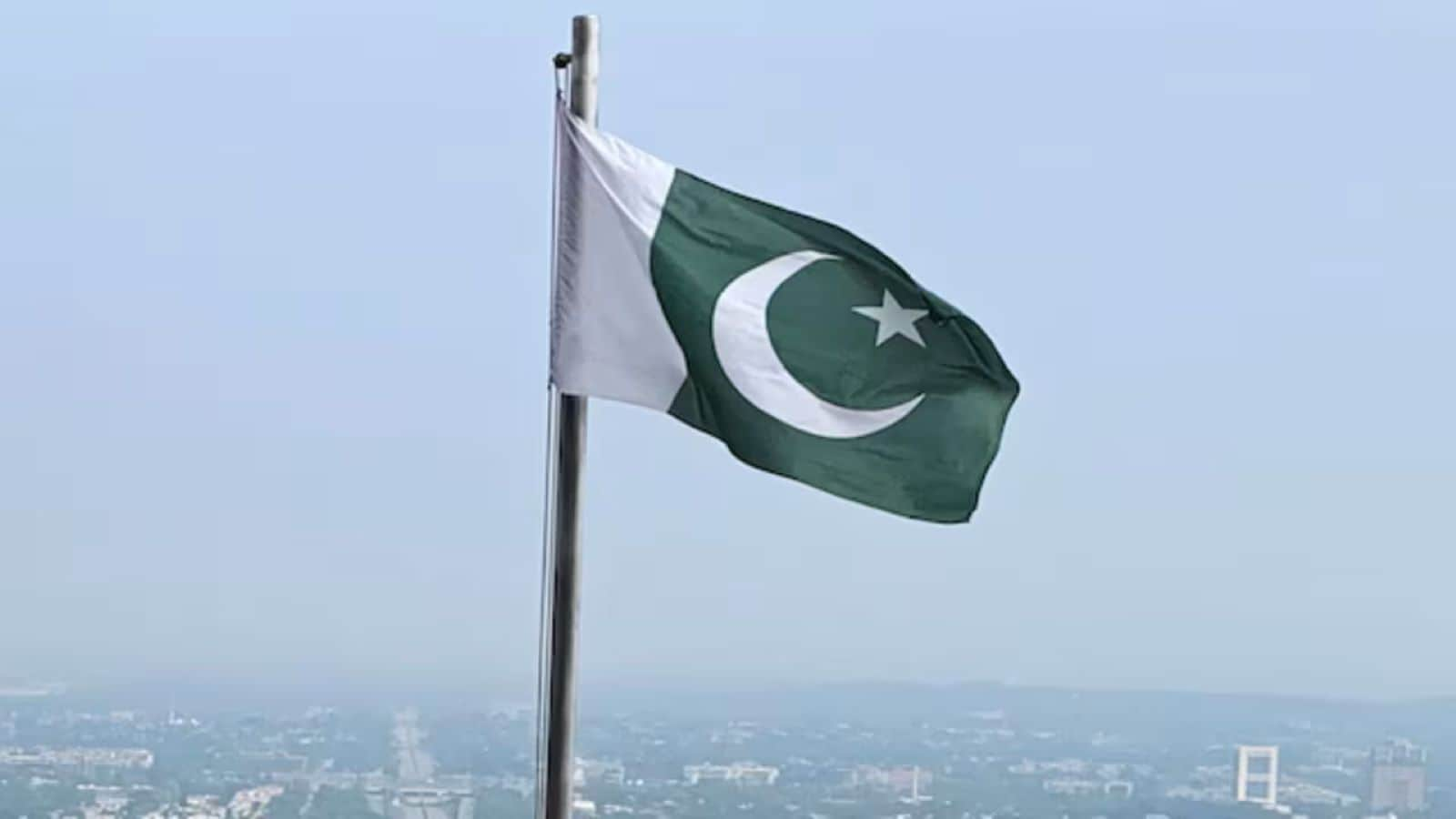
Pakistan's leadership didn't mince words at the United Nations and through official diplomatic channels. Islamabad condemned the strikes as blatant acts of terrorism, reaffirming Saudi Arabia's inherent right to self-defense. This stance isn't just standard diplomatic rhetoric. It flows directly from the deep bilateral defense frameworks and mutual security pacts established between Islamabad and Riyadh.
Why Pakistan's Stance Carries Real Weight
People often wonder why a South Asian nation takes such an active position on a conflict playing out in the southern Arabian Peninsula. The answer comes down to decades of institutional military cooperation and economic interdependence.
- Defense Pacts: Recent high-level security agreements dictate that the security of the kingdom is treated as a core pillar of mutual defense.
- Energy Security: Pakistan relies heavily on stable Middle Eastern energy corridors. Disruption to Saudi oil infrastructure directly threatens macroeconomic stability in South Asia.
- Geopolitical Signaling: By calling out the drone and missile campaigns as terrorist tactics, Islamabad aligns itself firmly with the Gulf Cooperation Council consensus, pushing back against proxy warfare models.
At the UN Security Council, Pakistani diplomatic representatives have consistently emphasized that while a sustainable political settlement must respect Yemen's sovereignty and territorial integrity, aggressive cross-border shelling must cease immediately.
What Most People Get Wrong About the Saudi-Pakistani Defense Relationship
Critics often view these alliances through a purely transactional lens—assuming it's just about financial aid or short-term troop deployments. That's a fundamental misunderstanding.
The institutional ties between the Pakistan Armed Forces and the Saudi military run deep, built over decades of joint training exercises, advisory missions, and shared strategic doctrines. When Islamabad backs the kingdom's right to defend its airspace and oil fields, it acts as a strong deterrent against groups attempting to exploit regional instability.
Furthermore, recent regional dynamics—including discussions around broader defensive arrangements involving Turkey, Pakistan, and expanding Middle Eastern security partners—show that security cooperation is moving toward a collective defense model.
The Broader Impact on Yemen Peace Efforts
Backing Riyadh doesn't mean Islamabad ignores the humanitarian tragedy unfolding in Yemen. Pakistani officials continue to push for a Yemeni-owned, Yemeni-led inclusive political process under United Nations supervision. The dual track is clear: military deterrence against unauthorized cross-border strikes coupled with renewed pressure for a political settlement.
As energy markets remain vulnerable to regional shocks, expect Islamabad to maintain its firm posture. The message to non-state actors launching projectiles across international borders is unequivocal: regional stability requires respecting sovereign boundaries and halting attacks that endanger global commerce.
The diplomatic and strategic lines are drawn. Watch how international sanctions enforcement and regional coalitions adapt in the coming months as both Riyadh and its allies tighten security perimeters.
This video provides an overview of Pakistan's diplomatic and strategic reactions regarding the Houthi attacks on Saudi Arabia and the broader geopolitical developments in the region.