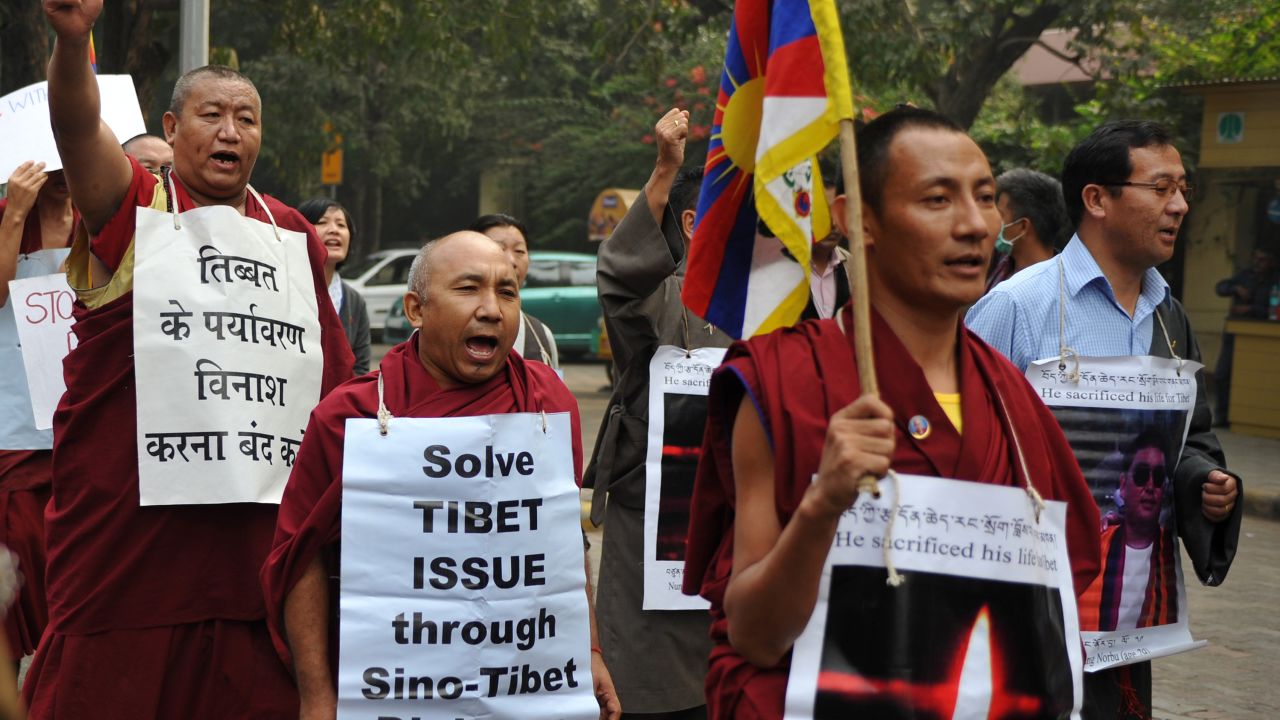
The scene in Bern was predictable. Two hundred people gathered near the Swiss Parliament, chanting, weeping, and holding up portraits of a martyr. They were there to protest China’s "Ethnic Unity and Progress Law"—a piece of legislation that, in the eyes of the protesters, represents the final nail in the coffin of Tibetan identity.
The media covered it as a story of moral courage. I see it as a masterclass in performative futility. Meanwhile, you can find other events here: The Quiet Frontlines of the Blue Helmet Burden.
We have a chronic obsession with treating geopolitical catastrophes as if they are local traffic accidents that can be solved by waving a sign and shouting until the neighbors look. The protesters in Bern, and the Central Tibetan Administration officials who orchestrate these events, are operating under a delusion that the modern world still functions on the currency of public sympathy.
It does not. To see the full picture, we recommend the excellent report by The Guardian.
Here is the hard reality that nobody wants to admit: Beijing is not scared of your hunger strikes, your tattoos, or your petitions to the Swiss Federal Council. They are playing a multi-generational game of structural integration, and while the rest of the world debates the semantics of "human rights violations," China is methodically rewriting the demographic and cultural map of a region.
The Illusion Of International Pressure
The argument from the activists is straightforward: If the international community cries loud enough, the perpetrator will be shamed into compliance.
History disagrees.
Imagine a scenario where the UN actually sent a delegation to Tibet to "document violations." What exactly do you think they would see? They would see a sanitized, highly curated tour designed by the very people accused of the crimes. They would see precisely what Beijing wants them to see. Diplomatic pressure, when it lacks a credible threat of economic or military intervention, is just background noise in the halls of the Great Hall of the People.
The protesters want the world to "open its eyes." The world is already watching. It just doesn't care enough to jeopardize its trade balance. When the Swiss Parliamentary Group for Tibet issues a statement, it is a nice gesture for the domestic gallery. It is not a policy shift. It is a safety valve, allowing parliamentarians to perform concern without ever having to actually confront the consequences of their inaction.
The Misunderstood Mechanics Of Assimilation
The "Ethnic Unity and Progress Law" is not some accidental overreach; it is the logical output of a state that prioritizes centralized control above all else. Calling it "cultural genocide" is emotionally accurate for the victims, but it is analytically unhelpful for those who want to understand how power works.
This isn't about hatred; it is about efficiency.
Beijing views regional autonomy as a threat to internal stability. By mandating Mandarin, reforming the monastic system, and institutionalizing boarding schools, they aren't just trying to "erase" Tibetans; they are attempting to build a standardized citizen base that fits into the modern Chinese economic engine. They have correctly identified that the most potent tool of control is not the bayonet—it’s the curriculum.
If you want to fight this, stop pointing at the law and start looking at the incentives. As long as China remains the factory floor of the world, no one—not Switzerland, not the United States, not the UN—is going to break that chain for the sake of cultural preservation.
What Actually Moves The Needle
I’ve seen activists pour their entire lives into these causes, only to wake up decades later and realize that the map looks exactly the same. They rely on "solidarity," which is the political equivalent of thoughts and prayers.
If you want to actually challenge the status quo, you have to stop acting like a victim and start acting like a strategist.
- Abandon the moral appeal: Stop asking for pity. Pity is transactional and cheap. Start identifying the actual economic vulnerabilities of the entities that facilitate these policies. If you can’t make it expensive for the state to maintain its grip, you are just providing the regime with a harmless vent for frustration.
- Focus on the digital diaspora: If the physical border is closed, the intellectual border must be kept open. Instead of spending your energy on street protests in Western cities, invest in bypassing the information firewalls. The only thing an authoritarian state fears more than a foreign power is its own population having access to a reality that contradicts the state narrative.
- Internalize the cost: Real change requires a willingness to be unpopular. The reason protests in Bern are so popular is that they are easy. You get to stand with friends, feel the warmth of shared anger, and go home to a comfortable bed. The people who actually matter in this fight are the ones operating in the shadows, quietly building the networks that will survive long after the current laws are forgotten.
The tragedy of the current movement is that it is trapped in a cycle of repetition. Every new law triggers a new protest, which triggers a new, polite condemnation, which triggers exactly zero change.
Stop asking the world to intervene. It is busy. Stop expecting the law to be repealed by those who wrote it. Start playing the game that is actually being played, or accept that the outcome you fear is inevitable.
The struggle for Tibet will be won in the schools, in the code, and in the quiet, unglamorous work of cultural preservation—not on the steps of a parliament building in a country that will have forgotten the slogans by Monday morning.
Quit shouting at the mirror. Start breaking the machine.