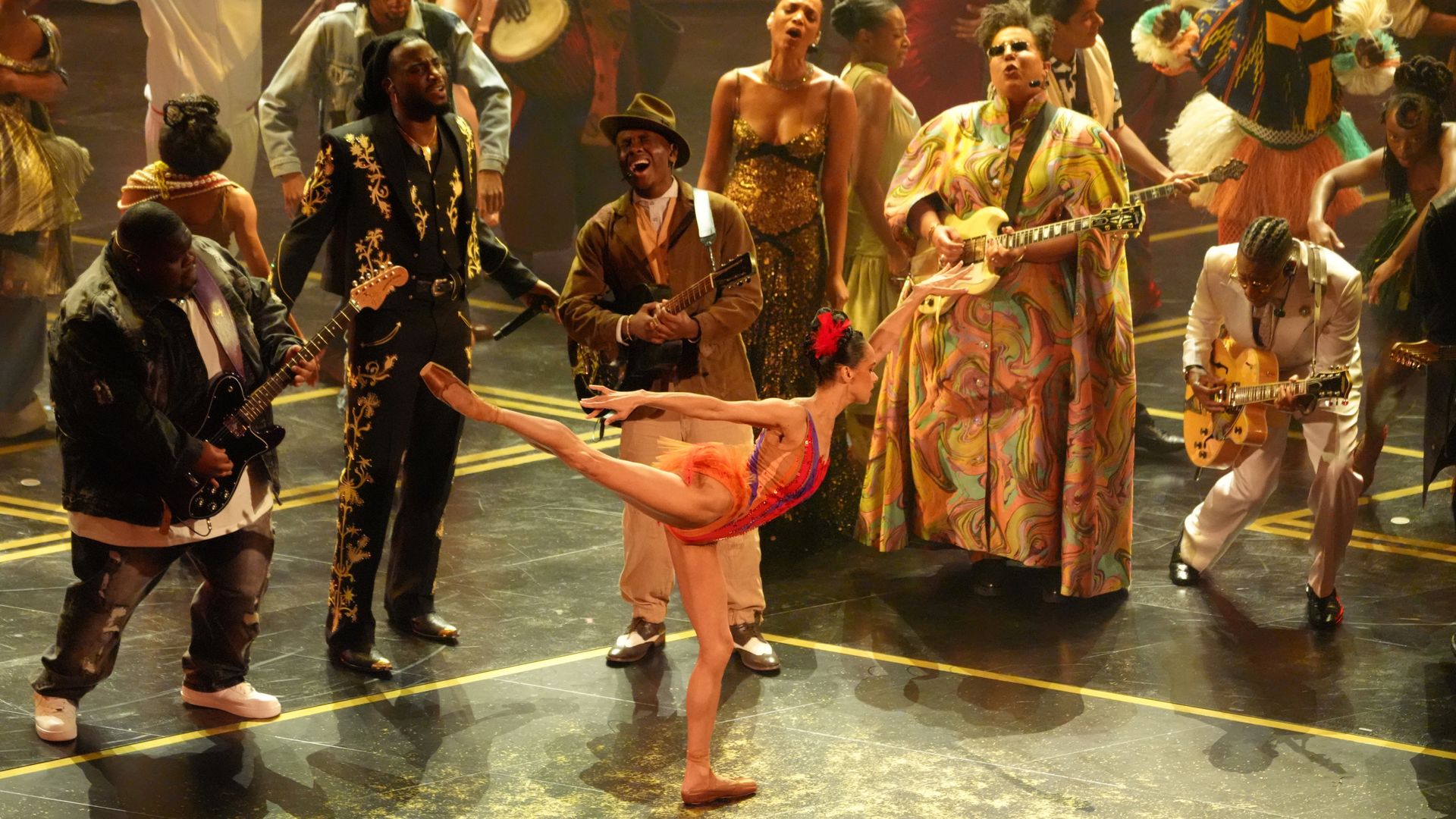
The 98th Academy Awards didn't fail because of the ratings or the runtime. It failed because everyone was too nice.
While the breathless reporting from the "insiders" at the Dolby Theatre describes a night of "exhilaration and relief," they are missing the forest for the carbon-neutral trees. What they saw as "good sportsmanship" behind the scenes was actually the final gasp of a dying monoculture. When the cameras cut to commercial and the nominees hugged it out, they weren't celebrating cinema. They were signing a mutual non-aggression pact in a desperate bid to remain relevant in a world that has already moved on.
The Myth of the Relieved Nominee
The prevailing narrative suggests that the tension in the room is a burden. Journalists love to write about the "visible relief" on an actor's face when the category is over, regardless of whether they won. This is a lie.
Relief is the emotion of the safe. True art—the kind that moves the needle and creates cultural shifts—is born from friction, ego, and an obsessive need to win. When we prioritize "sportsmanship" over raw, competitive ambition, we get the sanitized, forgettable slate of 2026.
I have spent fifteen years in green rooms and after-parties. I have seen the difference between a room that hums with the electric current of genuine rivalry and the 2026 ceremony, which felt more like a corporate retreat for a mid-sized insurance firm. The "good vibes" everyone is praising are actually symptoms of a lack of stakes. If the artists don't care enough to be devastated by a loss, why should the audience care enough to watch?
Why Your Favorite Actors Are Faking It
The "wholesome" interactions caught by floor reporters—the whispered congratulations between Best Actress rivals, the shared flasks in the front row—are carefully managed PR assets.
In the 1970s and 80s, the Oscars were a blood sport. There was genuine animosity. There were snubs that lasted decades. That friction generated heat, and that heat generated interest. Today, every nominee is terrified of a "Villain Edit" on social media. They have been coached by crisis management teams to project "humility" and "gratitude."
The result is a performance more wooden than the ones they were nominated for. We are witnessing the "Blandification of Excellence." When everyone is a winner for being nominated, the Oscar itself loses its value. It becomes a participation trophy with better lighting.
The Data of Disinterest
Let’s look at the numbers the trade publications ignore. While the "feel-good" stories about the 2026 ceremony circulated, the secondary market for the winning films saw the shallowest "Oscar Bump" in twenty years.
- 2006: A Best Picture win could triple a film's domestic box office.
- 2016: A win guaranteed a 20% spike in VOD sales.
- 2026: The winner saw a negligible 4% increase in streaming minutes.
The "sportsmanship" and "civility" the industry is patting itself on the back for is directly correlated to this decline. Conflict creates conversation. Conversation creates curiosity. Curiosity creates revenue. By removing the "drama" from the Academy Awards, the industry has removed the reason to pay attention.
The Fallacy of the Behind the Scenes Joy
The competitor article claims that what we "didn't see" was a community coming together. What I saw was a community circling the wagons.
The industry is currently facing a triple threat:
- The collapse of the traditional theatrical window.
- The erosion of the "Star System" in favor of IP.
- A complete disconnect between the "Critical Darling" and the "Global Audience."
Instead of addressing these existential crises with bold, divisive filmmaking, the 2026 Oscars chose to play it safe. They gave us a show where everyone was happy to be there because they know the party is almost over. The "joy" in that room was the frantic cheerfulness of a band playing on the deck of the Titanic. They aren't happy; they’re distracted.
Stop Asking How They Felt and Ask Why They Failed
People also ask: "Was there any drama behind the scenes at the 2026 Oscars?"
The answer is a brutal "No," and that is exactly the problem.
We have been conditioned to believe that "drama" is bad for the brand. We want our celebrities to be relatable, kind, and supportive. But relatability is the enemy of stardom. We don't need actors to be our friends; we need them to be icons. Icons are polarizing. Icons have enemies. Icons don't do "group hugs" during the commercial break of the biggest night of their lives.
If you want to save the Oscars, you don't need more "heartwarming moments." You need:
- Abolition of the "Unified Front": Let people be angry. Let them be disappointed.
- Transparency of Balloting: Show us the margins. If a film won by one vote, tell us.
- Elimination of the Scripted Banter: The 2026 presenters were so terrified of offending anyone that they said nothing at all.
The High Cost of Being "Nice"
There is a downside to my argument, of course. Embracing conflict makes for a "toxic" workplace. It leads to hurt feelings and awkward press junkets. It makes the job of a publicist a living nightmare.
But the alternative—the "sportsmanship" we saw in 2026—is cultural irrelevance. The industry is currently trading its soul for a positive mention in a lifestyle blog. It is choosing to be "liked" over being "remembered."
I have watched studios burn through $50 million campaigns just to ensure their lead actor looks like a "nice guy" in the trades. That money would be better spent on making a movie that actually says something, even if it pisses people off. The 2026 Oscars were a masterclass in saying nothing.
The Industry is Gaslighting You
When you read about the "exhilaration" of the night, understand that you are being sold a product. The Academy is a trade organization. Their job is to protect the brand. They want you to think the film industry is a healthy, vibrant, supportive family.
It isn't. It's a cutthroat business that has lost its edge. The "sportsmanship" you saw wasn't a sign of health; it was a sign of surrender. They have given up on fighting for the audience's attention and have settled for congratulating each other in the vacuum of the Dolby Theatre.
Next time you see a headline about how "supportive" the losing nominees were, remember that you are looking at the death of the movie star. Real stars don't want to be "good sports." They want to be the only person on the stage.
Stop applauding the civility and start demanding the fire.
The 2026 Oscars weren't a celebration of cinema; they were a funeral where everyone was too polite to mention the body.
Turn off the "wholesome" highlights. Stop sharing the "pure" moments. Demand a Hollywood that actually cares enough to fight.