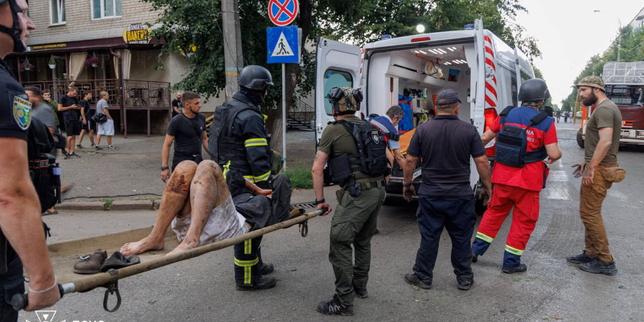
The sirens wail, the ground shakes, and another civilian neighborhood turns to dust. That is the stark reality playing out in northern Ukraine as Russian strikes continue to devastate population centers like Sumy. At least two lives were snuffed out in a recent brutal attack, leaving behind shattered apartment blocks and a community grappling with an unrelenting onslaught. You need to understand what is happening here because these localized tragedies reflect a much larger, grim playbook that shows zero signs of slowing down.
The Strategic Brutality Behind The Sumy Strikes
Why target Sumy? It is not just about hitting random concrete. Sumy sits precariously in Ukraine's northern territory, a region that has faced persistent cross-border shelling, drone incursions, and missile attacks since the earliest days of the full-scale invasion.
Russia knows the psychological weight these strikes carry. By pounding residential areas far from the immediate zero-line of the active southern and eastern fronts, Moscow aims to break the civilian spirit. They want to make normal life impossible.
Local emergency services and regional military administrations have confirmed that residential infrastructure bore the brunt of the recent strike. Rescue workers sifted through smoking rubble for hours. They pulled victims from the wreckage while air raid alerts routinely interrupted their operations.
It is a grinding war of attrition. Every single apartment building destroyed adds immense pressure to an already strained national housing and utility grid.
How Civilians Cope With Endless Air Raids
Living in Sumy right now requires a level of psychological endurance most people cannot fathom. You wake up, check the Telegram channels for incoming drone trajectories, and plan your day around the nearest basement shelter.
People are exhausted. They are angry. But mostly, they are resolute.
I have spoken with volunteers who run local aid distribution hubs in the region. They tell me the same thing every week: the constant threat of ballistic strikes hasn't driven people away in droves; instead, it has forged a grim acceptance. People patch up their windows with plywood, board up shattered storefronts, and keep going.
Yet, the human cost keeps climbing.
- Immediate medical emergencies overwhelm local hospitals after every blast.
- Power grids suffer chronic damage, forcing emergency blackouts.
- Psychological trauma among children and the elderly is reaching crisis levels.
The International Blind Spot
Global headlines often fixate on major breakthroughs or stalemates along the massive eastern frontlines in Donetsk or Zaporizhzhia. Because of that focus, what happens in northern hubs like Sumy or Chernihiv often slips down the news cycle.
That is a dangerous mistake.
The strategy applied in Sumy serves as a testing ground for wider regional destabilization. If northern defenses weaken, it forces Kyiv to divert desperately needed air defense batteries away from critical infrastructure and active combat brigades.
Western intelligence assessments consistently point out that Russia's domestic missile production, despite harsh economic sanctions, has adapted through backdoor supply chains and alternative components. They have enough hardware to keep terrorizing northern cities on a weekly basis.
What Comes Next For The Region
The immediate future for Sumy looks bleak without a massive influx of modern air defense systems. Patriot batteries and NASAMS units save lives, pure and simple. Every time a missile gets intercepted over a populated area, families get to see another morning. Without those shields, cities in the north remain sitting ducks for high-precision glide bombs and ballistic projectiles.
If you want to track where this war is truly heading, stop looking solely at the territorial maps. Look at the airwaves above Sumy. The resilience of the people living there is extraordinary, but human endurance has limits. They need hardware, they need robust protection, and they need the world to stop looking away while their homes burn. Stay informed, support credible humanitarian efforts operating on the ground, and refuse to let the routine nature of these strikes normalize the unthinkable.