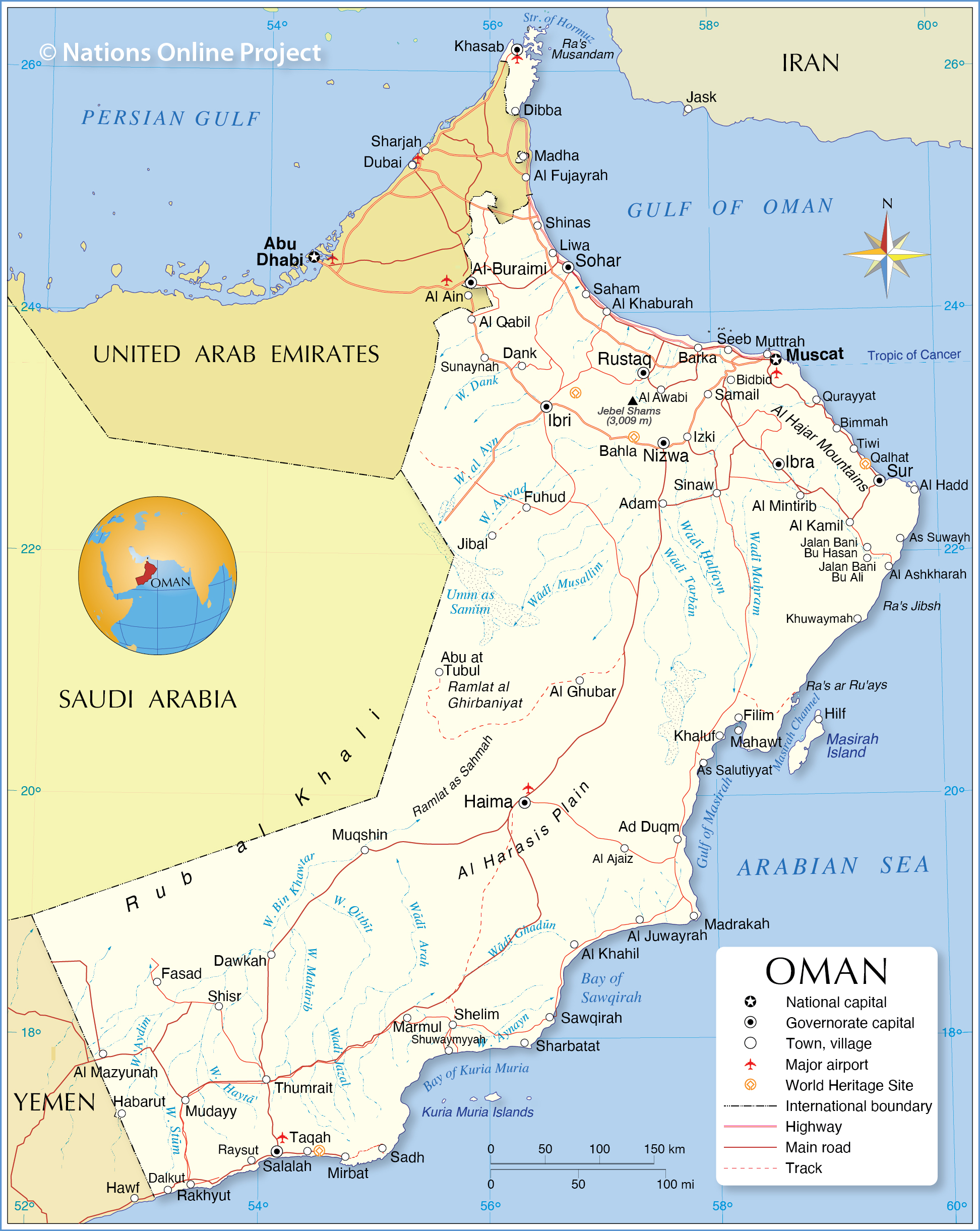
Oman has officially altered its immigration framework by introducing a 14-day tourist visa category priced at zero Omani rials for designated nationalities. Handled via recent amendments to the Executive Regulations of the Foreigners' Residency Law by the Royal Oman Police, this adjustment formally structures short-term leisure and entry permissions into a permanent, cost-free option.
Beneath the bureaucratic terminology lies an aggressive push by Muscat to capture high-value, short-stay tourism. The policy is designed to eliminate administrative friction for regional and international travelers while safeguarding the state's capability to regulate long-term labor migration. For international travelers and regional logistics planners alike, understanding the mechanics of this implementation is critical before booking nonrefundable itineraries.
The Administrative Architecture of the New Entry Class
For decades, navigating Gulf Cooperation Council immigration policy meant weighing expensive entry permits against restrictive transit rules. The Royal Oman Police decision updates this calculus. By explicitly adding a fee-exempt 14-day tourist visa to the official fee schedules, the government has moved past temporary waivers and ad-hoc exemptions.
The legal mechanism carries specific stipulations. The authorization must be requested by the beneficiary at the point of entry or through prescribed channels, and it is strictly bound to a 14-day ceiling. Crucially, regulatory texts emphasize that this window cannot be extended or transformed into a residence visa without exiting the country and initiating a fresh application process under standard schedules.
However, flexibility is built into the framework. Holders retain the legal right to replace the 14-day pass before its expiration by switching to a standard extended tourist visa category, provided they satisfy the required administrative procedures and pay the corresponding fees. This provision acts as a bridge for visitors who arrive on a short exploratory trip—perhaps a weekend business scout or a brief holiday—and decide to prolong their stay.
Economic Diversification and the Post-Oil Imperative
Why is Muscat adjusting its borders now? The answer is rooted in Oman's Vision 2040 economic blueprint. The Sultanate is racing to diversify its gross domestic product away from hydrocarbon dependency. Tourism is earmarked as a primary economic pillar, projected to absorb billions in foreign and domestic investment.
Recent performance indicators show the strategy is gaining traction. Hospitality data from the National Centre for Statistics and Information demonstrates a significant upward trajectory in three- to five-star hotel revenues and overall occupancy rates. Yet, regional competition is fierce. Neighboring markets in the Arabian Peninsula have spent years refining ultra-slick entry procedures to capture short-haul vacationers from Europe, Asia, and fellow GCC states.
Oman has traditionally positioned itself as a destination for cultural authenticity, luxury eco-resorts, and rugged adventure tourism, contrasting with the high-density metropolis models found elsewhere in the region. To maintain this identity while scaling visitor volume, friction at the border had to drop. A zero-fee 14-day window targets the exact demographic that prioritizes spontaneous travel: weekend explorers, transit wanderers, and corporate consultants testing the local market.
The Realities of Compliance and Eligibility
Travelers should avoid assuming uniform application across every global passport. While the legislative amendment creates the structural category, the practical availability relies on designations managed by competent authorities.
Omani authorities maintain strict pre-requisites for entry under these short-term provisions. Standard controls require:
- A passport valid for no less than six months from the date of arrival.
- A confirmed, verifiable return ticket.
- Valid documentation of hotel reservations or a fixed local address.
- Comprehensive health insurance covering the duration of the visit.
- Proof of sufficient financial means to sustain the traveler throughout the stay.
For secondary-tier nationalities identified in broader Omani immigration schedules, compliance often demands proof of valid residency or entry visas from select Western economies or specific professional strata within neighboring GCC nations. Failing to meet any single criterion at the airport check-in desk results in immediate carrier liability and boarding denial. The absence of a visa fee does not equate to an absence of border enforcement.
Navigating the Conversion Trap
The provision allowing visitors to upgrade their status before the 14-day term expires introduces an operational nuance that frequent travelers must manage carefully.
Imagine a hypothetical traveler who enters Muscat under the new free 14-day program for a quick vacation. On day ten, they realize two weeks is insufficient to tour the Wahiba Sands and the mountains of Jabal Akhdar. Converting that zero-fee entry into a standard 30-day tourist visa requires engaging the Royal Oman Police electronic portals, paying the requisite fee, and clearing the administrative pipeline before the original 14-day clock runs out.
Waiting until day fifteen triggers overstay penalties. Omani immigration enforcement applies daily fines for unauthorized overstays, and bureaucratic processing times inside government portals can experience brief queues during peak travel seasons. Treating the 14-day limit as a hard stop is essential to avoiding financial penalties at departure.
Market Reception and Future Outlook
Airlines, hoteliers, and destination management companies operating within the Sultanate have welcomed the clarity brought by the Royal Oman Police decision. Eliminating the administrative overhead of micro-fees for short stays removes a minor psychological barrier for budget-conscious independent travelers.
Yet, infrastructure scaling remains the true test. Muscat International Airport and regional hubs like Salalah must balance surging passenger numbers with efficient processing speeds. As global tourism rebounds toward record figures, ease of entry is merely the first gate in the traveler journey.
Oman is betting that removing the cost of entry will invite visitors to spend their capital on local experiences, boutique accommodations, and regional transport. The framework is operational, the legal amendments are published in the Official Gazette, and the borders are open for those who meet the standard. Check your passport validity, secure your insurance policy, and verify your nationality classification before booking that flight to Muscat.