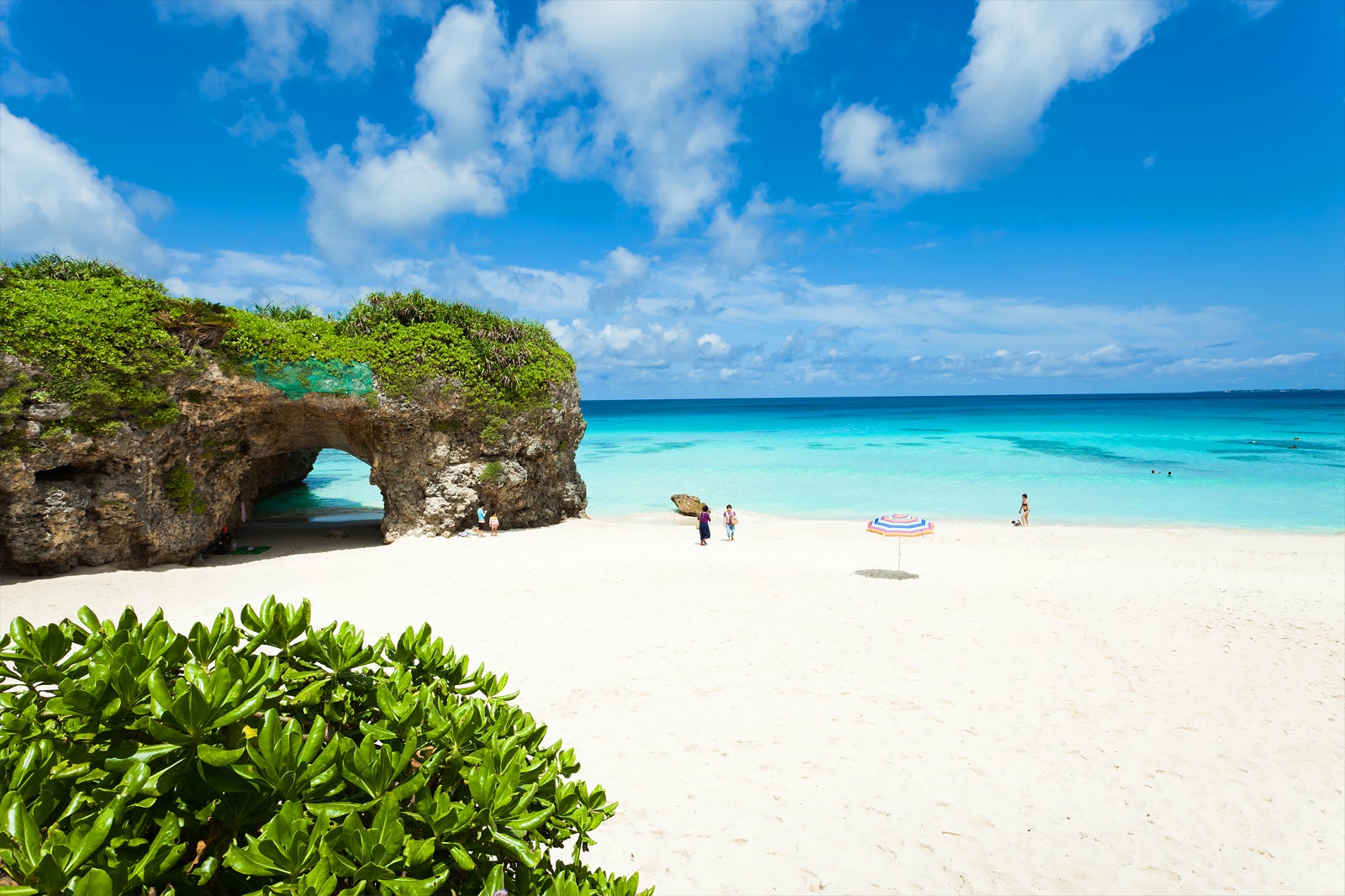
Geographic proximity is a cruel master. Just one hundred kilometers separate the southernmost islands of Okinawa from the tense maritime perimeter of Taiwan, making this subtropical prefecture the indispensable geopolitical anchor for Washington and Tokyo’s shared defense strategy. It is also a pressure cooker. When a U.S. Marine lance corporal named Devin Jacob Ballard was arrested on suspicion of robbing and murdering a local woman in Naha, the shockwave did not stop at the police precinct. It hit the floor of the National Diet, where Prime Minister Sanae Takaichi confronted a familiar, toxic domestic crisis that decades of diplomatic gloss have failed to cure.
The immediate political theatre followed a rigid script. Tokyo issued strong formal protests, local Okinawan officials summoned American commanders to demand strict accountability, and U.S. Forces Japan hastily enacted operational pauses and curfews. Yet behind the choreographed statements of regret lies a brutal truth about the structural friction governing the bilateral security pact. Okinawa hosts the vast majority of U.S. military installations in Japan. For the island's residents, the strategic necessity of deterring regional aggression translates into an unceasing burden of noise, environmental strain, and periodic violent crime. Every high-profile offense committed by a Status of Forces Agreement (SOFA) member acts as a chemical catalyst, instantly reviving decades-old demands for the complete removal of foreign boots from local soil. Discover more on a similar subject: this related article.
Beneath the diplomatic friction lies a complex legal labyrinth. Under the current framework of the SOFA, Japan often struggles to secure early custody of American service members accused of off-base crimes until formal indictments are handed down, feeding a persistent public narrative that foreign personnel enjoy structural impunity. While Japanese prosecutors operate with a notoriously stringent conviction rate hovering above 99 percent once a case goes to trial, the journey to that courtroom is fraught with institutional suspicion. When crimes occur behind closed doors in urban entertainment districts, the friction shifts from defense strategy to fundamental questions of sovereignty. Tokyo wants an alliance that deters regional adversaries, but successive administrations find themselves forced to apologize for the behavior of young men stationed thousands of miles from home.
Prime Minister Takaichi’s sharp rhetoric reflects a changing political landscape in Tokyo. With regional security pressures mounting daily, Japanese leadership can no longer afford to treat base-related crimes as isolated local anomalies. The presence of tens of thousands of armed foreign personnel is supposed to guarantee regional stability, yet incidents of violence inside host communities actively destabilize the domestic political consensus required to maintain the alliance. If Washington and Tokyo cannot enforce ironclad discipline and predictable judicial transparency, the geographic anchor of Pacific deterrence risks tearing itself apart from the inside. Further reporting by TIME highlights similar perspectives on the subject.
A U.S. Marine in custody on suspicion of killing a Japanese woman in Okinawa
This video provides an overview of the legal and diplomatic fallout following the arrest of a U.S. service member in Okinawa.