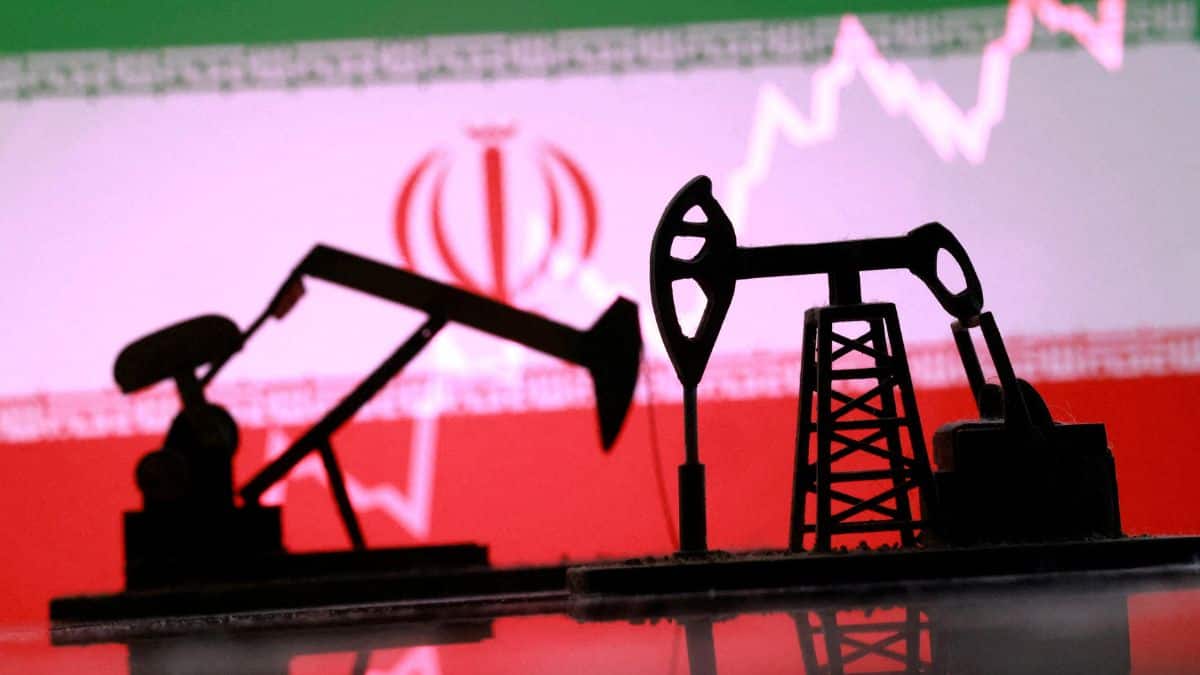
Brent crude is screaming toward $100 again and honestly, nobody should be surprised. When the Strait of Hormuz gets twitchy, the entire global economy holds its breath. We just saw Brent jump 7% because of a series of attacks in the world's most critical oil chokepoint. It's the kind of volatility that makes a mockery of long-term projections and leaves analysts scrambling to explain why the safety nets aren't working.
You've probably heard the International Energy Agency (IEA) has a plan. They've got strategic reserves. They've got protocols. But the market just gave that plan a collective shrug. Traders aren't looking at spreadsheets right now; they're looking at tankers and drones. When 20% of the world's petroleum passes through a single narrow strip of water, a "reserve plan" feels like bringing a squirt gun to a house fire.
The reality of $100 oil isn't just a round number for news tickers. It’s a massive tax on every human being who drives a car or buys a loaf of bread. If you think inflation was a headache last year, watch what happens when energy costs bake into the entire supply chain again.
The Hormuz Chokepoint Is the Only Metric That Matters
Forget the Fed for a second. Forget interest rate swaps. The real power over your wallet sits in the Strait of Hormuz. It's a tiny stretch of water, only about 21 miles wide at its narrowest point. But through that gap flows roughly 20 million barrels of oil every single day. If that door slams shut—even halfway—global supply doesn't just dip. It vanishes.
Recent attacks on tankers in this region have sent insurance premiums into the stratosphere. Ship owners don't want to risk a $100 million vessel in a combat zone. When they do, they pass those costs directly to you. We're seeing a repeat of history where geopolitical tension trumps actual supply-demand fundamentals. The oil is there. The ground has plenty of it. But getting it from a well in Saudi Arabia to a refinery in New Jersey requires a safe passage that no longer feels guaranteed.
Why the IEA Reserve Plan Is Falling Short
The IEA tried to calm the nerves. They announced a coordinated release from strategic reserves to offset any potential disruption. On paper, it's a solid move. In practice, the market saw it and kept buying. Why? Because reserves are a finite, one-time fix.
Strategic reserves are meant for short-term hiccups, not a fundamental shift in the security of the Middle East. If the Strait of Hormuz remains a high-risk zone for months, a 30-day or 60-day reserve release is basically a band-aid on a broken leg. Traders know this. They're betting that the disruption will outlast the political will to drain emergency tanks.
There’s also the issue of quality. Not all oil is the same. Refineries are tuned for specific grades—light sweet crude vs. heavy sour. If the reserves being released don't match what the refineries need, you get a bottleneck even with "plenty" of oil available. This mismatch is a detail most people miss, but it's why the price at the pump keeps climbing regardless of what the IEA says.
The Psychological Barrier of 100 Dollar Oil
Numbers matter. $100 is a psychological cliff. Once Brent crosses that line, it triggers automatic buying programs and shifts the narrative from "price correction" to "energy crisis." We're sitting right on the edge of that cliff.
When oil hits triple digits, the political pressure becomes unbearable. Governments start looking for someone to blame. Usually, they point at OPEC+. But OPEC+ has been very clear about their stance. They want price stability, but they aren't going to flood the market and crash the price just because tankers are getting hit in a war zone. They're playing the long game.
What This Means for Your Daily Life
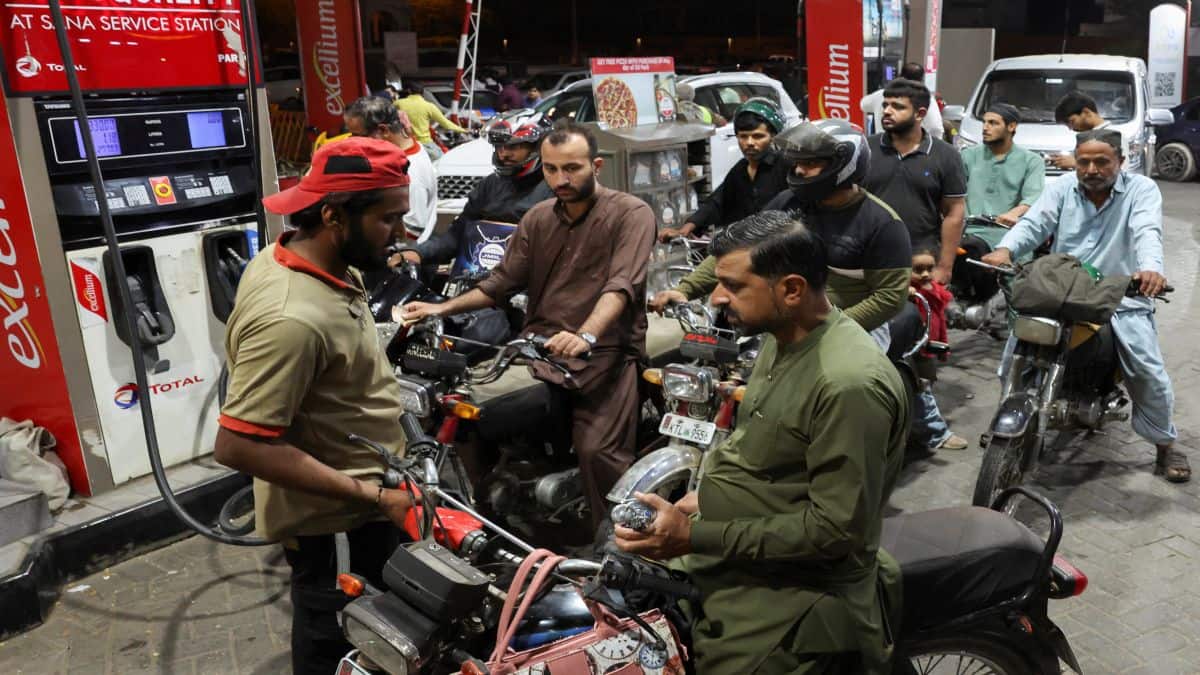
It's easy to look at global oil prices as some abstract concept that only affects Wall Street. That’s a mistake. High energy prices are a regressive tax. They hit the poorest people the hardest. When diesel prices spike, the cost of trucking food to your local grocery store spikes. The store doesn't just eat that cost. They pass it to you.
We're looking at a scenario where "core inflation" stays sticky because energy is the literal fuel for the rest of the economy. You can't have a cheap iPhone or cheap eggs if the ships and trucks moving them are burning $100-a-barrel fuel. It’s a cascading effect that starts in the Persian Gulf and ends at your kitchen table.
Misconceptions About Energy Independence
A lot of people think that because the U.S. produces more oil than ever, we're shielded from this. We aren't. Oil is a global commodity. Even if we produce every drop we use, the price is set on a global market. If the price goes up in London or Singapore, it goes up in Texas.
Domestic producers aren't charities. If they can sell their oil for $100 on the international market, they aren't going to sell it to you for $70 just to be nice. True energy independence would require a complete decoupling from the global grid, which isn't happening anytime soon. Until then, a drone strike 7,000 miles away will always impact what you pay for a gallon of gas.
How to Navigate This Volatility
If you're managing a business or just trying to protect your savings, you need to stop thinking about oil as a steady expense. It’s a wild card now.
Look at your logistics. If you're heavily dependent on shipping or high-travel operations, it's time to hedge. Locking in fuel prices through futures or simply being more aggressive with fuel surcharges is a survival move. Don't wait for $120 oil to realize your margins are gone.
Watch the headlines, but watch the shipping lanes closer. The moment you see a decrease in tanker traffic through Hormuz, that’s your signal that the $100 floor is becoming a ceiling. Until then, expect the roller coaster to keep going up.
Keep an eye on the actual delivery numbers, not just the IEA press releases. The gap between what is promised and what is actually delivered to refineries is where the real price action lives. If you see that gap widening, get ready for a very expensive year.
The immediate move is to audit your energy exposure. Whether that's through your investment portfolio or your company’s overhead, assume $100 is the new normal for the next quarter. If the price drops, you’ve got a windfall. If it stays high, you’re the only one who wasn't caught off guard.