The Pacific does not negotiate.
It arrives with a cold, rhythmic pulse, ancient and indifferent, dragging millions of tons of grey water across the continental shelf until it hits the basalt cliffs of the Oregon coast. To stand at the edge of this continent is to stand at an audition. The air tastes of salt, rot, and immense distance. Pine needles drop quietly into the damp sand. And somewhere, just beyond the line of sight, the tide turns.
We live now in the age of the frame.
Every square inch of the earth has been photographed, cataloged, and rendered into a frictionless thumbnail, yet we possess an insatiable hunger to prove that we were personally there. We need the proof. Not just a memory etched in the gray folds of the brain, but a glowing rectangle of validation. A sliver of wildness captured, tamed, and broadcasted to screens thousands of miles away.
Consider the anatomy of a photograph.
A jagged stack of rock rising from the surf like the spine of a sunken leviathan. A curtain of mist softening the harsh afternoon glare. A lone human figure perched precariously on a slick outcrop, arms raised in triumphant silhouette against a crashing wall of white foam. It looks effortless. It looks timeless. It looks like freedom.
It is actually a trap.
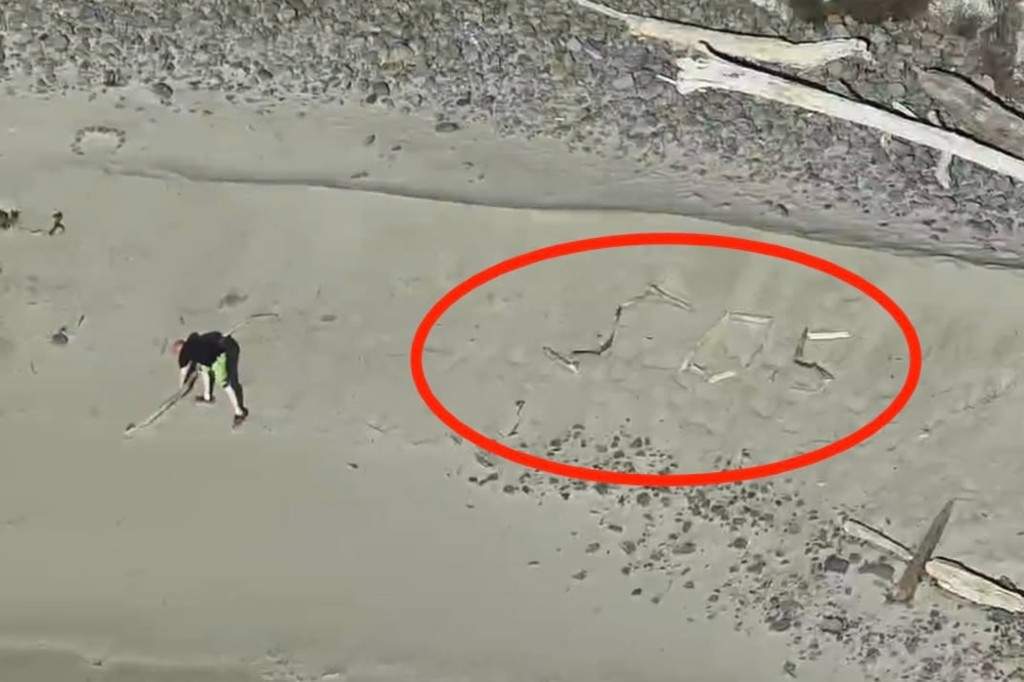
On a Tuesday afternoon in early autumn, two travelers stood on an Oregon beach where the cliffs drop straight into the churning surf. Let us call them what they were: seekers. Not foolish people, necessarily, but people infected by the quiet urgency of our time. They had driven hours past the emerald valleys of the Willamette, past the logging towns sleeping under blankets of moss, drawn by the raw theater of the shoreline.
The tide table was printed on a laminated sign back at the parking lot kiosk, flapping gently in the wind beside a warning about sneaker waves. Nobody reads a tide table the way nobody reads the terms and conditions. A tide table is dry data. Numbers and minus signs. It lacks the visceral pull of a glowing Instagram grid.
They walked out onto the hard-packed sand, past the drift logs bleached white like whale bones.
The wind was a physical presence, smelling of kelp and ozone. Every step felt lighter. The horizon stretched out infinitely, a silver-grey plate where sea met sky. They laughed. They pointed cameras. They sought the angle. That elusive geometry where the human scale dwarfs itself against the monumental architecture of the earth.
Behind them, the ocean began its geometry.
We forget that the ocean is not a backdrop. It is an engine. The gravitational pull of the moon, coupled with local bathymetry and wind stress, drives thousands of gallons of water into narrow coves and around headlands with the hydraulic pressure of a freight train. When the tide rises against a vertical cliff face, it does not merely flood the sand. It closes doors.
At first, the water simply wet their ankles. A playful splash. A cold reminder of where they stood.
Then came the second wave. It didn't recede. It pooled around the dark bases of the sea stacks, filling the narrow guts between rock and mainland where dry sand had existed twenty minutes prior.
Panic does not arrive as an explosion. It arrives as a slow, sickening drop in the pit of the stomach.
They turned back toward the trail. The narrow spit of sand they had crossed was gone. Replaced by a swirling, opaque channel of gray water churned to a froth by hidden currents. The cliff behind them was sheer, vertical basalt, weeping moisture from old fissures, completely unscalable without professional climbing gear and a death wish.
The ocean had quietly sealed the perimeter.
This is the hidden vulnerability of the modern traveler. We treat nature as an amenity. We assume that because a place can be reached by a paved highway and a short interpretive trail, it has been pacified. We treat the wilderness like an open-air museum with a gift shop just over the hill.
The Oregon coast disabuses visitors of this illusion with terrifying efficiency.
Every year, locals watch the rituals unfold. Tourists wander onto pocket beaches accessible only during a strict window of low tide. They lose track of time while framing a shot of a sunset or a nesting seabird. They ignore the rising water until the escape route vanishes beneath three feet of turbulent undertow. By then, the math is brutal. You cannot outrun a rising tide against a cliff. You cannot swim through a rip current meant to strip flesh from bone.
Rescue, when it comes, is rarely cinematic.
It is cold. It is mechanical. It is loud.
Coast Guard helicopters do not hover gracefully like dragonflies; they roar with the deafening thunder of a jet engine, beating the damp air into submission while a basket drops on a thick steel cable. Local rescue personnel in heavy rubber dry suits wade into the freezing surf, their bodies fighting the lateral push of water that wants nothing more than to drag them out to sea.
For the two travelers trapped on that Oregon rock, the rescue was a blur of orange life jackets, shouting voices cut to ribbons by the wind, and the sickening sensation of being hoisted into the gray void above the surf.
They survived. Their camera gear did not. It lies somewhere at the bottom of a surge channel, buried beneath tons of shifting gravel and salt.
Why do we take these risks?
The answer lies deeper than vanity. We live in a culture that has sterilized danger. Our food comes in plastic wrap. Our climate is regulated by thermostats. Our physical survival rarely depends on our immediate awareness of our surroundings. We are comfortable, and because we are comfortable, we are starving for consequence.
We chase the dramatic precisely because our daily lives are so relentlessly undramatic.
We want to feel the pulse in our throats. We want to know that the world is big, dangerous, and real. But in our pursuit of that feeling, we often mistake negligence for courage. We mistake ignorance of the environment for an appreciation of its beauty.
True appreciation of the wild requires humility.
The old-timers along the Pacific Northwest coast know this. They look at the ocean with a wary, affectionate respect. They know that the same water that paints sunsets in shades of bruised purple and gold can crush a human ribcage in a heartbeat. They watch the tide charts the way farmers watch the sky for frost. They understand that freedom in nature is not about conquering the elements, but about understanding your own absolute insignificance within them.
Imagine standing on that beach an hour after the rescue.
The helicopter has vanished into the gray soup of the marine layer. The wind has dropped to a steady, mournful sigh. The tide reaches its peak, kisses the base of the weeping cliff, and pauses. For a fleeting second, the water is still. Then, slowly, reluctantly, it begins to retreat.
The sand emerges again. Dark, ribbed, and slick.
Footprints are wiped clean, replaced by the intricate patterns left by receding foam. The sea stacks stand alone, dripping and quiet, indifferent to the human drama that played out at their feet. They have seen it a thousand times before. They will see it a thousand times again.
The sun dips below the horizon, bleeding a final, bruised streak of crimson across the water before the long, Pacific night settles in.
Out there, the tide turns once more.