Diplomatic greetings are the junk mail of international relations.
When Mohammad Fathali, Iran’s envoy to India, releases a statement "extending Nowruz and Eid greetings," the media treats it like a bridge being built. It isn't. It is a press release masquerading as progress. It is the geopolitical equivalent of a corporate HR department sending a "Happy Monday" email while the company’s stock is cratering.
We have been conditioned to see these cultural pleasantries as symbols of "soft power." In reality, they are a distraction from the hard math of energy, transit corridors, and the brutal reality of the International North-South Transport Corridor (INSTC). If you are reading about Nowruz greetings, you are being sold a narrative of sentimentality that hasn't existed in serious Tehran-Delhi relations for a decade.
The Myth of Cultural Glue
The lazy consensus suggests that shared history—the Persianate influence on the Mughal courts, the linguistic ties, the commonality of the spring equinox—is the foundation of the India-Iran relationship. This is a nostalgic fantasy.
History is a burden, not a benefit.
Relying on "ancient ties" is what diplomats do when they have no modern trade volume to brag about. I have sat in rooms where officials talk about the "spirit of the Silk Road" because they are too terrified to discuss why the Chabahar Port project is moving at the speed of a dying glacier. When an envoy leads with a holiday greeting, it is a signal that the functional, transactional side of the relationship is stalled.
Let’s look at the numbers. India used to be a top buyer of Iranian crude. Then came the 2019 US sanctions waiver expiration. India’s oil imports from Iran dropped to zero. Zero. No amount of "Nowruz Mubarak" can fill a dry pipeline. The "consensus" says these greetings maintain the "warmth" of the relationship. I argue they mask the cold, hard fact that India has prioritized its strategic partnership with the Quad and the US over its historical energy link with Iran.
The Chabahar Delusion
You cannot eat poetry, and you cannot ship grain through a greeting card.
The media loves to frame the India-Iran relationship through the lens of the Chabahar Port. It is touted as India’s "gateway to Central Asia" and a middle finger to Pakistan’s Gwadar Port. But while we celebrate holiday messages, the project remains a masterclass in bureaucratic paralysis.
- Sanction Anxiety: Even with specific US carve-outs for Chabahar, Indian banks are paralyzed by "over-compliance." They won't touch the financing.
- Infrastructure Gaps: The rail link from Chabahar to Zahedan is a story of stop-and-start investments and geopolitical hedging.
- The Russia Factor: The INSTC is now more about Russia’s survival post-Ukraine than it is about Indian-Iranian cultural exchange.
The status quo says we need these "warm" diplomatic gestures to keep the wheels turning. I say the wheels aren't turning because we are too busy oiling them with platitudes instead of capital. If the envoy wanted to make a statement, he wouldn't talk about the spring equinox; he would talk about a unified insurance mechanism for cargo that bypasses the dollar.
The Eid Paradox
Fathali’s mention of Eid alongside Nowruz is a calculated move to appeal to India’s massive Muslim population, the second-largest in the world. But this is where the "cultural diplomacy" strategy hits a wall of realpolitik.
Tehran often finds itself in a precarious balancing act: trying to act as a guardian of the Ummah while needing New Delhi as a vital economic vent for its sanctioned economy. When Iran’s leadership comments on internal Indian matters, the relationship chills. When they send Eid greetings, it’s a desperate attempt to reset the thermostat.
It is a transparent game. India knows it. Iran knows it. The only people who don't seem to know it are the commentators who think a tweet about a holiday is a "pivotal moment" in bilateral ties.
Stop Asking if the Relationship is "Improving"
People always ask: "Will these cultural exchanges lead to better trade?"
The answer is a resounding no. Trade leads to trade. Cultural exchange is the decorative parsley on an empty plate.
If you want to see the real state of India-Iran relations, stop looking at the envoy’s public calendar and start looking at the shipping manifests in the Arabian Sea. Look at the volume of Rupee-Rial trade. Look at whether India is willing to risk the ire of the US Treasury to secure a steady supply of cheap urea.
The "unconventional" truth is that India and Iran are currently in a "situationship." They are seeing other people. India is deeply invested in the I2U2 (India, Israel, UAE, USA) block. Iran is pivoting hard toward the East, cementing a 25-year strategic pact with China. They are two old flames who occasionally exchange polite texts on their birthdays while their lives move in completely opposite directions.
The Cost of Politeness
There is a danger in this performance of friendship. It creates a false sense of security.
By focusing on Nowruz and "civilizational bonds," both nations avoid the uncomfortable conversation about their diverging futures. India is an emerging global power that wants a seat at the high table of the existing world order. Iran is a revolutionary state that wants to upend that order.
We are told that diplomacy is about finding common ground. Sometimes, diplomacy is about realizing there is no ground left to stand on and deciding how to manage the fall.
I’ve watched millions of dollars in potential trade evaporate because officials were too busy planning "cultural festivals" to lobby for the technical banking exemptions required to actually move goods. We are prioritizing the "vibe" over the "value."
The Pivot to Reality
If we want a functional relationship, we need to kill the Nowruz diplomacy model.
- Acknowledge the Divergence: India’s ties with Israel and the US are not a "phase." They are the new reality. Iran needs to stop expecting India to play the "non-aligned" card of the 1970s.
- Hard Assets Only: Every diplomatic meeting should be measured by tons of freight moved, not by the "warmth" of the joint statement.
- The Private Sector Gap: The reason the relationship is failing is that it is entirely state-driven. Private Indian companies are terrified of Iran. No amount of poetry from an envoy will change a CFO’s mind about OFAC sanctions.
The competitor’s article will tell you that Fathali’s greetings are a sign of "strengthening ties." I am telling you they are a sign of a relationship on life support, sustained by the thin oxygen of nostalgia.
Stop reading the greetings. Start reading the sanctions list.
The next time a diplomat talks about the "blossoming of spring" in the context of international relations, ask them why the port is empty. Ask them why the tankers are silent. Ask them why the currency swap failed.
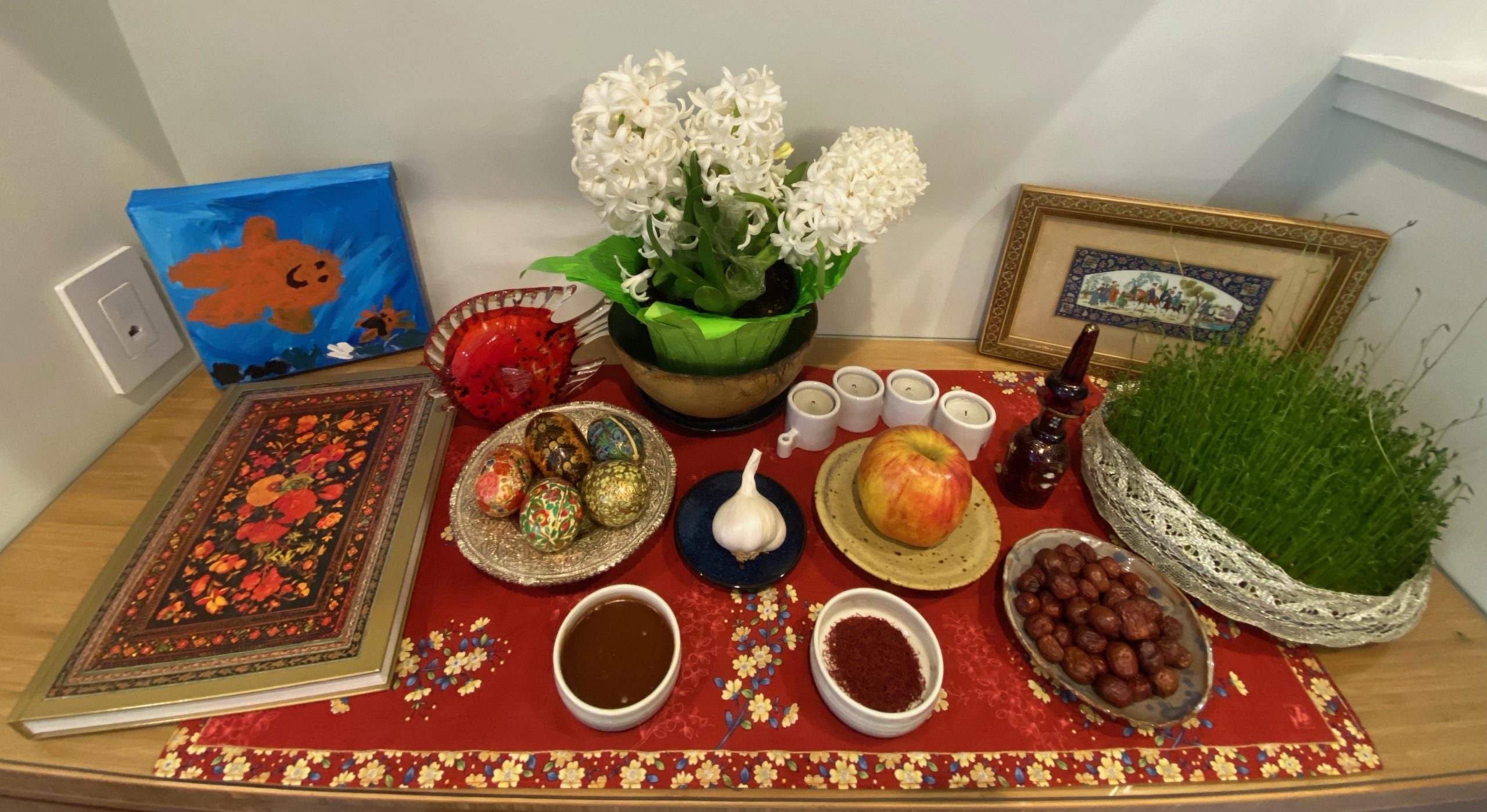
The equinox happens every year like clockwork. Geopolitical relevance does not. We are watching a slow-motion decoupling masked by the scent of saffron and the exchange of pleasantries.
Ignore the greeting. Watch the freight.