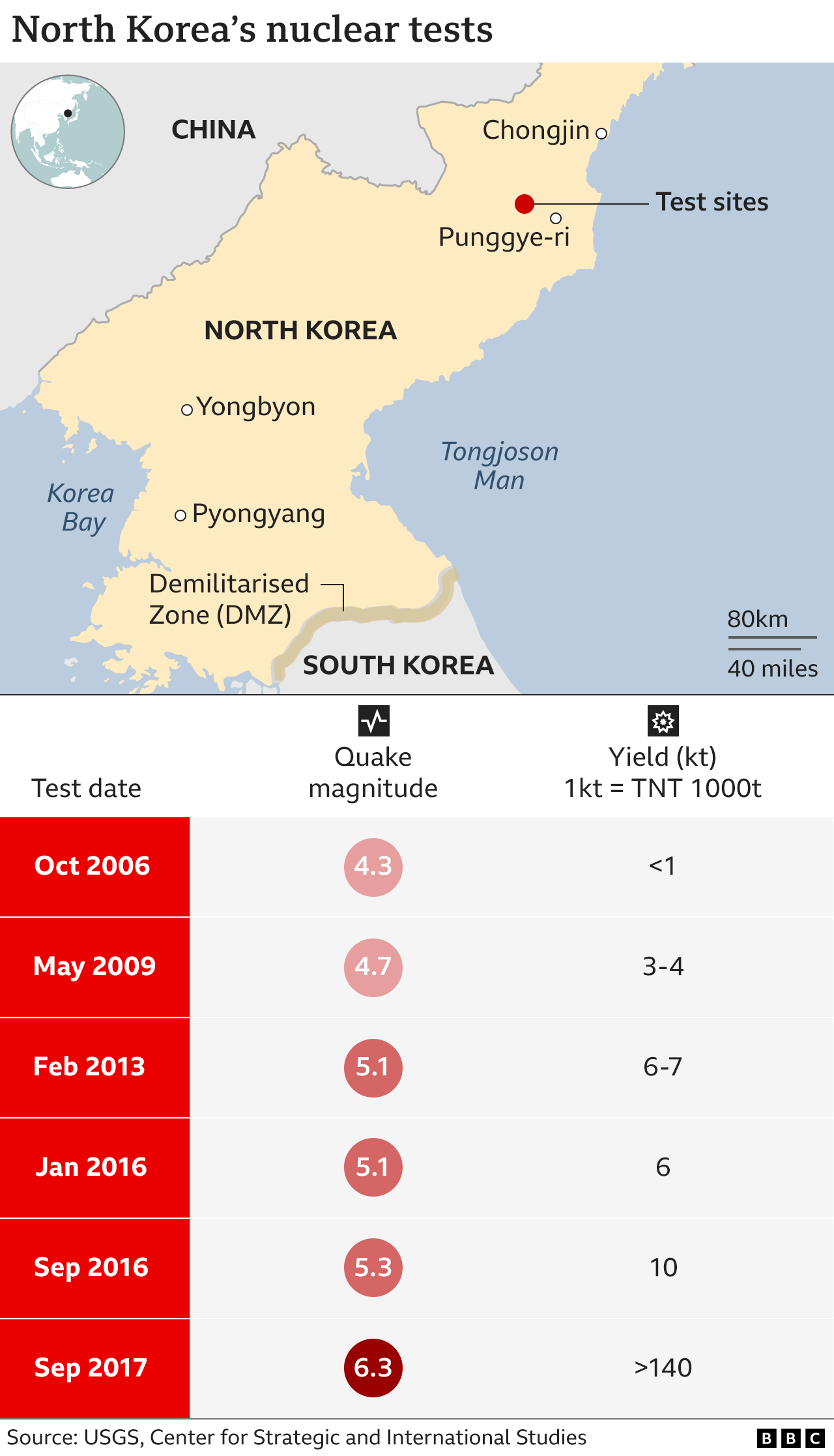
Pyongyang just fired another barrage of short-range ballistic missiles toward the Sea of Japan, proving once again that diplomatic optimism rarely matches reality on the ground. Japanese authorities and South Korea's military tracked roughly ten projectiles flying out of the North Korean capital region, splashing down safely outside Japan's exclusive economic zone. If you follow East Asian security closely, this routine feels painfully familiar. But the timing here tells a completely different story about how geopolitics actually works.
These launches didn't happen in a vacuum. They landed mere hours after Washington announced a substantial reduction in joint military exercises with Seoul, followed quickly by public declarations of a potential upcoming summit. Most casual observers look at these mixed signals and scratch their heads. Why shoot off missiles if leaders are talking about meeting up?
The Reality Behind the Timing
To understand Pyongyang's strategy, you have to ignore the surface-level rhetoric and look at domestic survival and military signaling. North Korea doesn't pause its weapons development just because foreign leaders exchange friendly remarks. In fact, historical patterns show they often ramp up testing right when diplomatic openings appear.
Kim Yo Jong, the powerful sister of North Korean leader Kim Jong Un, made this stance crystal clear. Even when Washington scales back defensive drills to appease Pyongyang, state media commentary routinely labels those concessions inadequate as long as the broader alliance structure remains intact.
- Testing under pressure: The regime uses these launches to validate hardware performance across various flight paths and altitudes.
- Domestic positioning: State media needs to project continuous strength to its domestic audience, balancing economic hardships with technological milestones.
- Negotiating leverage: Firing missiles right before proposed diplomatic talks sets a high-pressure baseline for any future bargaining table.
What Japanese Authorities Track and Why It Matters
When Tokyo's Defense Ministry issues emergency alerts, it is not just an administrative formality. Tracking multiple ballistic missiles traveling over three hundred kilometers requires an instantaneous response from radar networks, maritime patrols, and civil defense systems.
Japan's exclusive economic zone dodged any physical debris this time, but the proximity keeps hazard levels high for commercial aviation and shipping lanes in the region. Local authorities consistently urge fishing vessels and cargo ships to steer clear of uncharted debris fields. It is a high-stakes game of inches where a single miscalculation could transform a routine test into an international crisis.
Looking Past the Headlines
The international community spends an extraordinary amount of time parsing every word uttered by foreign ministers and presidents. Yet, the physical reality on the Korean Peninsula remains governed by solid steel, rocket fuel, and an entrenched arms race. Estimates from defense analysts suggest North Korea's stockpile continues to grow, making every new launch a data point in a much larger, darker trend.
If you want to track where security policy is heading in the region, stop waiting for breakthrough announcements. Watch the launch pads instead. They tell you the truth long before the diplomats sit down at the table.