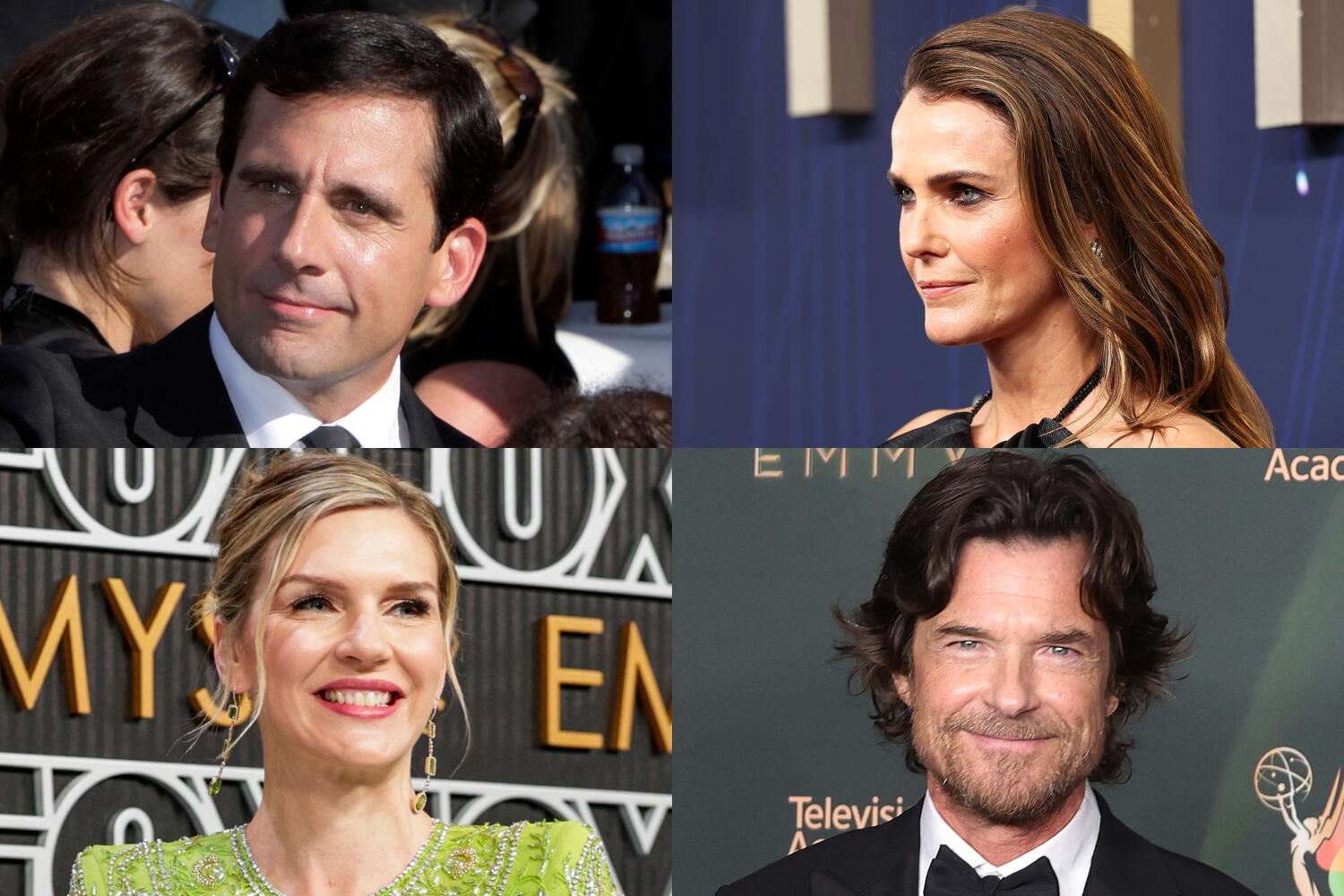
The heavy velvet curtain of autumn had not quite fallen over Los Angeles, but inside the Peacock Theater, time had already stopped. Outside, the asphalt of downtown was still radiating the brutal heat of a September afternoon, slick with the sweat of parking attendants and desperate publicists clutching clipboards like shields. Inside, it smelled of dry ice, expensive hairspray, and the specific, metallic anxiety of people who had spent their entire lives pretending to be someone else, waiting to find out if anyone loved them for it.
This was the 78th annual Emmy Awards.
To the casual observer scrolling past the red carpet livestream on a smartphone, it looked like a parade of impossible symmetry. Custom gowns trailing like liquid gold. Diamond earrings catching the overhead grid lights. Smiles that reached the eyes just long enough for the shutter to click. But anyone who has ever stood backstage in the suffocating dark just before the cameras roll knows the truth. The glamour is just armor. Underneath it, everyone is shivering.
Consider what happens next: the house lights flicker. A collective intake of breath, sharp and synchronized, ripples through two thousand people.
For the nominees sitting in row twelve, the air turns to lead. Months of grueling production schedules, sixteen-hour days on rain-soaked soundstages in Vancouver or Atlanta, missed children's birthdays, therapy sessions paid for by studio residuals—it all funnels down to a thirty-second walk toward a golden statuette holding an atom.
Television has changed. We are no longer gathering around a single glowing box in the living room while a mother yells that dinner is ready. We consume our stories in fractured shards on crowded subways, on glowing tablets in dark bedrooms at three in the morning, weeping over characters who live in dystopian Philadelphia or Regency London. Yet, once a year, the industry forces itself through the old needle's eye. They put on the shoes that pinch. They clap until their palms sting. They pretend that an award can measure the quiet, invisible grace of a scene that made a lonely teenager in Nebraska feel seen for the very first time.
The early arrivals on the carpet had already begun to trade whispers about the front-runners. The limited series categories were bloodbaths this year. You could feel the tectonic plates shifting beneath prestige television. Networks that once played it safe with glossy procedural dramas were bleeding viewers to streaming platforms willing to take terrifying financial gambles on fractured human psyches.
A veteran costume designer standing near the wings adjusted the lapel of an actor she had dressed for twenty years. Her hands were shaking. Not from fear for herself, but from a fierce, maternal protectiveness born of shared trenches.
"They don't know," she whispered to no one in particular, watching the monitors broadcast the opening monologue. "They watch it for two hours and they think it just appears out of the ether. They don't know about the mud. They don't know about the rewrites at 4:00 AM."
That is the hidden cost of the golden age we so casually consume. We treat television as ambient noise, a backdrop for our Sunday nights or our folding-laundry routines. But behind every nominated performance is a human being who had to tear open an old emotional wound, bleed onto a script, and hope the editor didn't leave the best part on the cutting-room floor.
When the first envelope was torn open, the sound was louder than it should have been. A microphone caught the crinkle of heavy cardstock, amplifying it into a small thunderclap.
The winner walked up the steps with that peculiar, deer-in-the-headlights gait that no amount of media training can ever truly erase. They looked out over the blinding sea of black tuxedos and glittering jewels. For a second, the Hollywood sheen cracked. You could see the kid from the rust belt, or the theater major who spent five years sleeping on a friend's sagging pull-out couch in Queens, wondering if the phone would ever ring.
They held the heavy bronze-and-gold winged figure aloft. It was heavy. It weighed nearly nine pounds. But the weight of it was nothing compared to the years of silence that preceded it.
As the night wore on, the predictable cadence of Hollywood self-congratulation gave way to moments of raw, unscripted grace. Speeches stumbled. Jokes bombed and were rescued by genuine, tearful gratitude. Behind the glittering facade, the 78th Emmys became less about the industry's self-importance and more about our collective need for a shared campfire.
We watch television because we are afraid of being alone in the dark. We tune in to watch strangers cry so we remember how to do it ourselves.
The final award of the evening was announced just as the midnight hour approached. The auditorium was half-empty now, the VIPs having slipped away to exclusive after-parties where miniature sliders would grow cold under heat lamps. But the ones who stayed—the grips, the writers, the supporting actors whose names never trend on social media—stood and roared.
Outside, the Los Angeles night air was cool at last. The lights of the Peacock Theater began to dim, one by one, folding back into the concrete jungle of downtown. The gowns were hung in garment bags. The rented diamonds were returned to heavy velvet boxes and locked in safes. The actors washed off the pancake makeup and climbed into backseats of black SUVs, scrolling through their phones to see if the internet thought they looked good.
But somewhere out there, in a quiet bedroom lit only by the blue glow of a tablet, a kid rewinded the same scene three times. They didn't care about the red carpet. They didn't care about the studio politics or the gilded statues. They just saw someone telling the truth, and for the first time all day, the room didn't feel so cold.