Dusk over Peshawar rarely comes quietly. It arrives with the scent of diesel fumes, roasting mutton, and the low, collective rumble of a city holding its breath. For months, the air had been thick with something heavier than dust. It was the weight of an impending collision—an immovable state machinery pressing down against an unstoppable human tide marching out of the rugged northwestern frontier.
Then came the decree. Building on this idea, you can also read: The Structural Mechanics of State Intervention in Khyber Pakhtunkhwa.
Across the country, screens flickered. Words penned in Islamabad sliced through the evening calm: emergency rule. Six months of direct federal oversight. The suspension of an elected provincial administration in Khyber Pakhtunkhwa, a rugged stronghold loyal to the jailed former prime minister, Imran Khan. To the federal coalition, it was a necessary security intervention against mounting regional instability. To the millions who saw their ballots effectively erased overnight, it was a disguised coup.
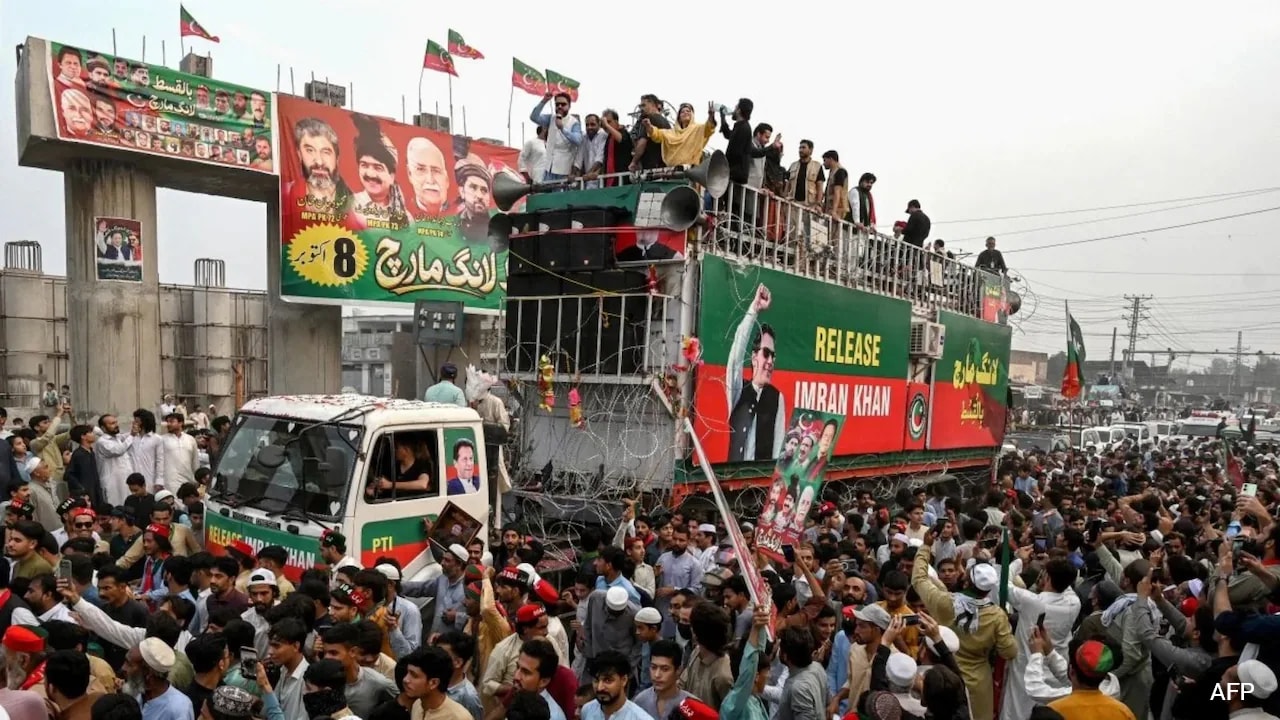
History is rarely made in quiet rooms. It is forged on asphalt highways choked with fluttering red-and-green party flags, beneath the glare of truck-mounted billboards bearing the smiling, defiant face of a leader behind bars. Experts at BBC News have also weighed in on this matter.
Consider the anatomy of this fracture.
In the high mountain valleys and bustling bazaars of Khyber Pakhtunkhwa, politics is personal. When supporters of Pakistan Tehreek-e-Insaf (PTI) began their march toward the capital, they were not merely moving bodies down a road; they were carrying the grievances of an entire demographic that felt alienated from the levers of power since the disputed 2024 elections. To walk was their only remaining language.
The federal response was swift and uncompromising. Federal authorities invoked constitutional articles granting sweeping administrative powers, effectively sidelining local leadership under the banner of counterterrorism. Officials in Islamabad pointed to rising militant violence near the Afghan border, arguing that provincial resources were being funneled into partisan protests rather than intelligence-gathering and infrastructure security.
Yet, logic told a different story to the crowds gathering on the outskirts of towns like Bara. Trust, once broken, cannot be patched with administrative decrees or midnight police detentions.
When police warning shots cracked over the dusty air, they did not disperse the crowd. They hardened it.
Every barricade erected on the roads leading to Islamabad—every shipping container dropped across highways to create a makeshift fortress known locally as "Containeristan"—served as a physical manifestation of a deeper institutional chasm. It is a classic behavioral pattern of political friction: when legal avenues narrow, public defiance swells. The state deploys force to preserve order; the populace interprets that force as proof of systemic fragility.
Behind the political chess matches lie human stakes. Families torn between loyalty to a populist icon and the daily struggle for economic survival find themselves caught in the crossfire. Small business owners in Peshawar watch their markets shuttered by sudden security lockdowns. Students navigate checkpoints where identity cards are scrutinized like passports at an international border. The invisible cost of this political standoff is measured in lost momentum, stifled investment, and a pervasive, grinding anxiety about what tomorrow brings.
The confrontation in Khyber Pakhtunkhwa is more than a regional dispute. It is a stress test for a nuclear-armed nation trying to balance democratic aspirations with deep-seated institutional controls. When a government suspends a provincial setup, it sets a dangerous precedent—one where the ballot box's authority can be overwritten whenever political winds blow too fiercely.
The march continues, even if the feet are momentarily halted by curfews and razor wire. The flags remain folded in pockets, waiting for the next opening in the clouds.
Power can lock the gates, suspend the assemblies, and rewrite the rules of governance under the banner of emergency. But it cannot legislate away the stubborn human memory of a vote cast, nor the enduring belief that the horizon holds something better than the shadow of a barricade.
Imran Khan v Army: Where is this conflict taking the country?
This video provides an in-depth Urdu-language analysis of the escalating institutional conflict between Imran Khan and the military establishment in Pakistan.