The rain in Tel Aviv has a way of turning the asphalt into a mirror, reflecting the neon hum of a city that never quite sleeps. For decades, that hum was punctuated by a very specific sound: the rhythmic, mechanical click-clack of a taxi meter. It was the heartbeat of the urban commute. If you were a driver like Avi—who has spent thirty years navigating the labyrinthine alleys of Jaffa and the high-tech corridors of Rothschild Boulevard—that sound was the tempo of your life.
But the rhythm is changing.
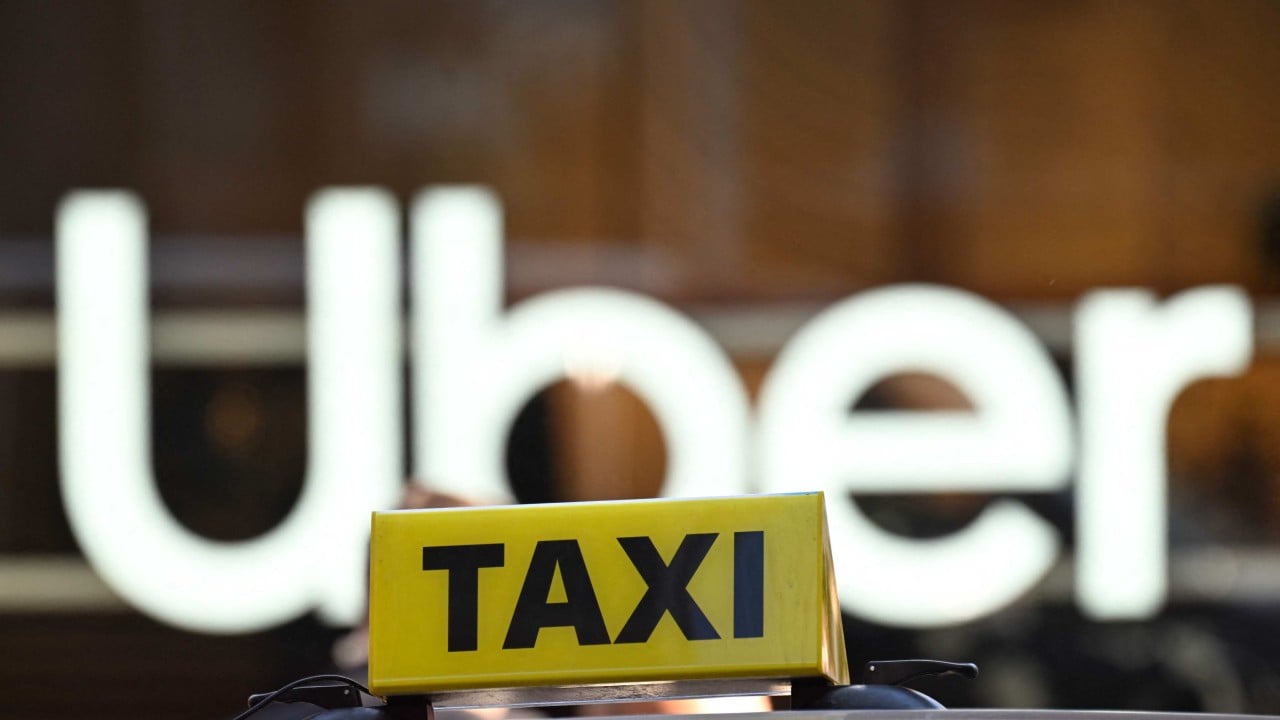
Uber’s recent move to acquire FlyTaxi, Israel's prominent cab-ordering platform, isn't just another line item on a balance sheet. It is a tactical surrender and a brilliant invasion all at once. For years, the relationship between ride-hailing giants and traditional taxi fleets was a blood feud. It was old guard versus new money. Street hails versus algorithms. Now, the walls are coming down because the giants have realized they can’t simply crush the old world. They have to inhabit it.
The Friction of the Street
Think about the last time you stood on a curb, hand outstretched, eyes scanning the sea of white cars for a yellow plastic sign. There is a primal anxiety in that moment. Will they stop? Do they have change? Will they take the long way?
Uber solved the anxiety of the rider, but it created a different friction for the city. Governments began to look at the surge of private cars and saw a ticking clock of congestion and labor disputes. In Israel, the regulatory environment has been a fortress. Unlike the wide-open markets of the early 2010s, the current climate demands cooperation. The Ministry of Transportation isn't interested in a "disruptor" that breaks the system; they want a partner that fits into the existing puzzle.
By swallowing FlyTaxi, Uber isn't just buying software. They are buying the trust of thousands of drivers who, until yesterday, viewed the app as the enemy. They are buying a seat at the table before the new ride-hailing regulations—set to tighten the grip on how private drivers operate—can even be printed on government stationery.
The Driver’s Dilemma
Consider a hypothetical driver named Elias. Elias owns his taxi medallion. It is his pension, his pride, and his primary source of stress. For years, he watched the "black cars" take his airport runs. He felt the sting of every passenger who looked at their phone instead of waving at him.
When a behemoth like Uber enters the fray by purchasing the local infrastructure, Elias faces a choice that feels more like an ultimatum. He can stay in the shrinking pool of traditional street hails, or he can join the platform that once tried to make him obsolete.
The invisible stakes here aren't about convenience. They are about the soul of urban transit. When the "taxi" and the "app" become the same entity, the competition that usually drives prices down and quality up begins to evaporate. We are moving toward a singular, digital gateway for movement. If Uber owns the platform that the taxis use, they own the data, the route, and the relationship.
The Regulatory Chessboard
Why now? The timing is surgical.
Israel has been flirting with major reforms to its transportation laws for months. These regulations are designed to bring order to the chaos, potentially capping the number of private drivers or forcing them to adhere to the same strict insurance and licensing standards as traditional cabs.
If you are Uber, you see the writing on the wall. You can fight the law, or you can become the law. By integrating FlyTaxi’s fleet, Uber secures a massive, pre-vetted, legal army of drivers. They no longer need to worry about whether a "private" driver is following the rules because they now control the very drivers the rules were written to protect.
It is a masterpiece of corporate camouflage.
The Cost of a Seamless World
We often talk about "innovation" as if it is a purely benevolent force. We love the idea that everything should be easier. But every time we remove a friction point, we lose a layer of human agency.
The click-clack of the old meter was transparent. You saw the price grow. You understood the cost of the distance. In the world of surge pricing and hidden service fees, the math becomes a black box. By absorbing FlyTaxi, Uber brings the traditional cab into that black box. The price of your ride home will no longer be determined by a regulated municipal rate alone; it will be nudged by an AI that knows exactly how low your phone battery is and how badly it’s raining.
This isn't a conspiracy. It’s just math.
The acquisition signals the end of the "Wild West" era of ride-sharing. The scouts have finished their work, and now the settlers—with their contracts and their lobbyists—are building the permanent infrastructure. For the passenger, it looks like a win. One app to rule them all. More cars. Less waiting.
But for the city, the stakes are higher. We are handing over the keys to our mobility to a single entity that operates for profit, not public service. When the taxi industry is absorbed by the platform, who speaks for the driver? Who ensures that the "efficiency" of the route doesn't come at the cost of a living wage?
The Reflection in the Window
I remember riding in a cab in Tel Aviv years ago, before the apps took over. The driver argued with his wife on a hands-free set, offered me a piece of gum, and took a shortcut through a construction site that definitely wasn't on any map. It was messy. It was human. It was slightly annoying.
Last night, I opened an app. A car appeared. I didn't speak. The driver didn't speak. We moved through the city like ghosts in a machine.
The FlyTaxi deal ensures that this silence will soon cover the entire industry. The colorful, loud, occasionally frustrating world of the independent taxi driver is being polished. It is being streamlined. It is being bought.
As the regulation looms, Uber has positioned itself not as a rebel, but as the establishment. They have realized that in the battle for the street, the best way to win isn't to outrun the cab—it’s to own the meter.
The rain continues to fall on the Mediterranean coast. The mirrors on the asphalt still glow. But if you listen closely, the heartbeat of the city is sounding a little more digital, a little more calculated, and a lot more controlled. The meter hasn't stopped clicking; it’s just moved into a cloud where we can’t see the gears turning anymore.


