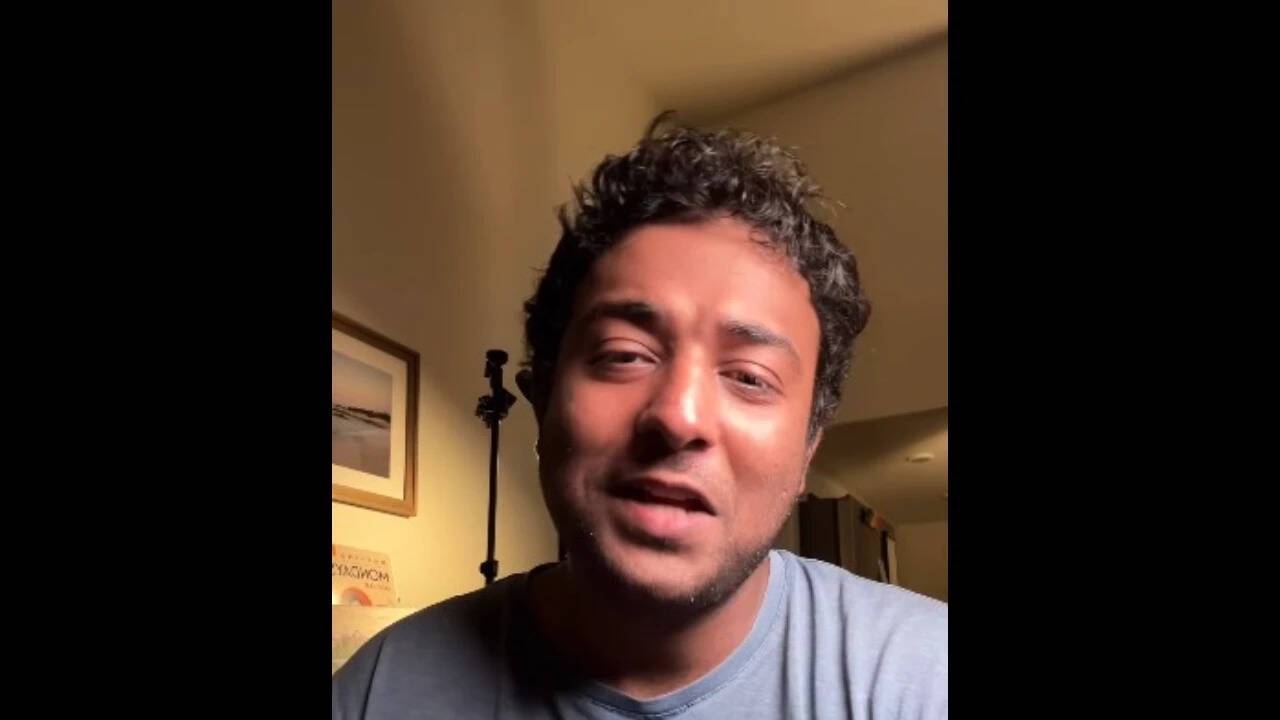
Live orchestral concerts are high-wire acts without a net. When you sync a full symphony orchestra to a movie screening, the margin for error drops to zero. That is exactly what happened during a live-to-film performance of La La Land when the production hit a catastrophic technical snag. The show was grinding to a halt. Then, a highly skilled keyboardist sitting quietly in the audience stepped up to save the entire production.
This was not a rehearsed stunt. It was a pure, chaotic moment of live theater survival that reminds us why real musicians matter.
The Night the Music Almost Died
Live-to-film concerts have become a massive draw for orchestras worldwide. Audiences love hearing Justin Hurwitz’s Oscar-winning score played by seventy musicians while Ryan Gosling and Emma Stone dance on screen. But these shows rely on a complex web of technology. The conductor wears headphones with a click track. The technical crew monitors video sync. And crucial solo instruments—like the piano and synthesizers—carry the emotional weight of the jazz-heavy score.
During this specific performance, the primary keyboard player suffered a sudden, unavoidable issue. Whether it was a sudden medical flare-up or a total gear meltdown, the result was the same. The show could not go on.
Without the intricate piano parts, La La Land loses its soul. The entire show faced cancellation. Hundreds of disappointed fans were about to be sent home with refunds.
That is when a literal savior emerged from the crowd. A professional keyboardist, who just happened to be spending their night off as an audience member, realized what was happening. They did not hesitate. They volunteered, walked backstage, bypassed the usual unions and protocols, and sat down at the keys.
They saved the night.
Why Sight Reading La La Land Is an Absolute Nightmare
To understand how insane this rescue was, you have to understand the music of La La Land. This is not a simple pop score where you can just play a few basic chords and get by. Justin Hurwitz wrote a notoriously difficult, jazz-infused masterpiece filled with complex time signatures, rapid tempo shifts, and highly expressive solo passages.
Think about the main theme, "Mia and Sebastian’s Theme." It starts as a delicate, melancholic waltz. Then it explodes into a furious, fast-paced jazz cadenza. It requires precise finger independence, classical technique, and deep jazz sensibilities.
- The Click Track Factor: In a live-to-film concert, musicians must follow the conductor, who is locked into a rigid digital click track. If the pianist is off by even a fraction of a second, the music mismatches the actors' lip-sync on the giant screen.
- Zero Warm-Up: Most pianists spend hours warming up their hands before tackling a show this demanding. This audience member went from sitting in a cold theater seat to playing complex jazz runs in front of thousands of people within minutes.
- The Psychological Pressure: Staring down a conductor's baton while thousands of paying ticket-holders watch your every move is terrifying. Most musicians would freeze.
The anonymous keyboardist did not just survive the performance; they nailed it. They blended into the orchestra so well that parts of the audience barely realized they were watching an emergency replacement.
What This Proves About the Value of Live Musicians
We live in an era where tech executives claim AI and automation can replace human creativity. This incident proves exactly why that line of thinking is wrong.
A computer cannot read the room. A backing track cannot adapt when a human conductor stretches a musical phrase for dramatic effect. It takes a living, breathing human being with years of dedicated practice to assess a crisis, step into a high-pressure environment, and execute a flawless artistic performance on a whim.
It also highlights the incredible, unsung community of gigging musicians. The level of baseline competence required to sight-read a major Hollywood score with zero rehearsal is staggering. It takes decades of practice, thousands of hours of music theory, and a rare kind of mental grit.
How to Handle Your Own Live Performance Disasters
Most of us will never have to save a symphony orchestra from a technical trainwreck. But if you are a performing musician, a public speaker, or someone who manages live events, crises will happen. Equipment fails. People get sick. Power goes out.
The way this La La Land performance was handled offers a masterclass in crisis management for creatives.
First, the production team kept their cool. They did not immediately panic and cancel the show. They looked for unconventional solutions. Second, the community stepped up. Musicians look out for each other.
If you want to ensure your own live gigs can survive a worst-case scenario, you need to build redundancy into your workflow.
Always keep a physical book of charts or charts saved offline on an iPad. Never rely solely on a cloud connection. If you use backing tracks or software instruments, have a secondary playback device booted up and ready to switch at the press of a button. Most importantly, build a network of local musicians you trust. Keep a shortlist of emergency subs who can read music quickly and handle pressure. You never know when you will need someone to swoop in and save your show.