The air inside Rogers Place always carries a certain weight, a collective anxiety born of expectations that stretch as high as the rafters. Edmonton is a city that breathes hockey, exhaling sighs of relief or gasps of frustration with every shift. Lately, those sighs had turned heavy. The whispers in the concourses weren't about high-flying offensive wizardry or Connor McDavid weaving through defenders like ghosts. No, the talk was about holes. Leaks. A defensive structure that seemed to dissolve under the slightest pressure, leaving goaltenders stranded like lighthouse keepers in a storm.
Then came the Seattle Kraken.
For forty-eight hours leading up to the puck drop, the narrative was inescapable. The Edmonton Oilers were searching for answers. They were a team built to outscore their mistakes, yet the mistakes were piling up faster than the goals. You could feel the tension radiating from the bench, a tight-lipped focus that bordered on desperation.
Enter the opening whistle.
Hockey is a game of chaos wrapped in razor-thin margins of geometry. A fraction of a second late on a backcheck, a stick held too high, a gap left wide open in the slot—and the red light is flashing. But sometimes, a team looks into the mirror and decides enough is enough.
From the very first shift, something shifted in the defensive zone. The gaps closed. The sticks were active, shooting out into passing lanes like steel bars. When Seattle tried to cycle the puck along the boards, they found a red-and-white wall waiting for them, refusing to budge. It wasn't flashy. There were no highlight-reel body checks that rattled the glass. Instead, it was an education in quiet efficiency.
Consider what happens when a team commits to the dirty work.
Darnell Nurse didn't try to play hero. He kept his feet moving, absorbed contact in the corners, and cleared the crease with authority. Stuart Skinner, watching the play unfold in front of him, suddenly found himself seeing pucks cleanly instead of through a forest of screening bodies. That makes all the difference. When a goaltender can track the release from stick to glove, panic turns into poise.
The Kraken pushed back, as any NHL team will. They found brief moments of momentum in the second period, testing the Oilers' resolve. But every time the pressure mounted, an Edmonton sweater was there to block a lane, deflect a centering pass, or clear the loose rubber away from danger. It was a masterclass in collective accountability.
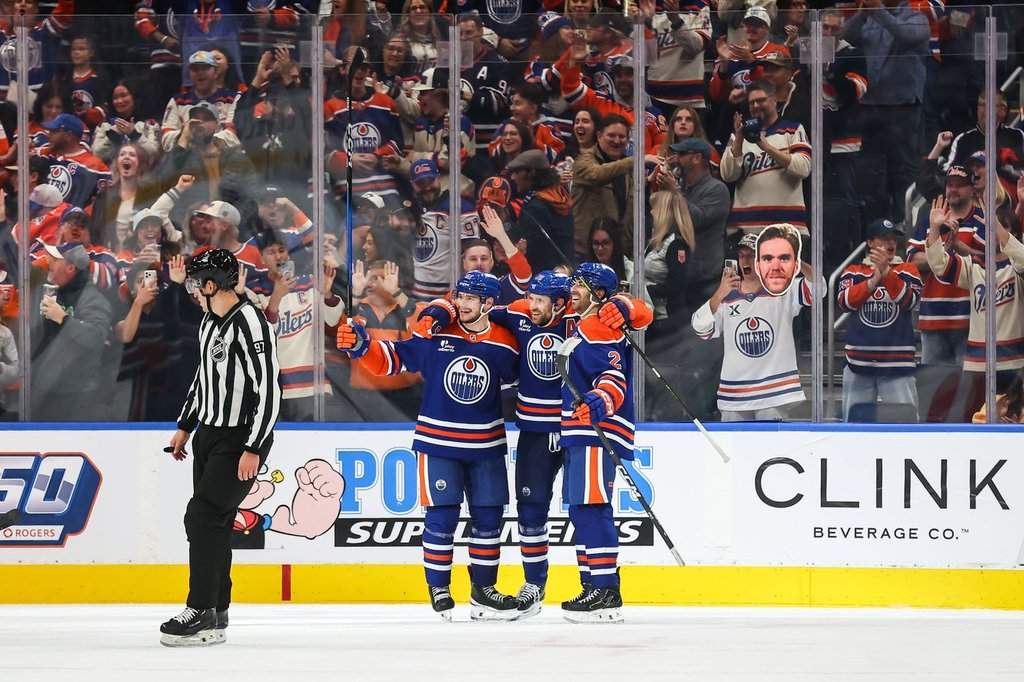
By the time the final horn sounded, sealing a hard-fought victory, the celebration on the ice wasn't the wild, chaotic jumping of a team that had just escaped by the skin of its teeth. It was a nod of quiet satisfaction. A collective exhale.
The defense had held. The footing had been found. And for one crisp night in northern Alberta, the ice beneath their skates felt solid enough to build on.