The first thing you notice isn't the darkness. It is the silence.
In Havana, the background radiation of life is a mechanical hum. It is the rattle of a 1950s Chevy Bel Air coughing blue smoke, the rhythmic thrum of a Soviet-era fan fighting the Caribbean humidity, and, most importantly, the low-frequency vibration of the power grid. When that hum dies, the silence feels heavy. It feels like a physical weight pressing against your eardrums.
On a humid afternoon, the Antonio Guiteras power plant—the aging heart of Cuba’s electrical system—gave up. It didn’t just flicker. It collapsed. Within minutes, ten million people were disconnected from the modern world. This wasn't a localized blackout or a scheduled "affectation," as the government euphemistically calls them. This was a total system failure.
Imagine Maria. She is a hypothetical grandmother in Central Havana, but she represents a million very real stories. When the lights went out, her first instinct wasn't to check the news; she couldn't. Her first instinct was to open her freezer. In a country where food is scarce and prices are astronomical, a piece of chicken is not just a meal. It is an investment. It is a week of sacrifice stored in a block of ice. As the ice began to weep, Maria began to mourn.
The collapse of a national grid is a technical event, but its consequences are visceral. It is the smell of spoiling meat. It is the sound of a child crying because the heat is a suffocating blanket. It is the sight of an entire city sitting on their doorsteps in the pitch black, looking at a sky suddenly crowded with stars they haven't seen in decades, wondering if the lights will ever come back on.
The Anatomy of an Implosion
To understand why the lights went out, you have to look at the bones of the island. Cuba’s energy infrastructure is a Frankenstein’s monster of Cold War relics and desperate patches. The power plants are old. Very old. Most have exceeded their thirty-year lifespan by a decade or more. They are being asked to run a marathon while suffering from chronic malnutrition.
The malnutrition is literal. These plants run on crude oil, but they need specialized parts to keep the turbines spinning. This is where the geopolitical friction meets the metal. Because of the long-standing US blockade—the "embargo"—obtaining these parts is a logistical nightmare.
Consider the "Blockade Premium." If a technician in Matanzas needs a specific seal for a boiler, they can’t just order it from a supplier in Florida, ninety miles away. They have to find a third-party seller in a different hemisphere willing to risk secondary sanctions. The part travels halfway around the world, hidden in layers of shell companies, and by the time it arrives, the cost has tripled.
This isn't just about politics. It’s about the physics of decay. When you cannot maintain a machine, it breaks. When you cannot afford the high-quality fuel the machine was designed for, you feed it heavy, sulfurous Cuban crude that corrodes the pipes from the inside out.
The grid didn't just fail because of a single broken pipe at Antonio Guiteras. It failed because the entire system has been cannibalizing itself for years. Every time a technician takes a part from a dormant plant to fix an active one, the margin for error shrinks. On that Friday afternoon, the margin finally hit zero.
The Invisible Stakes of a Darkened Screen
In the West, we think of a blackout as an inconvenience. We find the candles, we wait for the WiFi to return, and we complain on social media. In Cuba, a total blackout is a severance of the social contract.
Modern life is digital, even in a command economy. Without electricity, the pumps that move water to the upper floors of apartment buildings stop. The gas stations cannot pump fuel. The hospitals switch to generators, watching the fuel gauges with the intensity of a pilot flying on empty.
But there is a deeper, more psychological cost.
Information becomes a currency. When the grid dies, the internet dies with it. Rumors begin to circulate in the dark like ghosts. Did the whole island go dark? Is the water coming back? Did the tankers from Venezuela arrive? Without a reliable source of truth, the darkness is filled with anxiety. People walk to the Malecón—the city's sea wall—not for the view, but for the breeze. Inside the concrete houses, the heat is a stagnant pool.
The government blames the blockade. Washington points to internal mismanagement. The truth is a messy, inextricable knot of both. Yes, the central planning is rigid and often inefficient. But trying to run a 21st-century economy under a 1960s-era blockade is like trying to win a Formula 1 race while someone is pouring sand into your engine.
The Cost of a Cold Stove
For many Cubans, the transition to "energy sovereignty" meant trading gas stoves for electric induction burners provided by the state years ago. It was marketed as progress. Now, it looks like a trap.
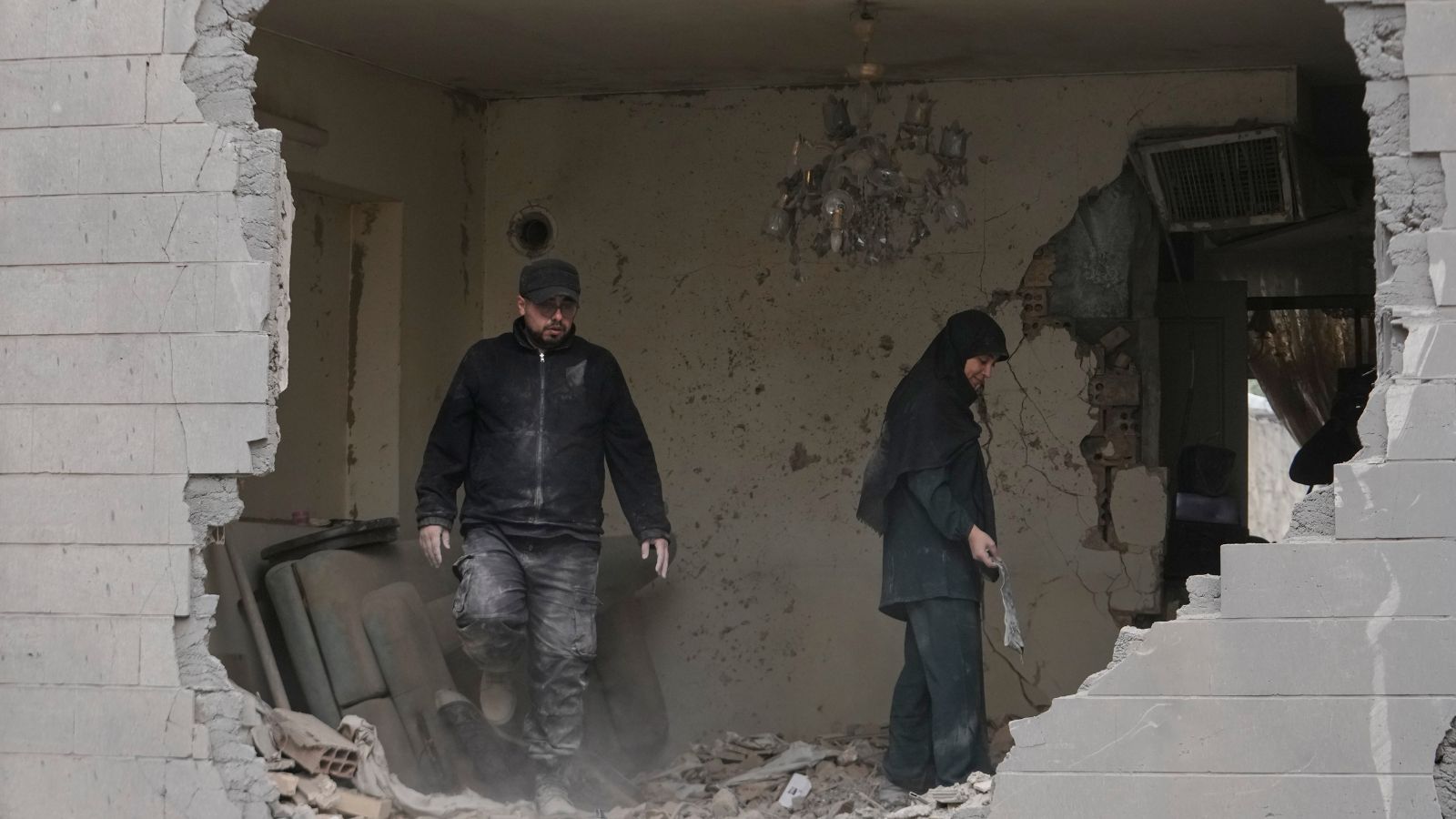
Think of a young father trying to boil water for a baby’s formula. He has no gas. The induction hob is a dead piece of glass. He goes to the street, scavenges for wood or charcoal, and builds a fire on the sidewalk. This is the regression. In the shadow of a shuttered biotechnology hub or a grand university, people are cooking over open flames in the gutters.
The economic loss is uncalculable. Small businesses—the mipymes that were supposed to be the engine of a new Cuban economy—watch their inventory rot. A private butcher shop loses its entire stock in forty-eight hours. A small cafe owner, who spent years saving for a commercial refrigerator, watches the compressor burn out as the voltage fluctuates wildly during the brief, teasing moments when the power tries to return.
These aren't just statistics. They are the death of dreams. They are the reason why the younger generation looks at the dark horizon and sees no future. The "energy crisis" is a dry term for a very wet reality: the sweat of a sleepless night and the tears of a business owner watching their life’s work melt into a puddle of lukewarm water.
The Resilience of the Shadow
There is a word Cubans use: resolver. It means to solve, but it implies a level of MacGyver-like ingenuity born of absolute necessity.
During the blackout, you see the resolver in action. Neighbors share a single charcoal grill. Someone with a car battery manages to rig a small LED light so the kids in the building can see to eat. There is a communal stoicism that is both inspiring and heartbreaking. They are experts at surviving the impossible.
But resilience is a finite resource. You can only patch a tire so many times before there is no rubber left.
The grid is currently being coaxed back to life. It is a delicate, agonizing process. You cannot simply flip a switch to turn a country back on. You have to balance the load, syncing the frequency of different plants across hundreds of miles. If one area draws too much power too quickly, the whole thing trips again. It is a symphony where every instrument is out of tune and the conductor is working in the dark.
The lights will eventually stay on—for a while. But the fundamental problem remains. The tankers are still delayed. The parts are still blocked. The pipes are still rusting.
As the sun sets over Havana, the people look at the streetlights. When the orange glow finally flickers to life, there is no cheering. There is only a collective, weary sigh of relief. They know this isn't the end of the story. It is just an intermission.
The hum has returned, but it sounds more like a rattle than a song. Everyone is listening, waiting for the silence to fall again.
A father sits on his porch, watching the lights of a distant hotel—the ones that always stay on, powered by their own private fuel reserves. He holds a transistor radio to his ear, hunting through the static for a signal, any signal, that tells him tomorrow will be different. But the static is all he finds. It is the sound of an island caught between a stubborn past and an uncertain future, praying for the dawn while the fuses continue to blow.
The darkness isn't just a lack of light; it's the weight of knowing that in the morning, the struggle to find bread and water begins all over again, only now, the ice has melted.