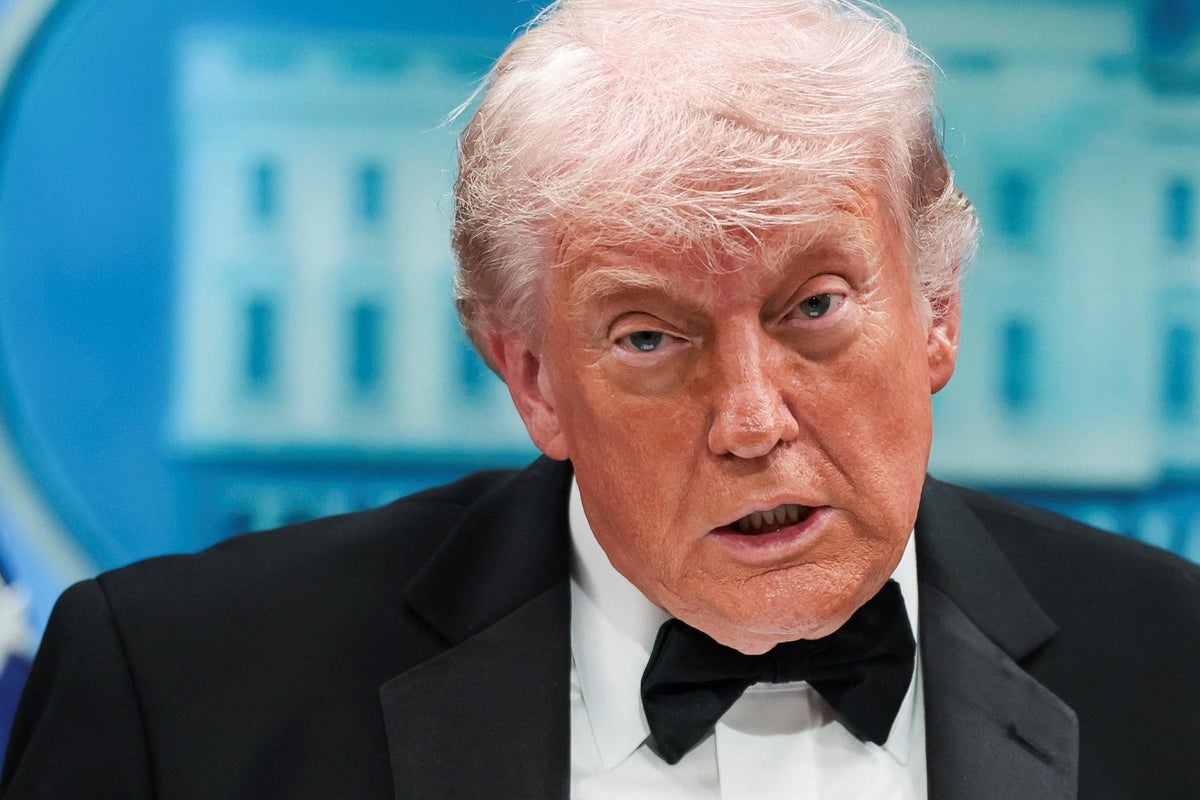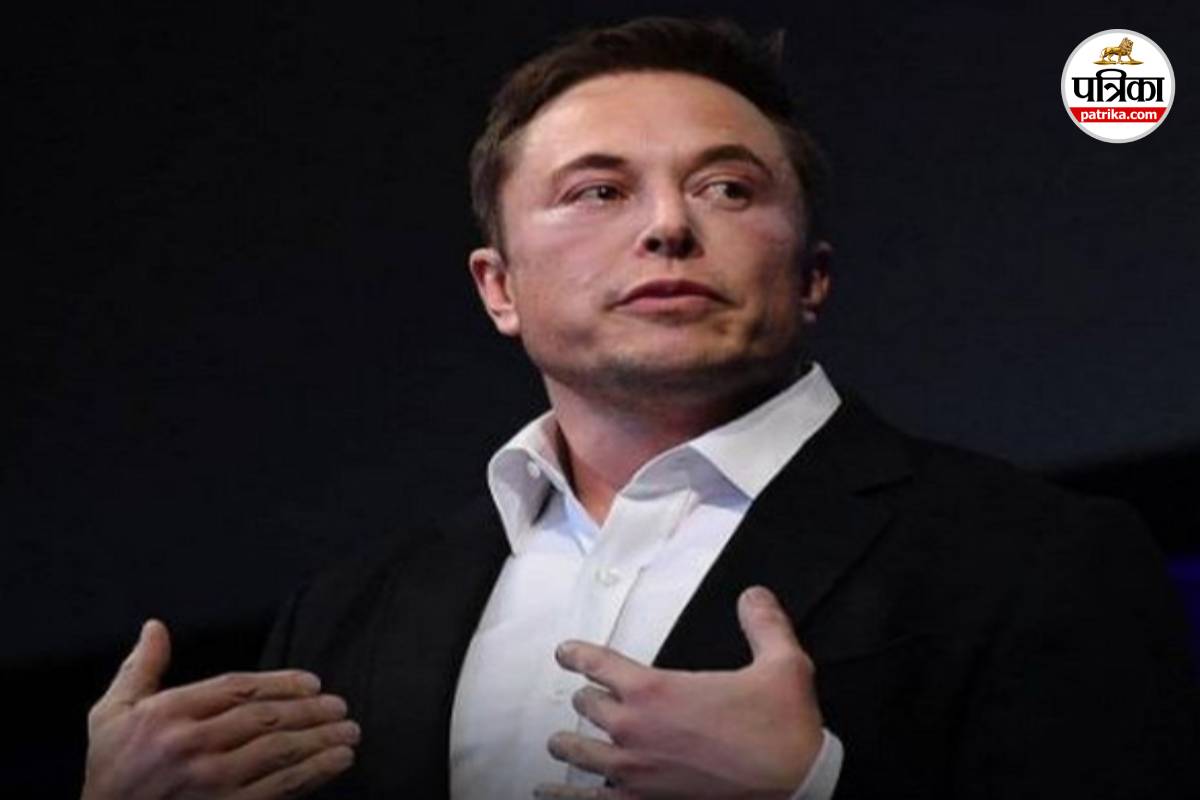
The air in Butler, Pennsylvania, didn’t smell like Silicon Valley. It didn’t carry the sterile scent of server rooms or the crisp ozone of a rocket launch pad. It smelled of cut grass, diesel exhaust, and the heavy, humid anticipation of a summer rally. Then, the cracks rang out. They were thin sounds, brittle against the roar of the crowd, but they carried enough weight to shift the axis of American power in less than a second.
Elon Musk wasn’t there, not physically. He was likely behind a screen, perhaps moving between the high-stakes engineering hurdles of SpaceX or the brutal balance sheets of X. But when that bullet grazed Donald Trump’s ear, the distance between the digital ether and the jagged reality of political violence vanished. The man who spends his life trying to colonize Mars suddenly found himself anchored to a very old, very terrestrial struggle.
The Moment the Algorithm Stopped
For years, the relationship between the world’s richest man and the former president was a dance of convenience and occasional friction. It was a digital skirmish fought in 280-character bursts. But the moment blood hit the stage in Pennsylvania, the dance ended. Musk didn't just post a message of support; he underwent a public metamorphosis.
He didn't offer a polished PR statement. He offered an endorsement that felt like a battle cry.
When Musk shared the footage of a defiant, fist-pumping Trump, he wasn't just reacting to a news event. He was signaling a total alignment of two of the most disruptive forces in modern history. The tech mogul, who usually obsesses over the survival of consciousness through AI and multi-planetary expansion, was now fixated on a singular, breathing human being. He saw a man who, in his eyes, had stared down death and refused to blink.
The Guard at the Gate
Consider the mindset of a Secret Service agent. It is a job defined by the "human shield" philosophy—the literal willingness to catch a bullet for an idea represented by a person. Musk’s subsequent commentary moved beyond simple sympathy. He began to speak about the stakes of the presidency as if it were a mission-critical launch.
He began highlighting reports and whispers about the lengths to which people would go to stop the movement Trump represents. Musk didn't just mention the shooter; he pointed toward a darker, more systemic desperation. He suggested that there are those who would give their lives—not to protect the president, but to end him.
This isn't just political rhetoric. It is a fundamental shift in how the masters of technology view the machinery of the state. Musk’s world is built on physics. In physics, if a rocket explodes, you find the faulty valve. You fix the code. But in the theater of political violence, the "faulty valve" is human intent, and the "code" is a fractured national psyche.
When Logic Meets Lead
Musk has often spoken about the "civilizational risk" of declining birth rates or runaway artificial intelligence. These are abstract, looming shadows. A sniper on a rooftop is different. It is visceral. It is a 5.56mm reminder that all the wealth and technological progress in the world can be undone by a single person with a cheap rifle and a clear line of sight.
The tech community watched this in a state of shock. For decades, the titans of industry stayed in the shadows, donating to PACs and playing both sides of the aisle to ensure favorable regulation. They were the architects of the "soft power" era. Musk has shattered that mold. By leaning into the chaos of the assassination attempt, he has signaled that he no longer believes in the safety of the middle ground.
He is betting on strength.
He sees in Trump a mirror of his own "wartime CEO" mentality. When Tesla was weeks away from bankruptcy during the Model 3 ramp-up, Musk slept on the factory floor. He lived in a state of perpetual crisis. He recognizes that same frequency in a political figure who survives an attempt on his life and stands up to shout "Fight."
The Invisible Stakes of the Endorsement
Why does a man with $250 billion care so much about a rally in a town he’s never lived in?
It’s about the trajectory of the future. Musk believes we are at a fork in the road. One path leads toward a managed, bureaucratic decline—a world of "safe" ideas and stifled innovation. The other path, the one he sees Trump walking, is messy, confrontational, and wildly unpredictable.
To Musk, the attempt on Trump’s life wasn't an isolated act of a lone madman. He framed it as the logical conclusion of a culture that has demonized its opposition to the point of erasure. When he talks about people being "ready to give their lives" to kill a candidate, he is describing a society that has lost its grip on the "live and let live" philosophy that allowed the Silicon Valley miracle to happen in the first place.
He is scared. Not for his bank account, but for the "light of consciousness."
If the most powerful nation on Earth descends into a cycle of political assassinations, the mission to Mars dies. The transition to sustainable energy dies. The dream of a high-tech utopia is replaced by the grim reality of a low-tech civil war.
The New Alliance of Iron and Silicon
The aftermath of the Butler shooting has created an alliance that would have seemed impossible a decade ago. It is a union of the rust belt and the server farm. Musk is no longer just a "car guy" or a "rocket guy." He has become a political kingmaker who views the survival of his preferred candidate as a prerequisite for the survival of the species.
He has started to peel back the curtain on his own security concerns, too. If "they" are coming for Trump, who else is on the list? The man who bought X to "restore free speech" knows he has a target on his back. He has mentioned the increase in threats against his own life.
The stakes are no longer about tax breaks or environmental credits. They are about the physical safety of the people who hold the steering wheel of history.
Musk’s obsession with the Butler incident reveals a man who has realized that his rockets can’t fly if the ground beneath them is burning. He is looking at the political landscape not as a donor, but as an engineer trying to stabilize a collapsing structure.
The Weight of the fist
The image of Trump’s fist in the air, framed by the American flag and streaked with blood, has become the defining icon of this era. For Musk, it was a data point. It was proof of resilience under extreme pressure.
He didn't see a politician. He saw a system that refused to crash.
As the election approaches, the rhetoric will only sharpen. The "cold facts" of the investigation—the range of the shot, the failure of the perimeter, the background of the shooter—will be debated in committees and on cable news. But for Musk, the conclusion is already written.
He has chosen his side in the arena.
He is no longer content to build the future in a vacuum. He has realized that the future is being fought for right now, in the dirt, under the hot sun of Pennsylvania, and in the dark corners of the internet where desperation turns into violence. The man who wants to save humanity by taking it to the stars has decided that, for now, the most important battle is happening on the ground.
The bullet missed by millimeters. The trajectory of the world changed by miles.
Musk isn't just watching the news anymore. He is trying to rewrite the script before the next shot is fired. The billionaire has traded his lab coat for a flak jacket, figuratively speaking, because he understands a truth that many in his tax bracket are too afraid to admit: all the code in the world is useless if the person writing it isn't allowed to exist.
The silence after the shots in Butler was the loudest thing Musk had ever heard. It was the sound of a world that could end not with a bang of a dying sun, but with the snap of a trigger in a field of dry grass.