The coffee in the Művész Café tasted like copper and old nerves. Across the table, a man named Gábor—a teacher who has spent a decade watching his salary evaporate while the billboards in Budapest grew more neon and more aggressive—kept checking his phone. His thumb hovered over a telegram group that had been silent for twenty minutes. Outside, the April wind whipped off the river, carrying the scent of rain and diesel.
For years, the story of Hungary has been written in a single, unmoving ink. It was the story of Viktor Orbán, a man who didn't just lead a country but seemed to have swallowed its institutions whole. To live in Hungary was to live in a house where the windows had been painted shut. You knew there was a world outside, but the air inside was the only air you were allowed to breathe.
Then came the numbers.
The early returns from the polling stations started trickling in like water through a cracked levee. At first, it was a drip. A few districts in the capital. Then, the drip became a pulse. The opposition—a patchwork quilt of ideologies held together by the thin thread of wanting something different—wasn't just competing. They were winning.
The Architecture of a Shiver
To understand why a lead in an early vote count feels like a seismic shift, you have to understand the weight of the status quo. In many democracies, an election is a change of clothes. In Hungary, it has felt like a change of skin. Orbán’s Fidesz party has spent fourteen years perfecting a system of "illiberal democracy," a term that essentially means the game is rigged to ensure the house always wins.
They controlled the airwaves. They controlled the courts. They controlled the narrative of what it meant to be a "true Hungarian."
But the "house" didn't account for the exhaustion. Gábor told me about his classroom, where the textbooks were increasingly filled with state-mandated pride and decreasingly filled with the tools his students needed to survive a global economy. He spoke of the "brain drain," a polite term for the way Hungary’s brightest young minds were packing suitcases for Berlin, London, and Vienna.
"It’s not just about the money," he said, his voice dropping as a group of tourists walked past. "It’s the feeling that the future has already been decided for you. It’s like being a character in someone else’s autobiography."
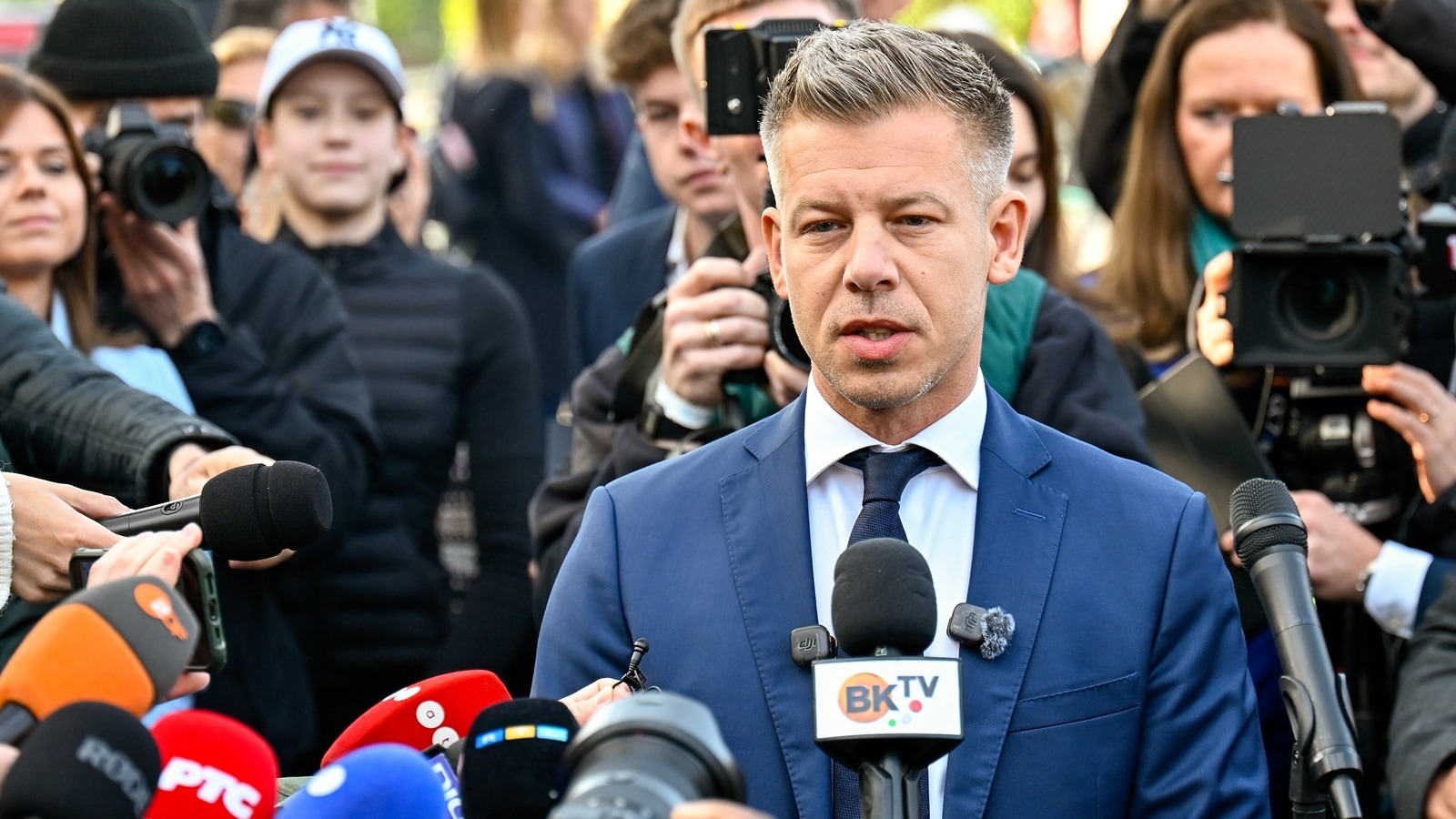
As the evening progressed, the numbers on the screen at the front of the café shifted again. The opposition party, led by a coalition that many pundits had written off as too fractured to function, maintained a narrow but steady lead. The air in the room changed. It wasn't joy yet—that would be too dangerous—but it was a collective intake of breath.
The Invisible Stakes
The data tells a dry story: percentage points, margins of error, seat distributions. But the data is a ghost. The reality is found in the rural villages where the state-run television is the only source of news, and in the bustling squares of Pest where university students have been sleeping in shifts to guard ballot boxes.
The stake isn't just a seat in Parliament. The stake is the definition of sovereignty. For a decade, the Prime Minister has framed every challenge to his power as a foreign invasion—Brussels, Soros, the "woke" West. He built a fortress of rhetoric. Yet, the early returns suggest that the call for change isn't coming from outside the walls. It’s coming from the kitchen tables. It’s coming from people who are tired of being told that their struggle to pay for heating is a patriotic sacrifice.
Consider a hypothetical woman named Elena. She lives in a small town three hours from Budapest. She has voted for Fidesz in every election since 2010. She likes the idea of a strong Hungary. But this year, her grandson told her he wasn't coming home for Christmas because he found a job in Munich and couldn't afford the flight back, and the hospital where she gets her blood pressure checked has a six-month waiting list for a basic scan. When Elena walked into that polling booth, the grand narratives of national struggle felt very far away. The empty chair at her dinner table felt very close.
If the early lead holds, it won't be because a masterpiece of political strategy was executed by the opposition. It will be because millions of Elenas decided that a fortress is just another word for a cage.
The Anatomy of a Trailing Giant
Seeing Orbán’s name in the "trailing" column is a visual glitch for most Hungarians. It’s like seeing the sun set in the north. Since 2010, his grip has been so absolute that the very idea of him losing felt like a category error.
The strategy was simple: dominate the media, redraw the voting districts to favor the ruling party, and use state funds to drown out any dissenting voice. It was a "robust" system—to use a word I despise—because it was built to be unbreakable.
But systems built on absolute control have a fatal flaw. They are brittle. They don't know how to bend. When the inflation rate soared and the European Union began freezing funds over concerns about the rule of law, the cracks started to show. You can tell people they are living in a Golden Age for a long time, but eventually, they notice the gold is just yellow paint, and it’s peeling.
The opposition’s lead is more than a statistic; it is a psychological rupture. It proves that the "unbeatable" machine has a reverse gear.
The Longest Night
By 11:00 PM, the café was packed. People weren't talking much. They were staring at their phones, watching the map of Hungary turn colors that hadn't been seen in over a decade.
There is a specific kind of silence that happens when a country realizes it might be on the verge of a different life. It’s a heavy, vibrating quiet. It’s the sound of a heart beating in the throat.
Gábor finally put his phone down. His hands were shaking, just a little. "They will fight," he whispered. "The results are early. They will find a way to pivot. They will challenge the counts. They will use every lever they have left."
He was right. A lead in the early count is not a victory. It is a target. In the hours following these initial returns, the machinery of the state will undoubtedly begin to churn. There will be accusations of fraud, there will be late-night legal maneuvers, and there will be a desperate attempt to recapture the narrative before the sun rises.
But something has already happened that cannot be undone.
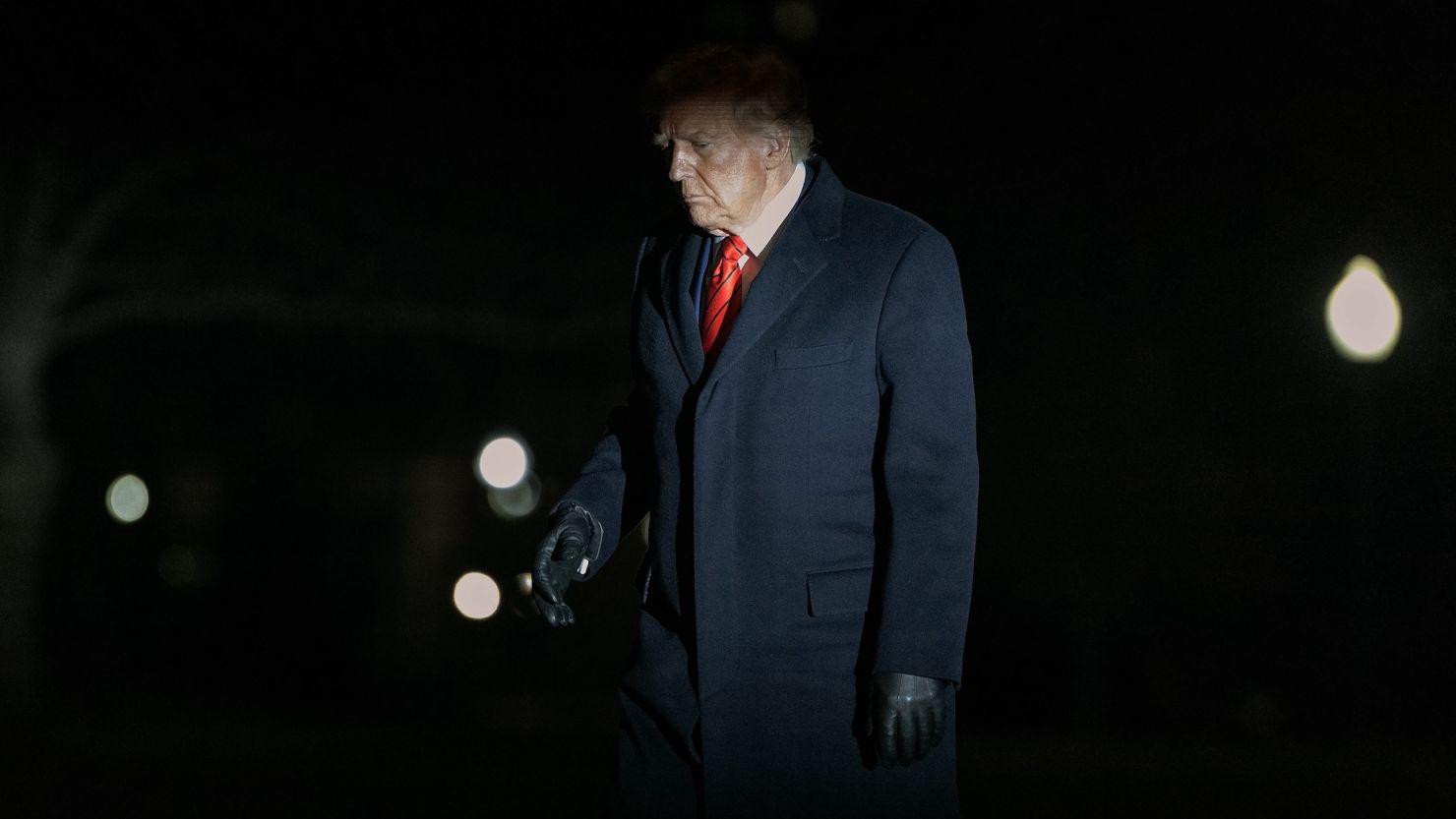
The spell of inevitability has been broken. For fourteen years, the prevailing wisdom was that Orbán was the weather—something you could complain about, something you could prepare for, but something you could never change. Tonight, for the first time, he looks like a man. Just a man, standing on a stage, watching the numbers move against him.
The River Doesn't Care
I walked out of the café and toward the Chain Bridge. The Danube was dark, moving with a cold, indifferent power.
History is often told as a series of grand movements, of Great Men and Great Deeds. But history is actually made of moments like this: a teacher in a café, a grandmother in a voting booth, and the sudden, terrifying realization that the future is actually unwritten.
The early results show an opposition leading and a Prime Minister trailing. Whether those numbers hold through the dawn is almost secondary to the fact that they existed at all. The myth of the permanent mandate has been shattered.
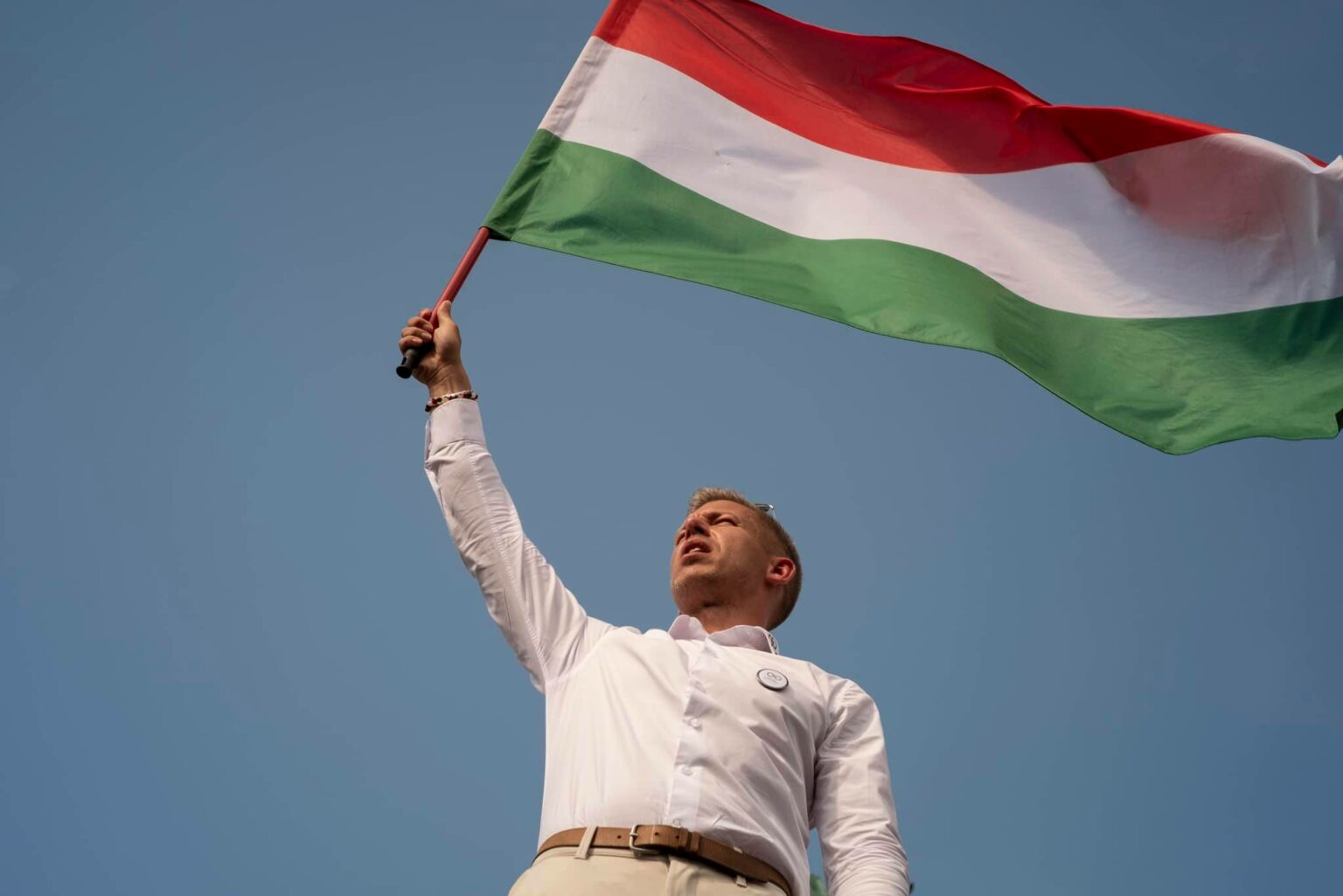
As I stood by the water, I saw a group of young people running toward Kossuth Square, carrying a flag. They weren't shouting. They were running with a kind of urgent, quiet purpose, as if they were afraid that if they stopped, the moment would vanish.
The lights of the Parliament building reflected on the surface of the river, shimmering and unstable. For the first time in a generation, the building looked less like an ancient, immovable mountain and more like a house. And in that house, the lights were staying on late into the night.
The people of Hungary are waiting. They have learned to be patient, and they have learned to be cynical. But tonight, as the polls close and the tally continues, they are doing something much more dangerous.
They are watching the count. And they are beginning to imagine what happens when the paint on the windows finally starts to scrape away.