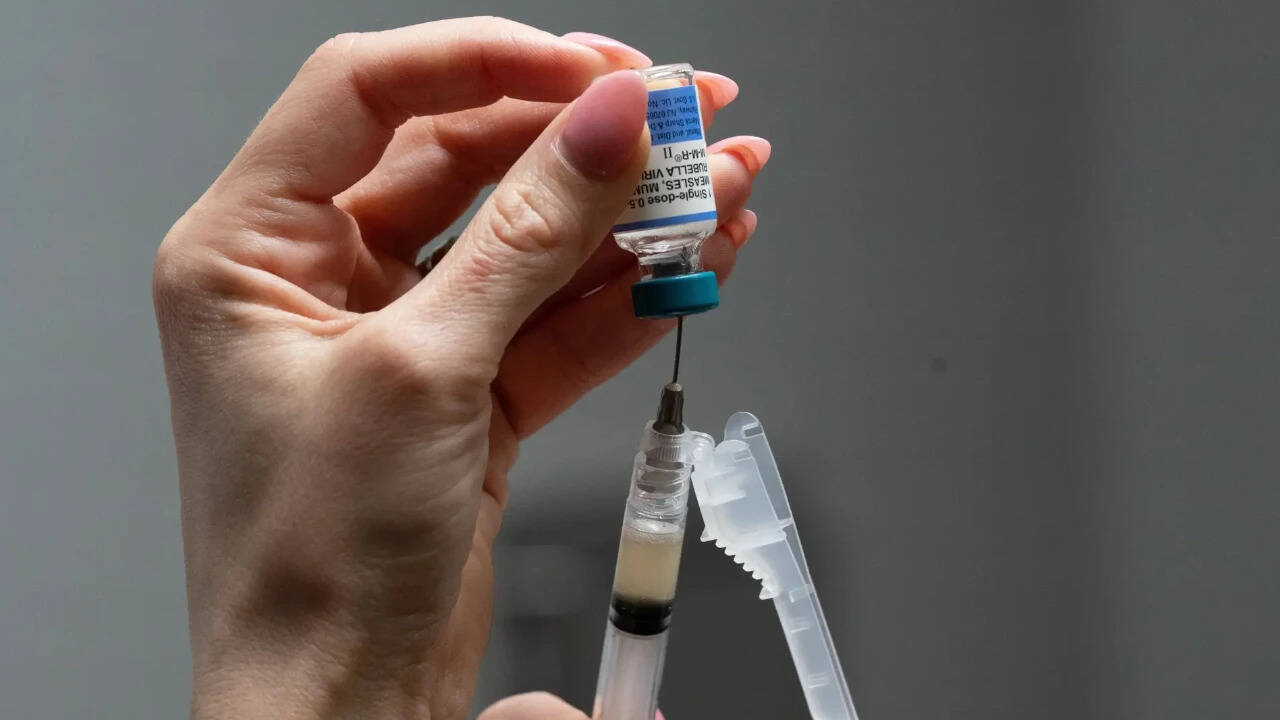
When a disease we conquered decades ago forces a state of emergency, you know something has gone terribly wrong. Governor Kathy Hochul didn't pull numbers out of thin air when she signed an executive order establishing a disaster emergency across New York. The state hit 108 confirmed measles cases, marking the highest surge since the tense 2019 outbreaks.
Most people think measles is just a childhood rash that goes away with rest. It isn't. It is an aggressive, airborne virus that lingers in a room long after an infected person leaves. When vaccination coverage slips even a fraction below herd immunity thresholds, the virus cuts through populations like wildfire.
The Reality Behind the Rural Spread
While urban centers often get blamed for health crises, this specific spike centers heavily on rural communities. Places like the Finger Lakes region and rural counties bordering other hotspots are seeing numbers climb because localized vaccination rates have cratered. In spots like Yates County, fewer than 53 percent of toddlers have received their first routine shot by age two.
That is not just a dip; it is an open door for an epidemic. Public health experts have warned for years that slipping compliance creates predictable consequences. Measles requires roughly 95 percent community immunity to keep transmission chains dead. Once coverage drops below that line, outbreaks stop being random bad luck and start becoming mathematical certainties.
What the Emergency Order Actually Does
An executive order sounds dramatic, but it serves a very specific administrative purpose. Under the New York directive, the state temporarily bypassed standard red tape to mobilize resources and streamline reporting.
Healthcare providers and clinics gained the authority to issue non-patient-specific standing orders, letting nurses rapidly administer vaccines without waiting for individual doctor appointments. The state also mandated that any MMR vaccination be reported to immunization registries within 72 hours.
These measures aren't about control; they are about speed. Measles moves fast. If health departments have to wait days or weeks for paperwork to clear, the virus wins every time. Local clinics in hard-hit zones have already pushed out over a thousand emergency doses, but patching a leaky boat while it is already taking on water is exhausting work.
Understanding the True Cost of Skipping the Shot
It is easy to dismiss vaccine hesitancy as an abstract debate until you look at what measles actually does to the human body. Up to nine out of every ten unvaccinated people who share air with an infected person will catch it.
Roughly one in five Americans who contract measles winds up hospitalized. Complications include severe pneumonia, permanent hearing loss, and brain swelling known as encephalitis. For every thousand children infected, one to three will die, even with top-tier modern medical care.
Worse yet, measles causes what immunologists call "immune amnesia". The virus actively wipes out the immune system's memory cells, leaving survivors vulnerable to entirely unrelated bacterial and viral infections for months or even years afterward. Getting over the rash does not mean you are out of the woods.
Protecting Your Family Right Now
If you are wondering whether you or your kids are safe, check your vaccination records immediately. The standard two-dose MMR series delivers roughly 97 percent protection.
Adults born in 1957 or later who lack documented proof of two doses or blood test verification should talk to a primary care provider about catching up, especially if international travel is on the horizon. Do not wait for a local advisory or a school notification letter. Check your status, talk to your doctor, and close the gap before the virus reaches your doorstep.