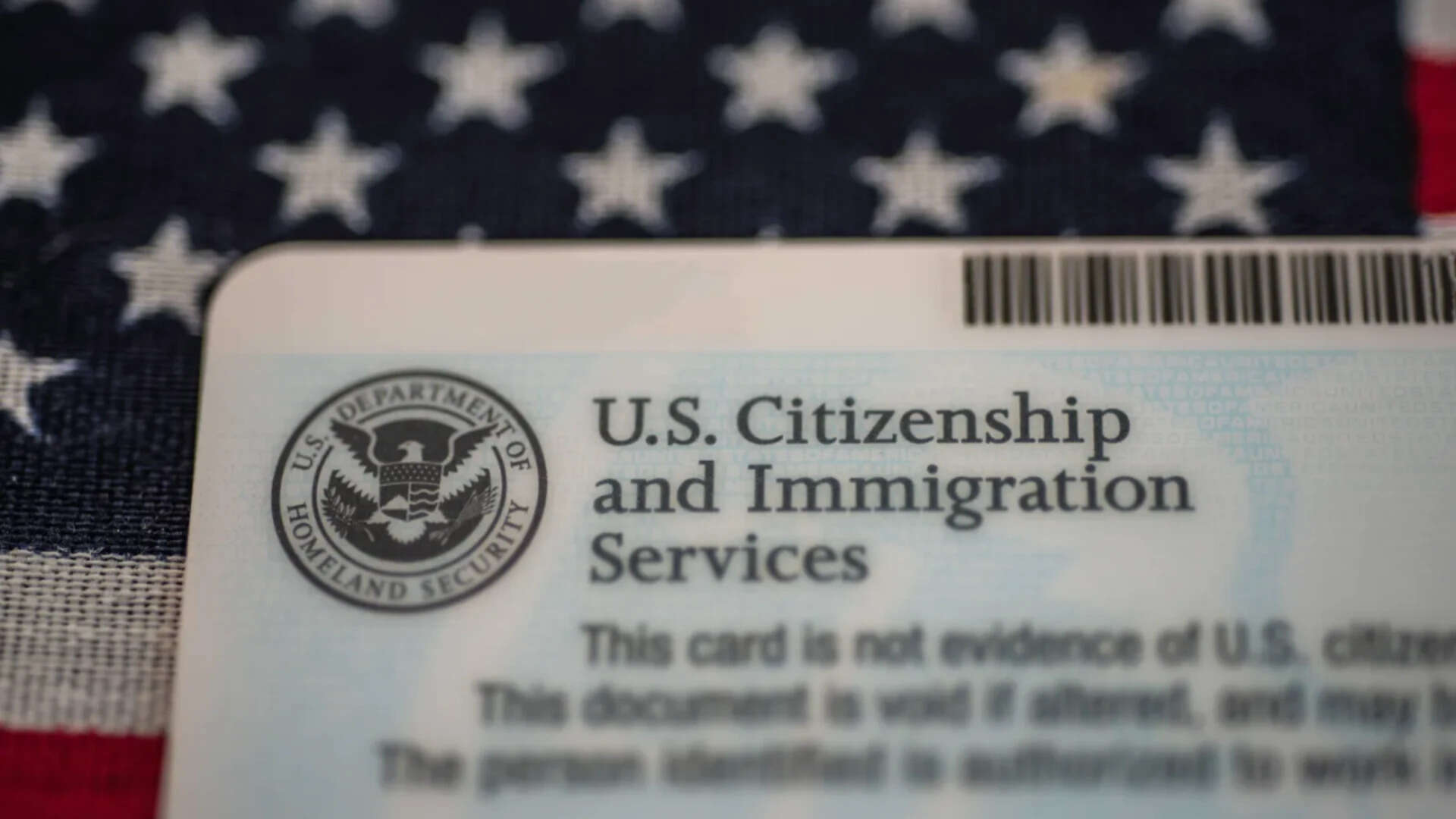
The panic inside the corporate immigration world right now is palpable. Friday afternoon policy drops from the Trump administration usually trigger chaos, and the May 2026 memorandum from U.S. Citizenship and Immigration Services (USCIS) is no exception. The headlines look terrifying. They scream that most temporary visa holders will be forced to leave the country to get a Green Card.
If you're on an H-1B visa, you probably felt your stomach drop. The fear of getting trapped abroad by administrative processing or bureaucratic backlogs is a nightmare you live with daily.
But let's look past the sensational media takes. When you parse the actual text of Policy Memorandum PM-602-0199, the reality for high-skilled tech professionals is far more nuanced. While the administration is aggressively cracking down on in-country adjustment of status for most temporary visitors, H-1B holders occupy a distinct legal space. You aren't in the same boat as someone who arrived on a tourist visa and decided to stay.
Here is what's actually happening behind the scenes and why you shouldn't panic buy a plane ticket just yet.
The Death of Automatic Adjustment of Status
For decades, filing Form I-485 to adjust your status to permanent resident from inside the United States felt like a routine step. If you had an approved I-140, a current priority date, and a clean legal record, approval felt almost guaranteed.
The new USCIS directive completely upends that assumption. The agency is explicitly declaring that adjusting status within America is an "extraordinary form of relief" rather than a default entitlement.
Spokesman Zach Kahler made the administration's stance clear, stating that temporary stays shouldn't function as the first step in the Green Card process. The government wants the vast majority of foreign nationals to pack up and use consular processing at a U.S. embassy in their home country.
The policy instructs officers to view applications through a strict "totality of the circumstances" lens. To get an approval inside the U.S., you now have to prove that your case merits a favorable exercise of discretion.
The Dual-Intent Shield for H-1B and L-1 Workers
Here is the silver lining for high-skilled tech workers. The memo explicitly notes that applying for a Green Card isn't inconsistent with maintaining status in a nonimmigrant category with dual intent.
Dual intent is a bedrock concept of business immigration law. It means you can legally enter the U.S. on a temporary work visa like an H-1B or L-1 while simultaneously taking active steps to permanently immigrate.
If you are a student on an F-1 visa or a tourist on a B-2 visa, you do not have dual intent. If you try to adjust status, the government will highly scrutinize whether you lied about your intentions when you entered the country. For H-1B holders, that specific trap doesn't apply.
The administration quickly clarified its stance to avoid a total collapse of the tech and healthcare sectors. USCIS officials noted that applicants who provide an economic benefit or serve the national interest will likely be able to continue on their current path without leaving. If you are an AI engineer, a specialized researcher, or a highly compensated tech professional, your employment itself is your primary argument for that economic benefit.
The Discretionary Trap You Can't Ignore
Don't mistake the dual-intent shield for a free pass. The policy memo throws down a massive warning flag: simply holding a valid H-1B or L-1 visa is no longer enough on its own to automatically guarantee an in-country adjustment.
Officers are being told to dig into your entire immigration history. They're looking for any excuse to deny the discretionary benefit of adjusting status locally. If they find negative factors, they can tell you to finish the process abroad via consular processing.
The agency is heavily focusing on specific negative behaviors:
- Status Gaps: Even a brief, accidental lapse in valid status during your years in the U.S. will weigh against you.
- Unauthorized Employment: Doing side gigs, unauthorized freelancing, or working outside your specific H-1B petition parameters will hurt your case.
- Intent Violations: Conduct that suggests you flouted immigration rules, even if technically forgiven by past statutes.
Historically, minor status violations under 180 days were often forgiven for employment-based applicants under section 245(k) of the Immigration and Nationality Act. While the statutory law hasn't changed, USCIS officers can now use those same minor past mistakes as a reason to deny the discretionary approval of your I-485.
If you get denied based on discretion, USCIS won't just send a generic rejection. The new rule requires officers to issue a detailed written analysis mapping out your positive and negative factors. A denial doesn't mean your Green Card path is dead forever, but it means you're headed to a U.S. consulate abroad to get your immigrant visa—with all the risk that entails.
How to Bulletproof Your Immigration Strategy
The era of submitting bare-minimum I-485 applications is over. If you want to avoid being forced into consular processing, your filing needs to look like a premium, unassailable package.
You need to actively build a narrative of positive equities to outweigh the heightened scrutiny. Don't just submit your tax transcripts and employment verification letters.
Work with your immigration counsel to include robust documentation of your economic impact. Get letters from your employer detailing how your specific role directly drives revenue, supports American jobs, or advances critical technologies like artificial intelligence and quantum computing.
Gather evidence of your deep ties to the community. Prove that you own a home, pay significant local taxes, or participate in professional American organizations. Show clean records with absolutely zero legal or traffic infractions. You want to make it incredibly difficult for an individual officer to justify a discretionary denial.
The legal community is already preparing for a massive wave of federal litigation over this memo. Top immigration attorneys are pointing out that an agency cannot use internal memos to effectively rewrite immigration statutes passed by Congress. Until those lawsuits play out in federal court, the best defense is a flawlessly documented application that highlights your undeniable economic benefit to the United States. Keep your nonimmigrant status completely flawless, avoid unauthorized side work, and treat your upcoming I-485 filing with the highest level of gravity.