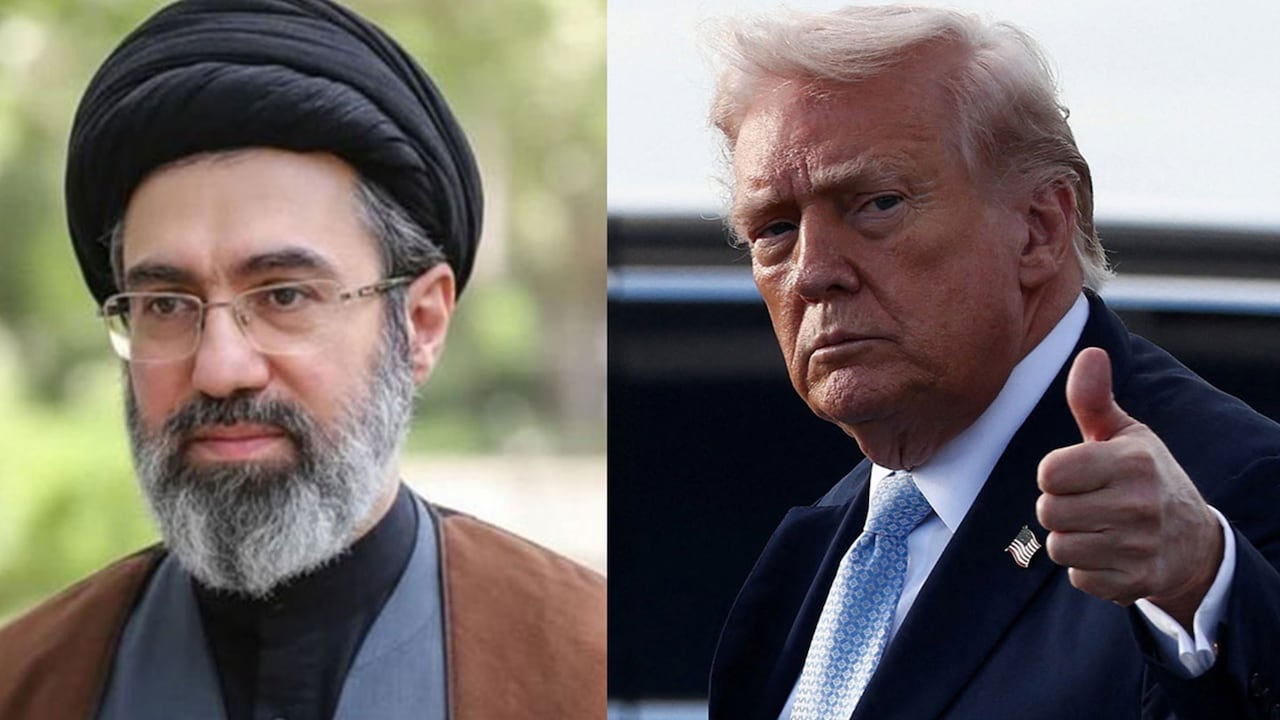
Don't buy into the sudden bursts of optimism coming out of the Persian Gulf. Behind the closed doors of Doha's luxury hotels, American and Iranian diplomats are playing a high-stakes game of telephone. They aren't sitting at the same table. They aren't even looking at each other. Instead, Qatari and Pakistani officials are running back and forth between separate rooms, carrying messages that everyone knows might not hold up by next week.
The formal narrative looks great on paper. The US and Iran signed a 60-day ceasefire memorandum of understanding on June 17, following intense military flare-ups. Now, teams are in Qatar trying to map out the technical details. But if you look at what's actually happening on the ground, this round of indirect talks feels more like a temporary band-aid on a gaping wound than a real step toward peace. For another view, consider: this related article.
The Disconnect in Doha
The fundamental problem with these negotiations is that both sides can't even agree on what kind of meeting they are having. US Vice President JD Vance explicitly stated that technical talks are actively building on previous negotiations. Yet, Iranian Foreign Ministry spokesperson Esmail Baghaei went out of his way to tell journalists that Tehran has zero plans to meet with the American side at any level.
To Washington, it's a peace negotiation. To Tehran, it's merely a administrative meeting with Qatari bankers to unlock frozen cash. Vance dismissed this as a classic "Persian negotiating tactic," but it reveals a much deeper issue. Iranian officials like Foreign Minister Abbas Araghchi know that being seen anywhere near an American flag is a massive political liability back home. If they can't even acknowledge the reality of the talks to their own public, how can they realistically sell a long-term compromise? Similar coverage on this matter has been published by NBC News.
Follow the Money and the Oil
Strip away the diplomatic jargon, and these talks boil down to two tangible things: $6 billion in frozen Iranian assets and the right to sail safely through the Strait of Hormuz.
Under the interim agreement, Iran supposedly agreed to dilute its stockpile of enriched uranium. In exchange, the US signaled a temporary easing of oil sanctions and the potential release of that $6 billion, which is currently sitting in Qatari custody. Iranian President Masoud Pezeshkian publicly claimed the money is coming back immediately. But Qatar’s Foreign Ministry spokesperson, Majed al-Ansari, quickly cooled expectations, noting that the release of funds is strictly contingent on actual diplomatic progress.
The real-world stakes couldn't be higher. A fifth of the world's oil flows through the Strait of Hormuz. Recent attacks—including Iranian strikes on a tanker carrying Qatari crude and retaliatory American airstrikes—have sent global energy markets into a tailspin. Washington's main goal right now isn't a grand ideological peace treaty. It's an emergency effort to keep shipping lanes open and stop a global energy crisis before it gets worse.
Why This Ceasefire Agreement Is Incredibly Fragile
We have seen this script play out before. The US and Iran have tried indirect negotiations twice recently, and both attempts collapsed completely, leading to major military escalations.
What makes the current 60-day timeline so dangerous is the sheer lack of trust. While US envoys Steve Witkoff and Jared Kushner try to establish a framework, Iran is still flexing its military muscles. Just days before these Doha meetings began, drone and missile strikes targeted Bahrain and Kuwait. You can't successfully negotiate a complex international agreement when one party is actively trying to rewrite the terms with drone strikes on neighboring states.
The US position is clear: they believe they hold all the leverage. Vance openly remarked that the US remains in a much stronger position even if these talks fall apart completely. When one side feels it has nothing to lose from a collapse, and the other side refuses to acknowledge they are even negotiating, the math for a successful outcome simply doesn't add up.
To make these talks worth anything, watch the $6 billion. If Qatar refuses to transfer the funds to buy food products for the Iranian population due to continued maritime aggression, the June 17 memorandum of understanding will fall apart before the 60 days are up. Keep your eyes on the Strait of Hormuz shipping data over the next two weeks, not the sanitized press releases out of Doha. That's where the real answer lies.