The Straight Reality of the Hormuz Crisis
When the Strait of Hormuz choked shut, India’s energy security didn't just stumble—it took a massive punch to the gut. New Delhi used to rely on that single, volatile waterway for nearly 90% of its liquefied petroleum gas (LPG) imports. Now, with the Middle East in prolonged turmoil and Brent crude prices spiking over 50% since the conflict began, India is desperate to rewrite its supply playbook.
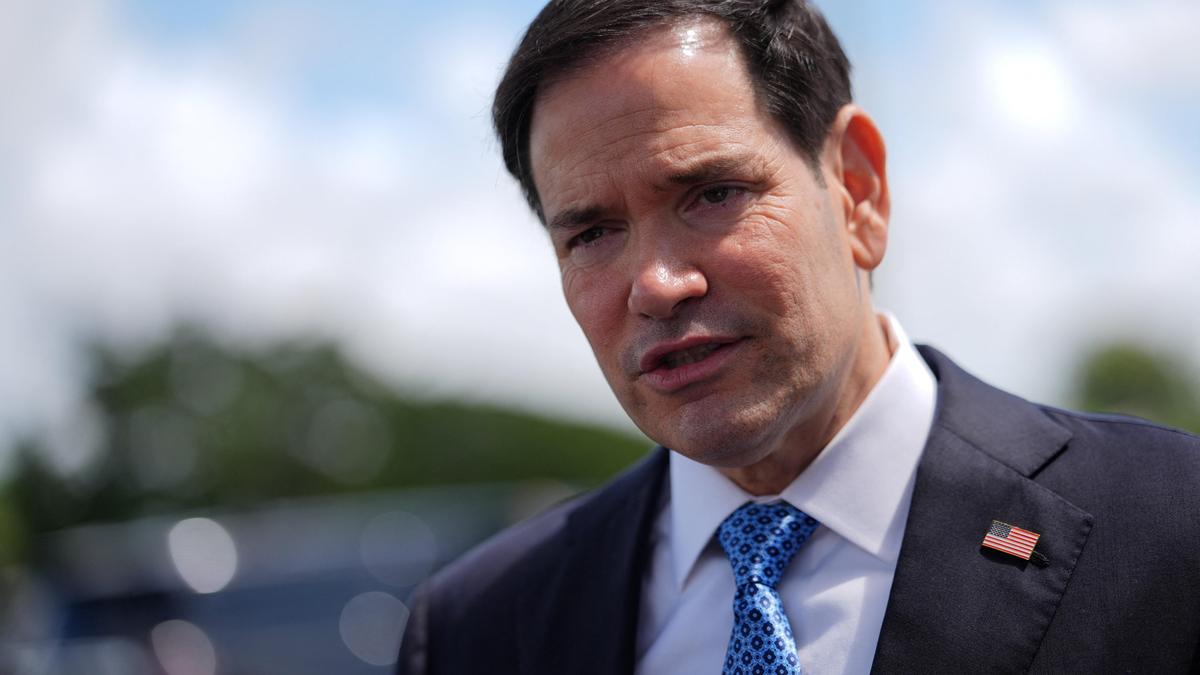
Enter US Secretary of State Marco Rubio. Right before boarding a plane for a high-stakes diplomatic sweep through Sweden and India, Rubio threw open the doors. His message from Miami was simple, blunt, and aggressive: Washington wants to sell India "as much energy as they’ll buy."
It sounds like a perfect geopolitical marriage. The US is pumping fossil fuels at absolute historic highs, and India is the world's most populous nation with an insatiable, growing thirst for crude and LNG. US Ambassador Sergio Gor even confirmed that New Delhi is already on track to import record amounts of American LPG and LNG.
But if you think this is a seamless transition that will effortlessly fix India's energy woes, you're missing the real friction beneath the diplomacy. Shifting a country's entire energy portfolio isn't like switching your streaming subscription. It's a massive, expensive, structural headache.
Why American Oil Doesn't Perfectly Fit Indian Refineries
The biggest hurdle to Rubio’s grand plan isn't political goodwill. It's chemistry.
The US has unlocked a goldmine of shale oil over the last decade, but that oil is predominantly light and sweet. Indian refineries, particularly the massive complexes run by Reliance Industries in Jamnagar or the state-owned Indian Oil Corporation plants, were built to process something completely different. They are optimized for heavy, sour crude grades—the kind that traditionally flows out of the Middle East and Russia.
Can Indian refiners process light American shale? Sure. But they have to blend it extensively, which alters their profit margins and product yields.
Then you have to look at the brutal math of geography. Shipping oil from America's Gulf Coast to ports like Jamnagar or Paradip means crossing vast oceans. The freight costs are inherently higher, and the transit times are significantly longer compared to a quick tanker run from the Persian Gulf or even discounted barrels coming from Russian Baltic ports. When oil prices are high, those shipping premiums hurt.
The Wildcard Elements of Venezuela and Russia
Rubio dropped a fascinating breadcrumb during his press conference that most casual observers completely blinked on. He explicitly noted that Washington sees major "opportunities with Venezuelan oil" to help fill India’s basket. He even leaked that Venezuela's acting president, Delcy Rodriguez, is quietly heading to India next week too.
Think about the irony here. The Trump administration has historically held a notoriously hard line against Caracas. Yet, the US Treasury Department has actively let India buy sanctioned Russian oil, and now Washington is practically playing matchmaker between New Delhi and Venezuela.
Why? Because Venezuelan crude is heavy and sour. It's the exact chemical match that Indian refiners crave. By encouraging India to absorb Venezuelan and American barrels, Washington achieves a double victory: it helps a critical Indo-Pacific ally survive the Hormuz shutdown while trying to gently nudge New Delhi away from its massive, controversial dependence on Moscow.
What Really Matters on Rubio's Itinerary
Rubio’s trip isn't just a quick fly-by photo-op in New Delhi. He's spending multiple days on the ground, hitting Kolkata, Agra, and Jaipur before landing in the capital for the grand finale.
The crown jewel of this visit isn't a bilateral press conference—it’s the Quad foreign ministers' meeting. Rubio will sit down with India's S. Jaishankar, Australia's Penny Wong, and Japan's Motegi Toshimitsu.
While the public talking points will focus heavily on maritime security, semiconductor supply chains, and keeping China's naval ambitions in check across the Indo-Pacific, the closed-door reality will be dominated by economic survival.
If India can't keep its factories running and its citizens fueled due to a shuttered Middle East, it can't act as the regional counterweight to Beijing that Washington desperately needs it to be. Energy security is no longer an isolated business metric; it's the bedrock of the entire Quad military alliance.
Making the Tradeoff Work
We're also looking at an imminent interim trade deal between Washington and New Delhi. Ambassador Gor hinted that a tariff-reduction deal—originally teased back in February—is finally getting its legal language polished and will likely be signed very soon.
The catch? That trade deal is heavily contingent on India promising to buy a hell of a lot more American energy.
If you are running an energy portfolio or managing supply logistics in this environment, you can't just rely on Rubio's enthusiastic rhetoric. You have to actively hedge against the logistical reality.
Your next move shouldn't be gambling entirely on a sudden flood of cheap US crude. Instead, expect a highly tactical, fragmented approach. Indian state refiners will likely sign long-term term-contracts for American LNG and LPG—where the infrastructure transition is easier—while aggressively using private refiners to blend incoming heavy Venezuelan crude with lighter US shale.
The US-India energy alliance is going to grow because geopolitics demands it, but don't expect it to happen without some serious friction on the balance sheets.