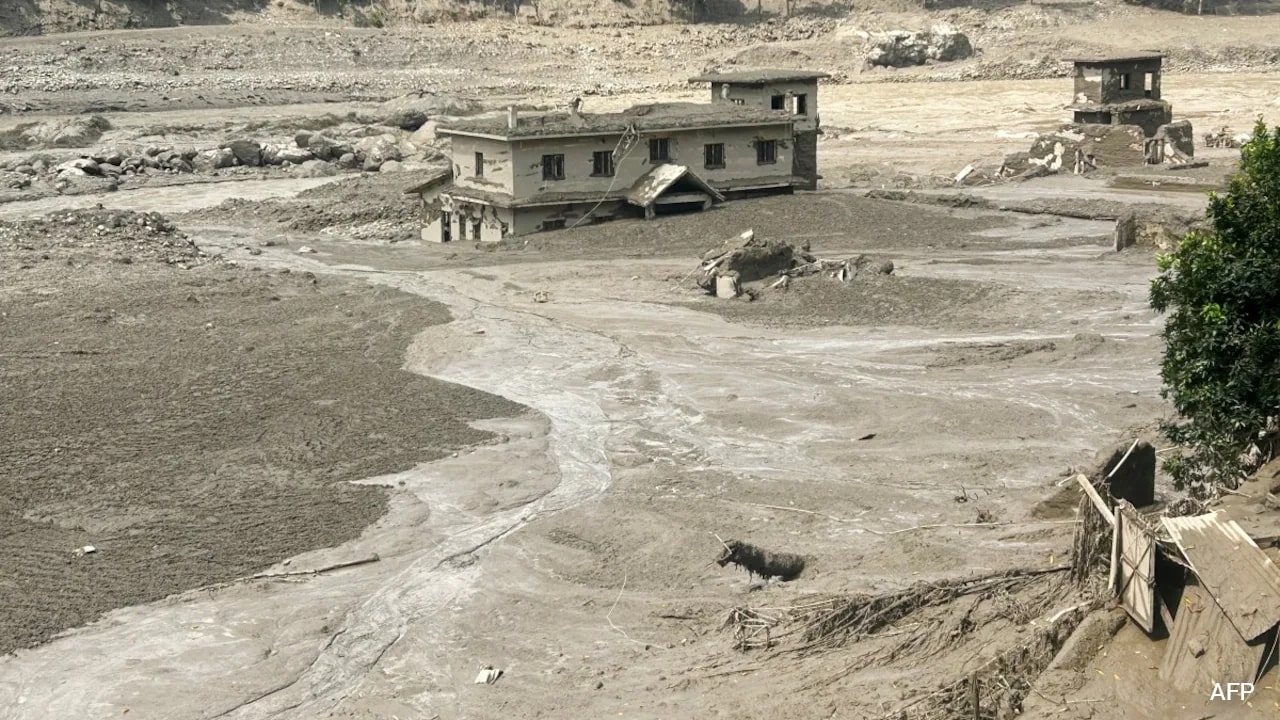
When a wall of water tears down a mountain valley without warning, you don't get time to pack a bag. That brutal reality hit northern Nepal when a massive flash flood surged across the border from Tibet, wiping out settlements, bridges, and hydropower infrastructure in mere seconds.
At least 105 Indian nationals and 37 non-resident Indians are among the nearly 400 travelers reported missing. The death toll climbs daily, and search-and-rescue teams face brutal hurdles as they try to reach cut-off zones. Understanding how this catastrophe unfolded requires looking upstream, past the political borders, right into the fragile Himalayan heights. You might also find this connected story insightful: Inside the Military Ammunition Pipeline Keeping Infantry Alive Without Real Bullets.
Tracking the Origin of the Disaster
The water didn't come from local rainstorms. Nepal's Flood Forecasting Division made it clear right away that local weather in the Rasuwa district wasn't to blame. Instead, satellite data and regional reports point straight to the Tibetan side of the border, where a sudden and ferocious surge breached down the Bhote Koshi River basin.
A mudslide also slammed into Gyirong Port on the Tibetan side, causing heavy casualties and destroying commercial conduits. Experts from the Kathmandu-based International Centre for Integrated Mountain Development point toward a high-altitude trigger, such as a glacial lake outburst flood or an avalanche. When high-altitude ice gives way, rivers transform into runaway freight trains of mud, boulders, and debris. As highlighted in detailed articles by NPR, the effects are worth noting.
Villages like Timure and Syafrubesi bore the immediate brunt of the torrent. Vehicles parked near customs points vanished, houses collapsed like cardboard structures, and entire work sites connected to regional hydropower projects were submerged or swept away.
The Human Toll and the Pilgrimage Impact
Many of those unaccounted for are travelers caught in the wrong place at the worst possible time. A significant portion of the missing Indian nationals and NRIs were pilgrims heading toward Tibet for the sacred Kailash Mansarovar Yatra. Tour operators confirmed that hundreds of pilgrims were scheduled to cross the border precisely when the disaster struck.
The Nepal Tourism Board compiled initial missing lists through agency records, matching names of foreign nationals from countries like the US, UK, Australia, and the Netherlands alongside the large contingent of Indian tourists. Families back home are left waiting in agony as verification crawls forward.
Rescue Complications and Regional Fallout
Deploying help is a logistical nightmare. Nepal Army, Armed Police Force, and local police teams have been mobilized with drones, sniffer dogs, and helicopters. Yet, pilots report that chopper crews cannot land in heavy flood zones due to dangerously high water levels and unstable terrain.
India responded immediately by dispatching relief material via Indian Air Force aircraft, alongside plans to deploy National Disaster Response Force personnel. Prime Minister Narendra Modi expressed solidarity, while neighboring Indian states like Bihar issued high alerts across districts flanking the Kosi and Gandak river systems as the massive volume of water moves downstream.
If you or someone you know is trying to reach loved ones traveling through the affected regions, utilize the official helpline channels set up by the Nepal Tourism Board (toll-free 1234 or hotline 1144) or the Indian Embassy in Kathmandu for tracking assistance. Stay off riverbanks in the Trishuli and Bhote Koshi basins, as secondary surges and unstable slopes continue to threaten the entire region.