Salt. Heavy, perpetual, and clinging to the skin. That is the first thing you notice when you stand on the deck of a container ship idling just outside the Persian Gulf. The air does not move. It presses down with a humid authority that makes every breath feel earned. Below deck, thousands of tons of electronics, textiles, and machinery sit locked in steel boxes, waiting for permission to cross a invisible line.
That line is twenty-one miles wide at its narrowest point.
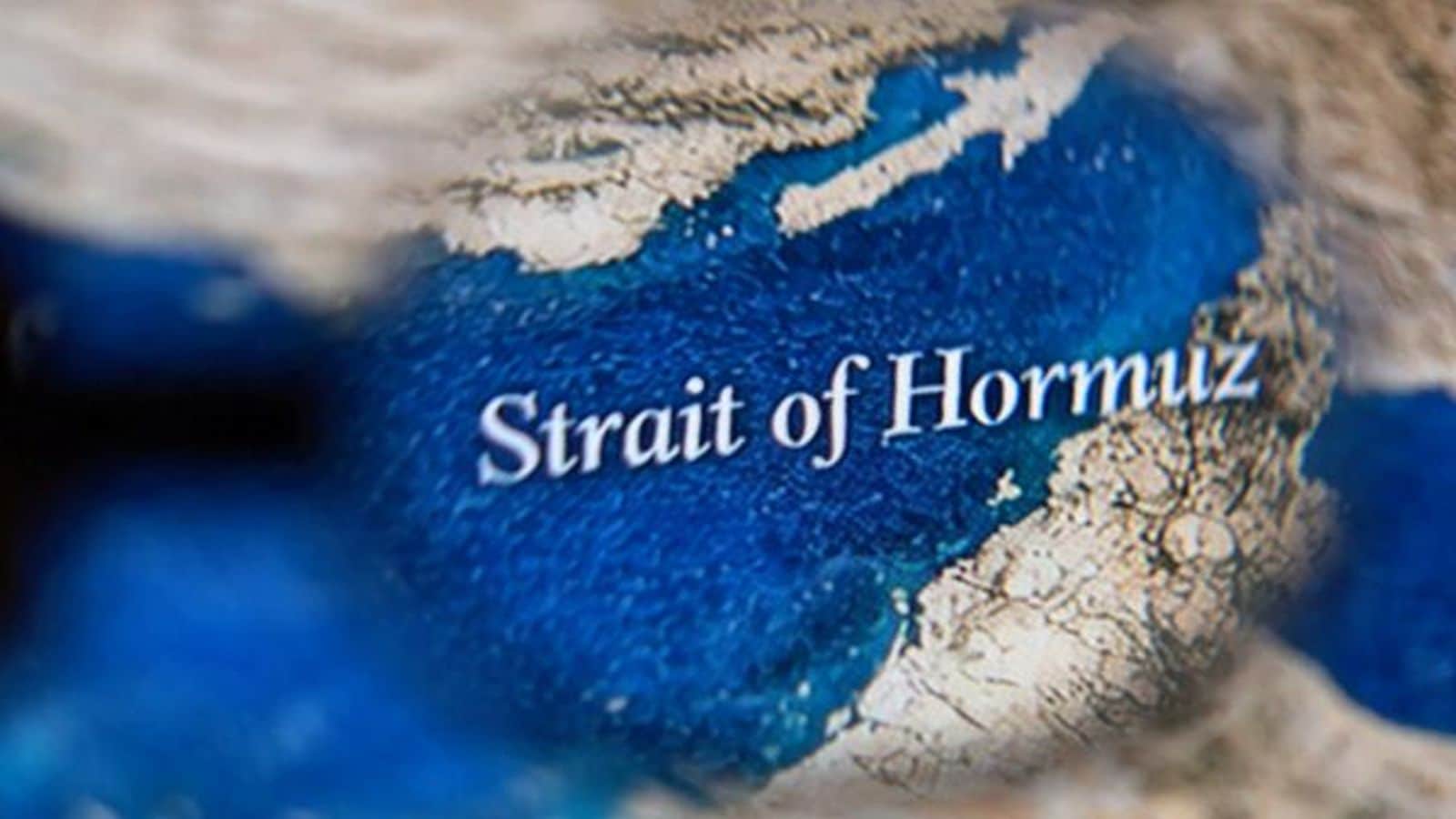
The Strait of Hormuz.
To the maps, it is a narrow choke point of blue water separating Oman and Iran. To the global economy, it is an arterial valve. Every single day, a fifth of the world's petroleum supply squeezes through this aquatic needle. When the valve is open, the engines of modern civilization hum in rhythm—factory floors in Shenzhen, delivery trucks in Chicago, heating systems in Berlin. When the valve stutters, panic follows.
Right now, the valve is jammed.
Recent diplomatic cables and state declarations out of Tehran have made one reality brutally clear. A safe-passage deal for shipping lanes is not enough. Not nearly enough. The equations governing this water have shifted, and the traditional remedies of maritime diplomacy are failing to match the gravity of the ground-level friction.
To understand why a simple guarantee of safe transit falls short, you have to talk to the people who watch the radar screens.
Meet Captain Tariq Al-Mansoor. He has spent thirty-two years navigating ultra-large crude carriers through these waters. He knows every sandbar, every shifting current, and every electronic ghost that dances across a bridge monitor. When we spoke via satellite phone last week, his voice carried the flat, exhausted tone of a man who has seen too many politicians confuse paper promises with physical reality.
"They talk about safe passage like it is a toll road," Tariq told me, the distant drone of a diesel generator thrumming in the background. "They think you put up a green light and the ships start rolling. But a safe-passage deal only works if the environment behind it is stable. Right now, the water is saturated with mistrust. Every shadow looks like a threat. Every patrol boat is a question mark."
Tariq's frustration cuts straight to the heart of the current crisis. Tehran's recent assertions—relayed through state media and official diplomatic channels—stress that an isolated agreement to secure commercial vessels misses the broader geopolitical picture. Security here is not modular. You cannot isolate a shipping lane from the surrounding political atmosphere any more than you can isolate a single vein from the circulatory system.
Consider what happens next: a cargo vessel receives assurances of safe transit from international mediators. The captain lifts anchor. But as the ship approaches the median line, the regional posture shifts. Intelligence reports flag unexpected military exercises. Cyber warnings blink on navigation consoles. The crew looks out at the jagged coastline, knowing that a single miscalculated maneuver by an overhead drone or a fast-attack craft can turn a multi-million-dollar tanker into a burning hazard.
Paper guarantees dissolve in the face of live ammunition and unresolved grievances.
For decades, the global community treated the Strait of Hormuz as a plumbing problem. If a leak sprung, you applied a diplomatic patch, pumped in naval escorts, and kept the oil flowing. That mindset belongs to a different era. The geopolitical chessboard has multiplied its dimensions. Regional alliances have fractured and reformed. Sanctions have bitten deep into domestic economies, creating internal pressures that external maritime agreements cannot soothe.
When Iranian officials argue that safe-passage accords are insufficient, they are pointing to a structural deficit. They are saying that commercial navigation cannot be decoupled from broader sanctions relief, regional security frameworks, and the complex calculus of deterrence. To treat the symptom while ignoring the disease is an exercise in diplomatic theater.
The markets, however, hate theater. They crave certainty.
Insurance premiums for ships traversing the Gulf have spiked into the stratosphere. Underwriters in London look at the rhetoric coming out of the Middle East and translate every defiant speech into hard numbers. Millions of dollars added to a single voyage. Those costs do not vanish into the ledger books of shipping conglomerates. They cascade downward. They land softly, invisibly, on the price of a gallon of gasoline at a suburban pump in Ohio. They inflate the cost of manufacturing goods in Munich. They squeeze the margins of small businesses trying to import raw materials across continents.
We live in an age of profound illusion about our connectivity. We believe that distance has been conquered by fiber optics and logistics software. We press a button on a screen, and goods materialize on our doorsteps. We turn a key, and our cars ignite. We forget that this entire intricate structure rests on the shoulders of men like Tariq, standing watch in the dark, sweating through their uniforms, waiting to see if politicians can find a language that transcends mutual suspicion.
The water does not care about press releases.
It remains deep, dark, and indifferent. The tankers continue to circle in holding patterns, their anchors dropped into the silt, burning fuel just to stay still. Every hour spent waiting is a quiet bleed on the global supply chain.
Until the underlying fractures are addressed—until the root causes of regional antagonism are met with something more substantial than temporary ceasefires and piecemeal corridors—the Strait of Hormuz will remain what it is today: a razor's edge where the world holds its breath, waiting to see which way the wind blows.