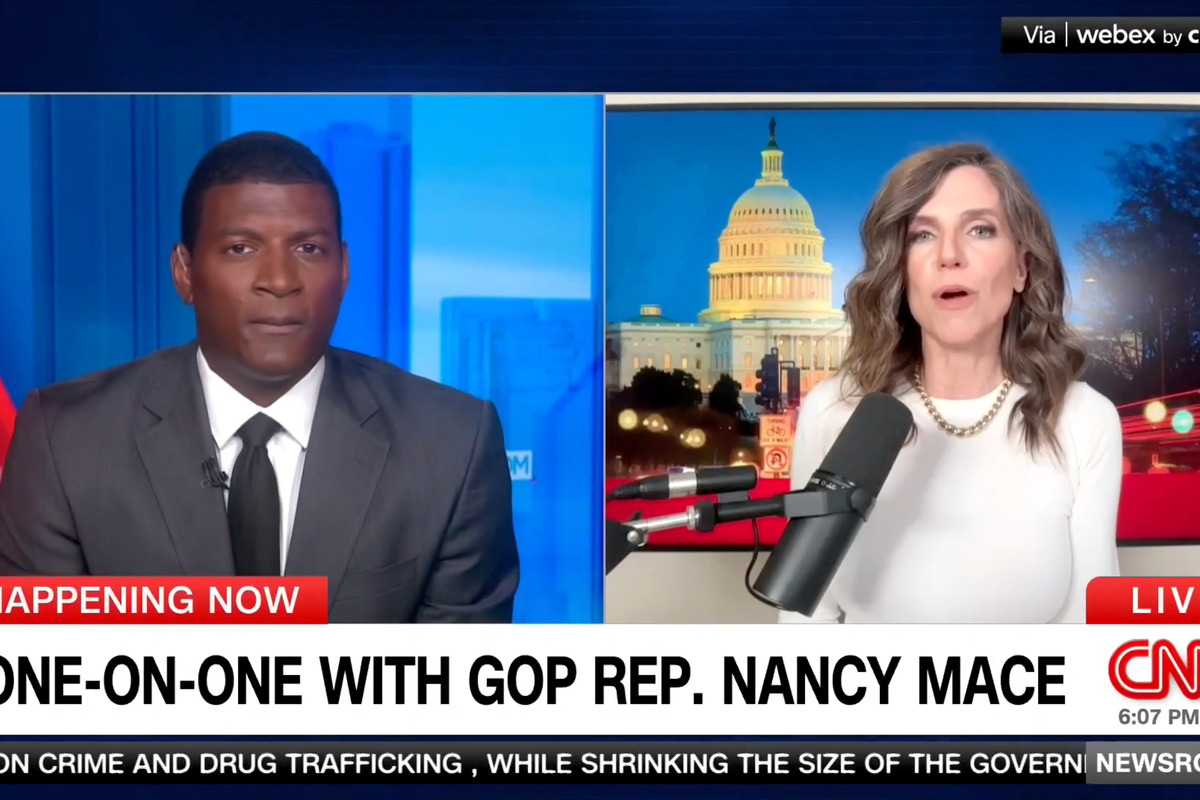
Cable news confrontations rarely disappoint viewers looking for political fireworks. When South Carolina Representative Nancy Mace stepped onto a CNN broadcast to defend her incendiary social media posts, things got heated fast. Politicians often use online platforms to test boundaries. Sometimes those boundaries completely shatter.
Mace faced direct pushback regarding digital statements where she labeled specific political adversaries or groups as a "Trojan horse." The phrase immediately drew heavy criticism for leaning into anti-Muslim rhetoric. Critics argued the terminology relies on tired xenophobic tropes. Mace pushed right back. She refused to back down from her chosen vocabulary, insisting her focus centered entirely on national security rather than bigotry.
Viewers watching live saw a classic cable news standoff. The anchor pressed hard on definitions. Mace doubled down on her messaging. This clash highlights a wider trend in modern politics. Lawmakers routinely bypass traditional press channels to drop provocative soundbites on X, formerly Twitter. They then spend television segments defending the fallout.
The Anatomy of a Modern Political Firestorm
Digital messaging campaigns move fast. A single post can trigger a twenty-four-hour news cycle before morning coffee. When Mace published her remarks, engagement metrics surged. Supporters cheered the tough stance. Detractors called out the obvious dog-whistling.
During the CNN interview, the anchor asked a straightforward question. How does labeling immigration or advocacy groups as hidden threats not target everyday Muslims? Mace rejected the premise. She argued that public officials have a duty to sound alarms about foreign ideologies. The back-and-forth exposed deep fractures over how politicians discuss foreign policy and domestic civil rights.
Why Social Media Outrage Drives Strategy
Politicians don't post controversial phrases by accident. Algorithms reward friction. Anger spreads faster than nuance. When a representative uses terms like Trojan horse, they know it will trigger wall-to-wall coverage.
- High engagement translates to digital fundraising dollars.
- Cable news appearances offer free airtime to cement a specific brand.
- Polarization wins primaries, even if it alienates moderate voters later.
Mace understands these mechanics well. Her willingness to spar with mainstream journalists keeps her name at the top of the news feeds. Yet this strategy carries real costs. Communities targeted by broad rhetorical strokes often bear the brunt of the resulting hostility.
The Broader Fallout for Congressional Discourse
Incidents like this change how Washington operates. Legislative bodies used to rely on internal committee debates to hash out complex policy differences. Now, the battle happens in real-time online, followed by high-stakes television arguments. Nuance dies in the process. Voters get soundbites instead of solutions.
When anchors pin down elected officials on exact wording, audiences get a rare look past the talking points. Mace stood her ground, but the underlying tension remained unresolved. Words matter on the national stage. As long as inflammatory phrasing drives attention, politicians will keep using it, no matter how tense the eventual morning interview gets.
Nancy Mace speaks on bills targeting 'Hamas sympathizers' & Muslim Brotherhood
This video provides context regarding Nancy Mace's legislative focus and public messaging on foreign policy and domestic security issues.
http://googleusercontent.com/youtube_content/1