The air at five thousand meters does not merely fill the lungs; it scrapes them. Every breath requires intention, a deliberate negotiation with an atmosphere that feels increasingly reluctant to share its oxygen. Up here, silence has weight. It presses against the temples, thick and absolute, broken only by the rhythmic crunch of crampons on blue ice and the frantic, shallow gasps of anyone foolish enough to believe they are stronger than gravity.
Mount Langtang does not care about your ambitions. It is a monument of jagged slate, ancient glaciers, and shifting snowpacks that have accumulated over millennia, waiting patiently for the right combination of sun, wind, and atomic instability to let go.
Most people who travel to the Himalayas seek a certain kind of stillness. They want the postcard. They want the snow-dusted ridges catching the first violet light of dawn, the fluttering prayer flags bleeding color into the slate-gray clouds, and the profound, ego-shattering realization of how small human lives are against the planetary scale of stone and sky. But stillness in the high mountains is an illusion. It is a held breath.
Listen closely.
That faint, subterranean groan you might mistake for shifting wind is actually millions of tons of compacted ice adjusting its grip on a sheer cliff face. It is slow. Until it isn't.
On a brilliant afternoon that offered no warning, a small, commercially available drone hovered in the thin air near the Langtang range. Its brushless motors whined softly against the wind, a mechanical insect defying an altitude meant only for migrating birds and desperate climbers. To the operator on the ground—perhaps wrapped in heavy down, nursing a thermos of lukewarm tea—the gadget was just a lens, a way to capture the sheer vertical theatre of the earth.
Then came the white roar.
If you have never heard an avalanche of catastrophic proportions, do not imagine the sound of thunder. Thunder rolls. It dissipates. An avalanche of this magnitude sounds like the tearing of the planet's very crust, an immediate, deafening detonation that robs the air of oxygen before the shockwave even arrives.
Through the unblinking eye of the drone lens, the mountain simply dissolved.
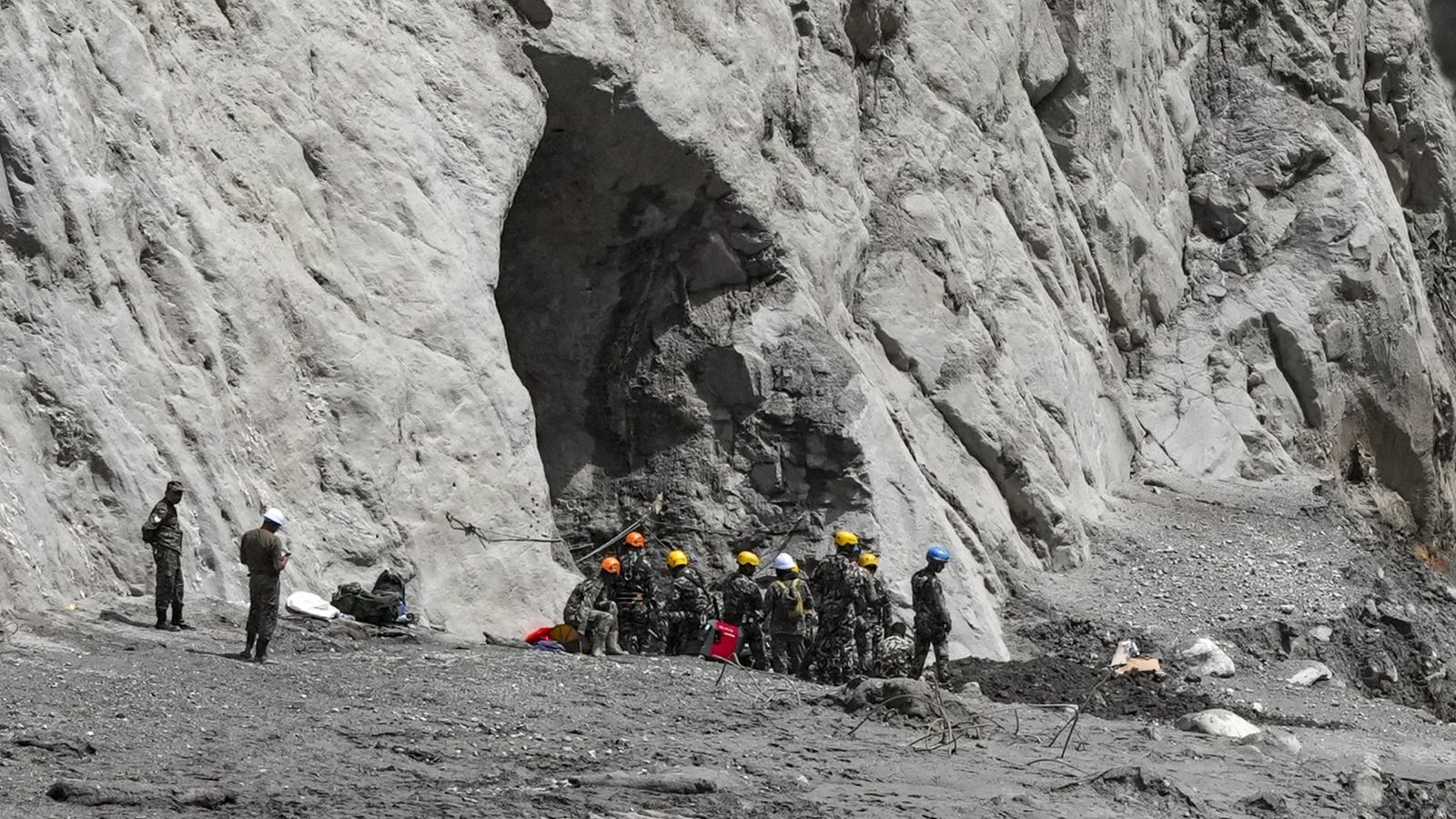
Imagine standing on a balcony overlooking a city, and suddenly the entire skyline turns to liquid dust, rushing downward at the speed of a commercial airliner. That is what happened on the slopes of Langtang. A massive cornice fractured. Gravity did the rest. Tons of snow, ice, and pulverized rock broke away in an instantaneous avalanche, plunging into the valley below with a terrifying grace. The drone, suspended safely in open airspace, recorded the whole thing. The footage shows a wall of white fury swallowing the landscape, turning a sunlit sanctuary into a blinding whiteout of wind and debris in a matter of seconds.
It is mesmerizing. It is horrifying.
And it forces us to confront a terrifying truth about our modern obsession with capturing disaster.
We live in an era where tragedy no longer waits for a journalist with a notebook or a lucky passerby with a film camera. Every remote corner of the globe is monitored, scanned, and recorded by automated sensors, satellites, and hobbyist toys. We consume catastrophe from the comfort of our leather couches, scrolling past videos of collapsing glaciers between coffee orders and meeting reminders. We watch the mountain fall, marvel at the physics of the destruction, and tap a heart icon before swiping to the next distraction.
We have sanitized the abyss.
When the video of the Langtang avalanche went viral, the internet treated it as a visual spectacle. Comments poured in about camera stabilization, frame rates, and the sheer velocity of the snow plume. But underneath the digital applause lay a chilling disconnect.
The Langtang Valley has a memory written in stone and bones. Years earlier, the devastating earthquakes that shook Nepal triggered massive landslides and avalanches in this exact region, wiping entire villages off the map and burying hundreds of lives beneath meters of debris. The people who call these valleys home live with an acute, daily awareness that the mountain above them is alive, unstable, and indifferent to human survival.
When a drone captures a catastrophic avalanche, it is not just filming a cool clip for social media. It is documenting a near-miss with eternity.
Consider the hypothetical trekker, let us call him Pemba, walking the trail a few kilometers downwind of that fracture zone. Pemba is not thinking about camera angles. He is watching the way the snow clings to the upper ridges, reading the subtle language of wind-slabs and temperature shifts that his grandfather taught him to respect. To Pemba, the mountain is not a backdrop; it is an elder whose moods must be placated with caution and humility. When the ice lets go, Pemba does not have time to launch a drone. He has seconds to find a boulder, drop to his knees, and pray that the air blast does not scour his lungs dry.
The modern traveler brings high-tech gear into low-tech environments, creating a false sense of mastery over nature. We track our heart rates with smartwatches, check real-time weather apps via satellite links, and fly drones over crevasses that could swallow a house. We feel protected by our gadgets. We feel like we are beating the wild.
The mountain humbles us every single time.
A drone can capture the scale of a cataclysm, but it cannot capture the smell of crushed pine and ozone that lingers after the dust settles. It cannot record the profound, echoing silence that returns to the valley once the roar of the avalanche fades into a whisper. It cannot measure the cold dread in the gut of anyone watching from below, realizing how close they just came to becoming part of the geological record.
We watch the screen, transfixed by the white plume cascading down the jagged rock faces of Langtang. We marvel at the technology that brings the edge of the world directly into our palms. But the real story is not about the drone, and it is not about the viral footage.
The real story is what happens when the lens stops rolling, when the battery dies, and when the viewer has to look up from their phone to face a world that is far larger, wilder, and more fragile than any algorithm can comprehend.
The snow settles. The wind returns to the ridge. And the mountain waits.