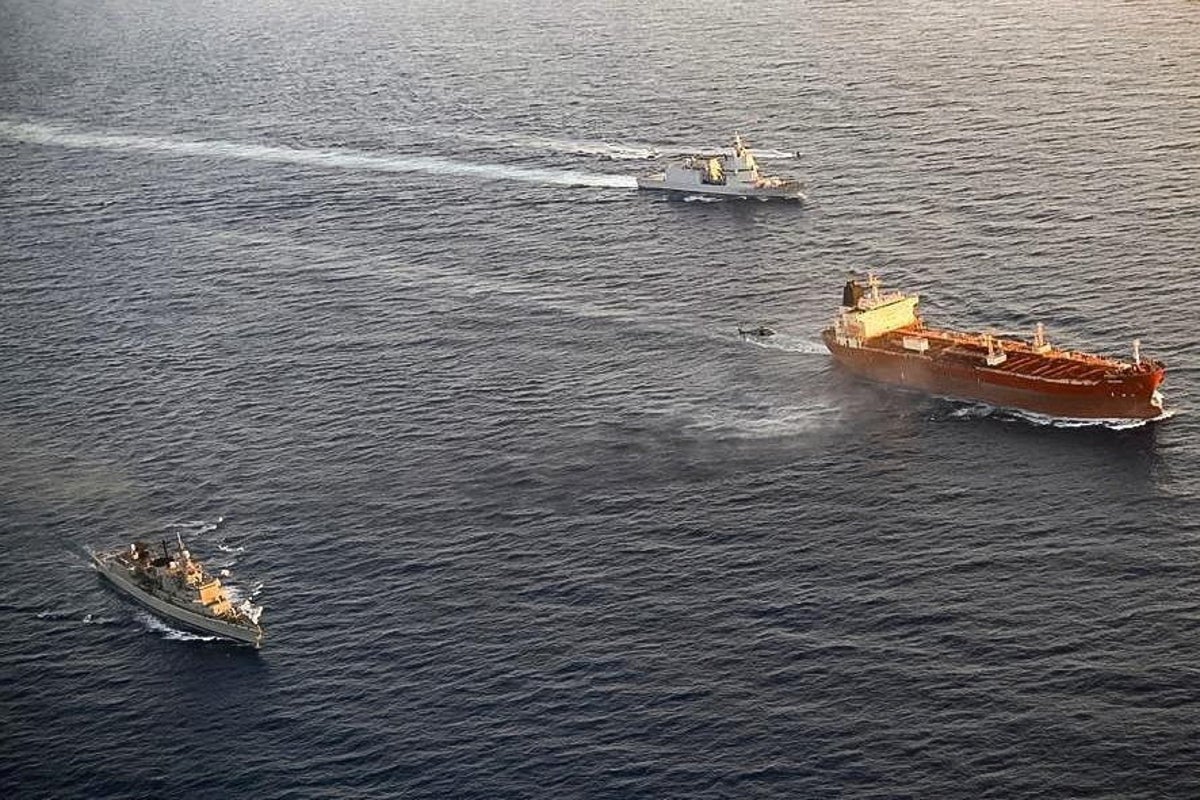
Russian leadership has issued direct warnings of asymmetric retaliation should European Union authorities move forward with physical interceptions and seizures of the aging tankers composing Moscow's maritime shadow fleet. This brewing confrontation marks a dangerous escalation in the economic war surrounding international petroleum transit, putting maritime insurers, coastal states, and naval patrols on high alert.
For months, Brussels has struggled to plug the regulatory leaks that allow sanctioned Russian crude to flow across global waters. Now, European policymakers are weighing aggressive boarding actions and vessel impoundments under the banner of environmental protection and sanctions enforcement. Moscow views these potential moves as piracy under a diplomatic veneer and promises severe countermeasures that could disrupt commercial shipping lanes far beyond the Baltic and Black seas.
Anatomy of the Shadow Fleet
Sanctions imposed following the invasion of Ukraine forced Moscow into a logistical adaptation of historic proportions. Traditional Western-backed shipping, flagging, and insurance networks became legally toxic overnight.
To bypass these restrictions, Russian state entities and allied intermediaries assembled a massive shadow fleet. These are predominantly older tankers operating under obscure flags of convenience, carrying opaque ownership structures, and frequently turning off their automatic identification systems to mask their movements.
Operating outside standard Western maritime oversight creates immediate environmental and security hazards. Many of these vessels lack verifiable safety certifications and carry inadequate P&I insurance, meaning a collision or major oil spill would leave coastal nations footing the bill for environmental remediation. European capitals cite these risks as justification for tightening the dragnet.
Yet, the economic necessity for Moscow remains absolute. Petroleum exports fund the state budget, and keeping those tankers moving is a matter of national survival for the Kremlin. Any physical threat to that pipeline triggers an immediate, aggressive strategic response.
The Legal and Tactical Quagmire of Boarding Operations
Seizing a vessel on the high seas under the pretext of sanctions enforcement violates traditional interpretations of the United Nations Convention on the Law of the Sea, absent specific mandates from the UN Security Council or the explicit consent of the flag state.
European legal scholars argue that coastal states possess broad authority to protect their territorial waters and exclusive economic zones from ecological disaster. If a rust-bucket tanker leaks oil or operates without valid environmental credentials near European choke points, local authorities have a legal footing to intervene.
Translating that legal theory into naval execution is another matter entirely.
Obstacles Facing Coastal Interdictions
- Jurisdictional Disputes: Most shadow tankers fly flags of non-aligned nations that offer little cooperation to Western regulators.
- Safety Hazards: Boarding uncooperative tankers on the open ocean carries immense risk of violent confrontation or catastrophic environmental accidents.
- Retaliatory Vulnerability: European commercial assets operating globally become immediate targets for counter-seizures or state-backed sabotage.
Naval planners know that physical seizures could transform routine regulatory enforcement into armed naval standoffs. Moscow has made it clear that any asset taken by European nations will face equal and opposite reprisal.
Exploring Retaliatory Vectors
When the Kremlin threatens retaliation in kind, the warning is rarely empty rhetoric. Several distinct vectors exist for Moscow to strike back against European maritime and commercial interests.
The most direct countermeasure involves targeting foreign-flagged commercial vessels operating in waters controlled or influenced by Russia. The Baltic Sea, the Black Sea, and sections of the Arctic route feature choke points where foreign cargo ships remain vulnerable to sudden inspections, bureaucratic harassment, or outright detention under manufactured safety pretexts.
Another avenue involves strategic asset freezes and judicial confiscations within Russian jurisdiction. Numerous Western shipping companies, leasing agencies, and joint ventures still hold physical assets, offices, or capital reserves inside Russia. If European states begin seizing Russian tankers, Moscow can swiftly appropriate these Western corporate holdings to offset the financial damage.
Beyond direct tit-for-tat seizures, the Kremlin can weaponize insurance and certification counter-measures or disrupt vital undersea infrastructure. The subsea cables and energy pipelines crisscrossing European waters already exist in a state of heightened vulnerability. A targeted campaign of grey-zone harassment against regional telecommunications and power lines would force European navies to spread their resources dangerously thin trying to protect thousands of miles of underwater architecture.
The Insurance Dilemma and Global Market Fallout
Marine insurance forms the invisible infrastructure of global trade. By restricting access to Western protection and indemnity clubs, sanctions aimed to price Russian oil out of profitable markets. Instead, Moscow built an alternative insurance ecosystem, relying on domestic underwriters and state guarantees.
If European nations begin physically capturing tankers, the risk calculus for this alternative system shifts dramatically. Premiums for any vessel carrying Russian crude will skyrocket, forcing buyers in Asia to demand steeper discounts to absorb the transit risk.
This dynamic creates a secondary shockwave for global energy pricing. Even if oil continues to leak out of Russian ports, the friction of constant legal and physical harassment at sea reduces overall market efficiency. Supply chains tighten, freight rates climb, and energy consumers worldwide absorb the inflationary cost of geopolitical friction.
Brussels faces a difficult internal divide over this strategy. Mediterranean member states with large shipping economies fear that aggressive interdiction policies will invite chaos into their home waters and trigger destructive retaliatory loops. Meanwhile, northern maritime nations push for uncompromising enforcement to close every possible sanctions loophole.
The looming standoff underscores the limits of economic warfare in a fractured global order. Sanctions can alter trade flows and drive up operational costs, but attempting to physically police those sanctions on the open ocean invites military escalation. As European capitals weigh the political benefits of cracking down on the shadow fleet, Moscow prepares its counter-strike, ensuring that the battle for control of international trade routes remains volatile, unpredictable, and fraught with systemic risk.