The border posts do not sleep. They cannot afford to. In the biting chill of the mountain passes, where the shadows stretch like old scars across the rock face, young sentries pull their heavy coats tighter and stare into a darkness that seems to breathe. They are waiting for ghosts they were once told were allies.
For decades, a dangerous architecture was erected in secret. It was built with whispered directives, unmarked crates, and the quiet understanding that certain proxies could be used to bleed an adversary by a thousand cuts. The logic was cold, transactional, and terrifyingly shortsighted. Leaders in marbled Islamabad offices looked at the irregular militias not as a threat, but as strategic depth. They trained them. They armed them. They fed them a steady diet of grievance and divine mandate, pointing them across the frontier with a wink and a nod.
It felt like control. It was anything but.
Ask any veteran diplomat who watched the blueprints being drawn in the late twentieth century, and they will tell you of the creeping arrogance that infects statecraft when leaders think they can ride a tiger indefinitely. They believe they hold the reins. They believe the beast will only bite who it is told to bite.
Then comes the morning the cage door swings wide open.
Recently, the mask slipped. In a stunning public admission that sent shockwaves through military and diplomatic circles alike, defense officials stopped hiding behind diplomatic euphemisms. The confession was stark: the very militant networks nurtured, sheltered, and deployed as instruments of state policy have mutated. They are no longer controllable assets. They are unguided missiles, locked onto their creators, spinning wildly out of control with their targeting systems fried.
Consider what happens when you teach a generation that violence is the highest currency. You cannot suddenly issue a coupon for peace and expect them to accept it.
The blowback has been devastating, etched not just in policy papers, but in the blood-soaked floors of mosques, schools, and military barracks across the nation. The Tehrik-e-Taliban Pakistan and kindred factions did not simply vanish when their utility to old regional strategies expired. Instead, they turned inward. They looked at the state that nurtured them and saw not a master, but an obstacle. A soft, hypocritical target ripe for ideological cleansing.
I remember talking to a retired intelligence analyst in a quiet corner of Lahore a few years ago. The city outside was humming with the usual chaotic symphony of rickshaws and street vendors, but his eyes were fixed on the bottom of his empty tea glass.
"We thought we were creating a shield," he told me, his voice barely rising above the murmur of the cafe. "We didn't realize we were weaving a shroud. When you feed a monster exclusively on raw meat, don't be surprised when it turns on the hand that brought the bowl. The ideology we exported is now our domestic currency, and inflation is measured in bodies."
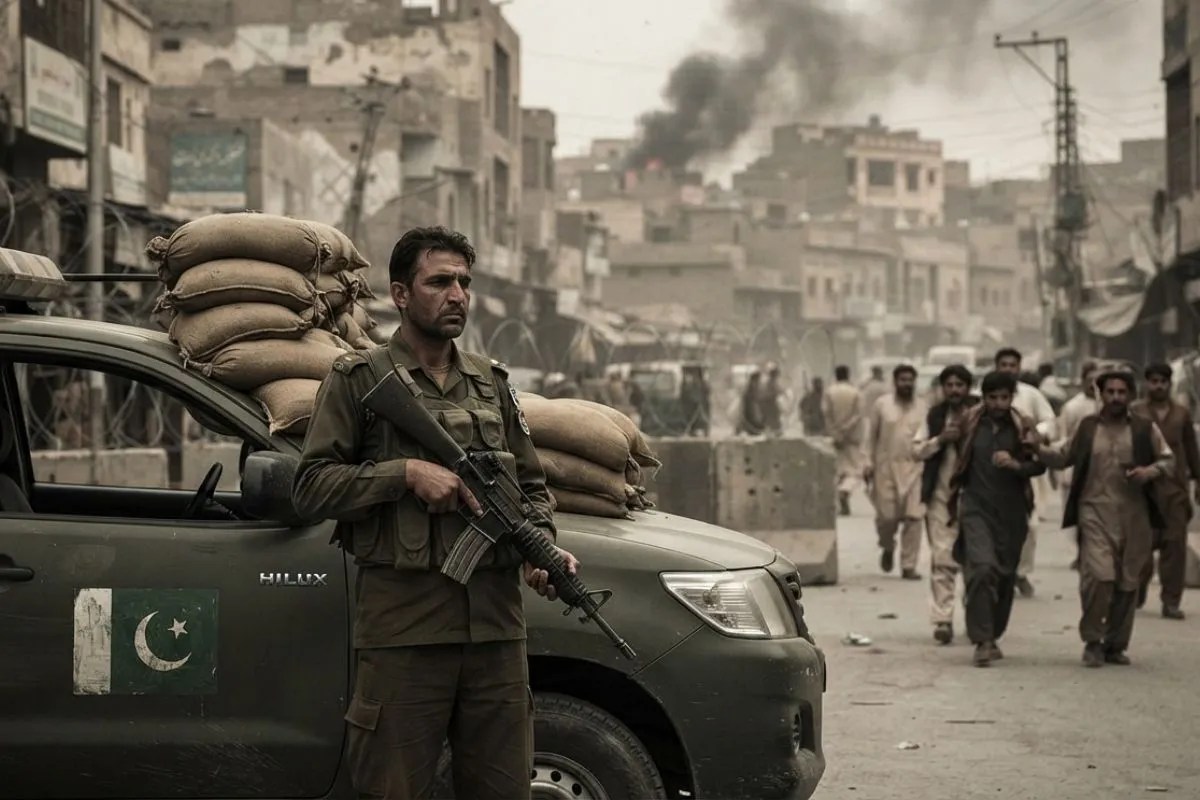
The statistics tell a grim story of chickens coming home to roost. Security forces are now locked in a relentless, exhausting counter-insurgency on their own soil. Checkpoints that once focused outward toward distant borders now face inward, fortified against countrymen turned executioners. Billions of dollars diverted from education, healthcare, and infrastructure are instead funneled into a desperate internal war.
The tragedy of this architecture is its absolute predictability. History is littered with the bones of empires and states that thought they could outsource violence without paying the interest.
When a government chooses to govern through shadow and proxy, it slowly hollows out its own institutions. The courts lose their teeth. The police become secondary to intelligence monoliths. The rule of law bends until it snaps. And when the monsters you built come knocking at your door, you find that the legal and moral framework you destroyed to build them is precisely what you need to stop them.
The defense minister's admission was framed as a moment of brutal honesty. But honesty without accountability is just an obituary written in advance.
The unguided missiles are in the air now. They streak across the night sky of the frontier provinces, guided by a warped fanaticism that cares nothing for borders, flags, or the men who signed the original checks. They do not care about geopolitical strategy. They care about blood, fire, and total domination.
As the sun sets over the rugged peaks, casting long, bruised shadows across the valleys, the sentries at the outposts check their magazines once more. They know the truth that the politicians in the capital are only beginning to whisper to each other in the dark.
You cannot negotiate with a storm you invited into your own living room. You can only brace for impact, and wonder how long the roof will hold.