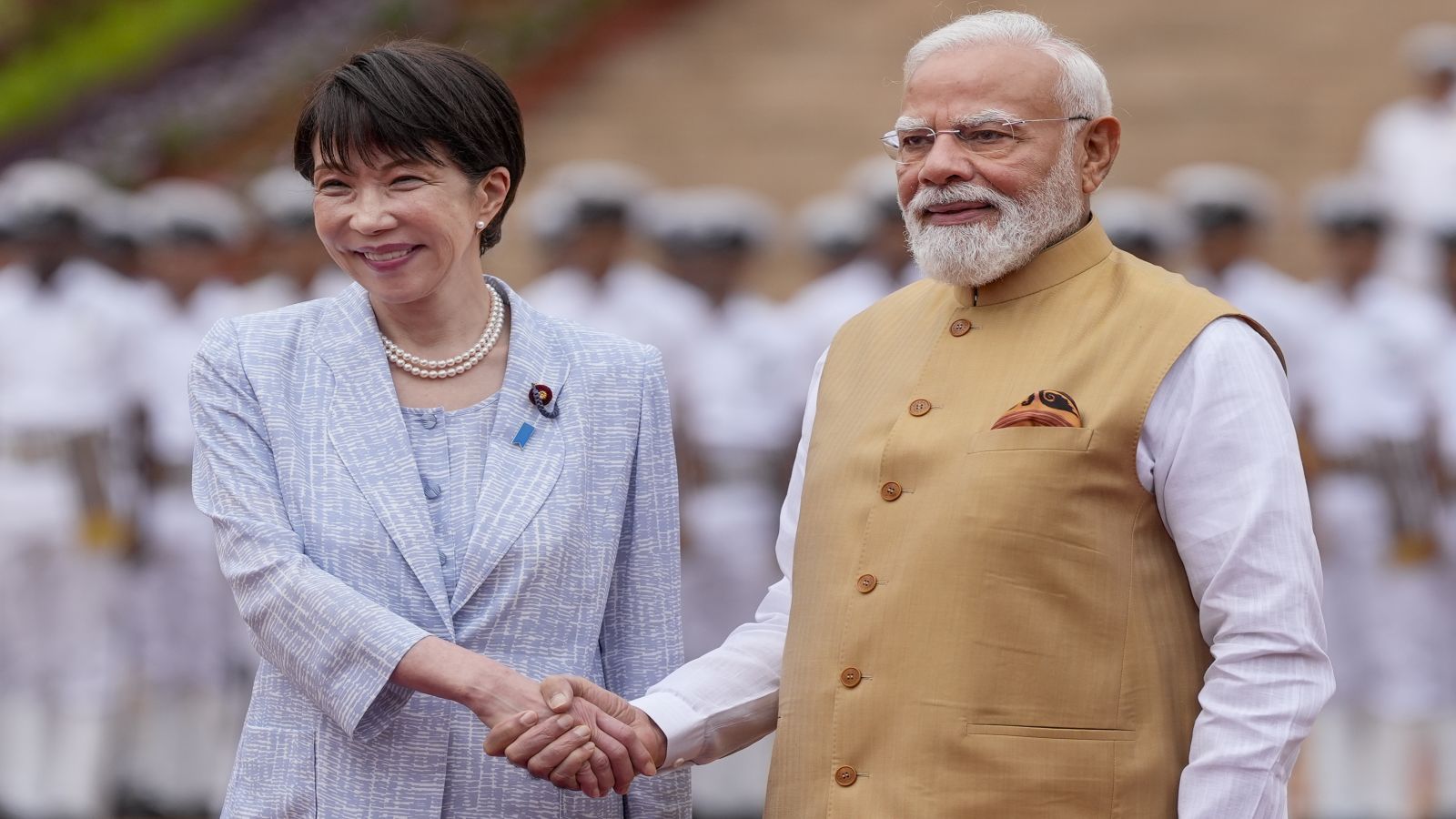
Forget the usual boilerplate diplomatic talk. The meeting in New Delhi between Narendra Modi and Japan's new Prime Minister, Sanae Takaichi, wasn't just another routine handshake photo-op. It marks a fundamental shift in how Asia's second- and third-largest economies plan to handle everything from artificial intelligence to military hardware.
If you've been watching global supply chains crack under pressure lately, you know exactly why this matters. Inflation is biting hard, fuel costs are wild, and the tech war between the US and China is keeping everyone on edge. India and Japan have realized that relying on old supply setups is a recipe for disaster.
The 16th India-Japan Annual Summit at Hyderabad House yielded serious commitments. We are talking about billions of dollars in investments, major defense co-development, and a literal rewriting of how these two powers share technology.
The AI Marriage of Precision and Scale
We keep hearing about the race for AI dominance, but most of it is just corporate marketing hype. What happened in Delhi is different. India and Japan signed a Joint Statement on Cooperation in the field of Artificial Intelligence.
Modi summed it up perfectly during the press brief. He pointed out that the alliance pairs Japan's precision technology with India's massive software capabilities. It makes complete sense. Japan makes incredible hardware and high-precision tech but lacks the sheer volume of software developers that India possesses. By combining India's scale with Japanese quality engineering, they are trying to build a serious alternative to Western and Chinese AI ecosystems.
This isn't just talk. Major Indian tech institutions signed direct agreements with Japanese partners during the summit. They are linking up their systems to work on practical computing challenges, semiconductor design, and quantum tech. If you are in the tech sector, ignore this at your own peril.
Breaking the Defense Taboo
For decades, Japan's pacifist constitution kept its massive defense tech locked behind closed doors. Takaichi is changing that. Following footsteps laid down by Shinzo Abe and Fumio Kishida, she has pushed Japan to open up its defense sector.
The big news here is the co-development project involving the Naval Radio Antenna known as Unicorn. This isn't Japan just selling hardware to India. They are going to build defense tech together.
"This project involving the Naval Radio Antenna 'Unicorn' will open a new chapter in our defense technology partnership," Modi stated.
Why does this matter? Look at the map. Both nations are staring down an increasingly aggressive China in the Indo-Pacific. With the Strait of Hormuz facing constant security crises, protecting maritime trade routes is life or death for both New Delhi and Tokyo. Jointly developing naval tech means their military systems will plug into each other seamlessly. It is a direct warning shot to any power trying to disrupt the rules-based order in Asian waters.
Ten Trillion Yen and One Thousand Biogas Plants
If you think diplomacy is just about weapons and software, look at the cash. Japan reaffirmed its massive target of investing 10 trillion yen (which translates to roughly $62 billion depending on the day's exchange rate) into India over the next decade. The goal is simple: double the number of Japanese companies operating on Indian soil. Right now, about 1,400 Japanese firms operate in India. Expect that number to skyrocket.
They are also tackling immediate economic pain points like energy and food security. The two nations are launching the India-Japan Bio-gas Initiative.
- 1,000 plants: They will build one thousand bio-gas and organic fertilizer plants across rural India.
- Rural livelihoods: This moves India away from expensive imported fertilizers and boosts village economies.
- Critical Minerals: They signed a pact to collaborate on geology and mining to secure battery supply chains.
With the rupee and yen both facing headwinds, getting self-sufficient on energy and minerals is the only way to insulate their domestic economies from global shocks.
Brother Sister Diplomacy in an Unforgiving World
Summits are usually stiff, but the personal chemistry here was impossible to miss. Modi openly referred to Takaichi—Japan's first female prime minister—as his "younger sister." Takaichi rolled with it, noting that they had agreed in private meetings to nurture their strategic relationship like family.
Don't mistake the warm words for soft policy. Takaichi is a known hawk on security and economic sovereignty. Her quick trip to India right after visiting Australia shows Japan is aggressively locking in its Quad alliances. With Donald Trump talking about a potential bilateral deal with China and questioning old alliances, India and Japan are making sure they aren't left exposed. They are building a multipolar Asia where they hold the steering wheel.
For businesses and investors, the writing on the wall is clear. The economic alignment between Delhi and Tokyo is accelerating. Expect smoother cross-border banking setups—including new provisions allowing non-resident Japanese entities to open Indian bank accounts easily—and a surge in joint tech ventures. If your enterprise relies on tech supply chains, semiconductors, or green energy, start looking at Indo-Japanese corridors now because that is where the capital is flowing.