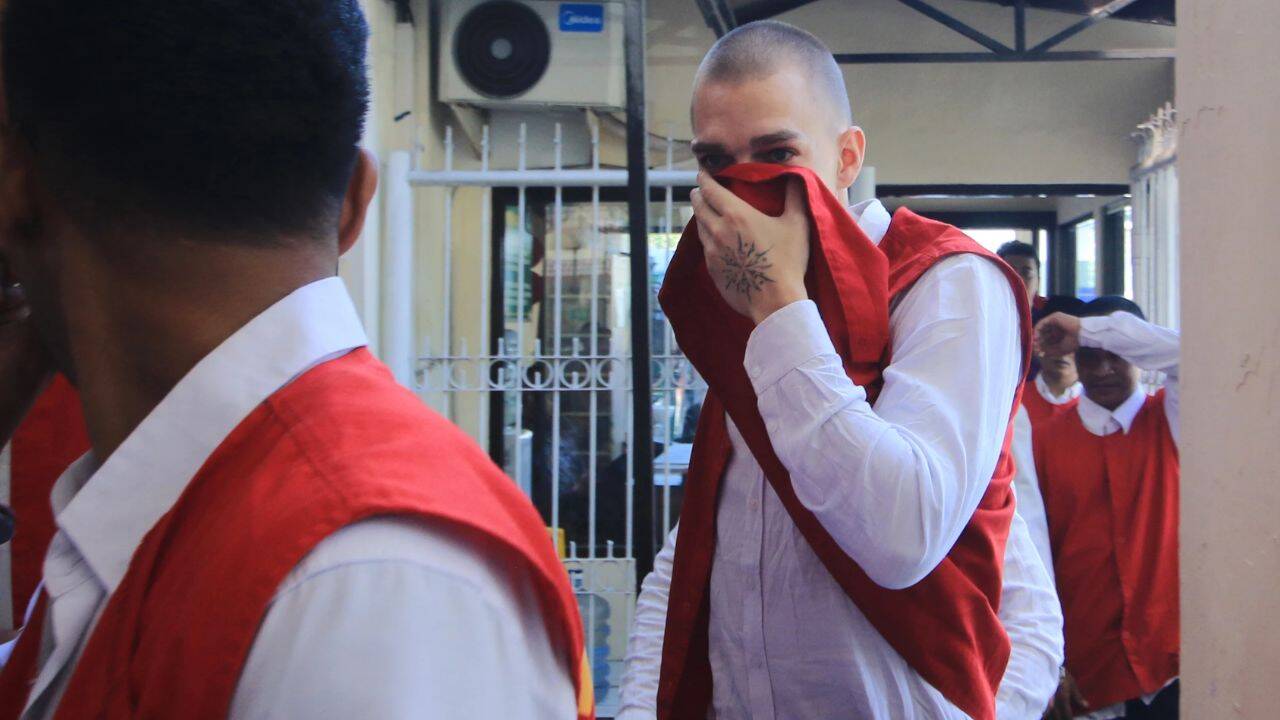
When 26-year-old Swiss tourist Luzian Andrin Zgraggen decided to film himself walking to a beach during Bali's most sacred holiday, he probably thought he was making edgy content for his Instagram followers. The Denpasar District Court proved him catastrophically wrong. Sentenced to one year in prison under Indonesia's criminal code, Zgraggen learned the hard way that treating local customs like an inconvenience carries a massive price tag.
If you think you can land in a foreign country, ignore centuries-old religious traditions, and brush off local laws with an apology video, this case is your wake-up call. Let's break down what actually happened, what Nyepi really means, and why Indonesian authorities are dropping the hammer on disrespectful travelers.
What Is Nyepi and Why Does Bali Shut Down Completely
Nyepi is the Balinese Hindu New Year, usually falling in March. For 24 full hours, the entire island comes to a complete standstill. Traffic stops. Beaches empty out. The international airport shuts down entirely, and even internet access is heavily curtailed.
The rules are simple: everyone on the island, locals and foreigners alike, must stay indoors. You are expected to keep lights minimal, maintain silence, and spend the day in introspection and meditation. There are no exceptions for nationality or religion.
Tourists often get blindsided by this. Travel agencies do try to warn people, but wanderlust-driven visitors sometimes land in Bali expecting a 24-hour party destination. When reality hits and they realize they can't grab a late-night burger or hit the surf, frustration sets in.
The Instagram Posts That Sealed His Fate
During the Nyepi observance, Zgraggen decided he had enough of the lockdown. Staff at his villa had explicitly warned him about the restrictions before the holiday began. He ignored them anyway.
He posted videos to Instagram showing himself strolling down to the beach. In the clips, he smiled at the camera, used expletives, and called the centuries-old tradition "crazy". He even wrote online that people could ignore the rules.
The backlash was instant. Balinese residents flooded social media with outrage. Local authorities tracked him down to a villa in Legian near Kuta Beach and hauled him in.
When his trial started in June, his defense strategy followed a predictable playbook. He claimed he was hungry, frustrated by the food shutdown, and didn't understand the full scope of the restrictions. He told the court he never meant to insult Hinduism and offered an apology.
The judges didn't care about the excuses. Presiding judge Tjokorda Putra Budi Pastima noted that the defendant's actions directly insulted the faith and triggered public outrage. While the offense carried a maximum penalty of five years under Indonesia's new criminal code, the court shaved it down to one year due to his youth and cooperative behavior during the trial.
Why Local Authorities Are Getting Tougher on Tourists
Bali is tired of bad behavior. For years, viral videos of foreigners disrespecting temples, climbing sacred trees, and flouting local ordinances have plagued the island. Governments across Southeast Asia are realizing that slap-on-the-wrist warnings do nothing to stop entitlement.
Indonesia's revised legal framework gives prosecutors sharper teeth to deal with public nuisance and hate speech or offenses against religious harmony. This case sends an unmistakable message. If you visit Bali, you play by their rules.
Respect isn't optional. Checking local laws before you book a flight isn't just smart planning—it keeps you out of a concrete cell. Pack your patience, learn the cultural norms of wherever you land, and leave the complaints off your social media feed.