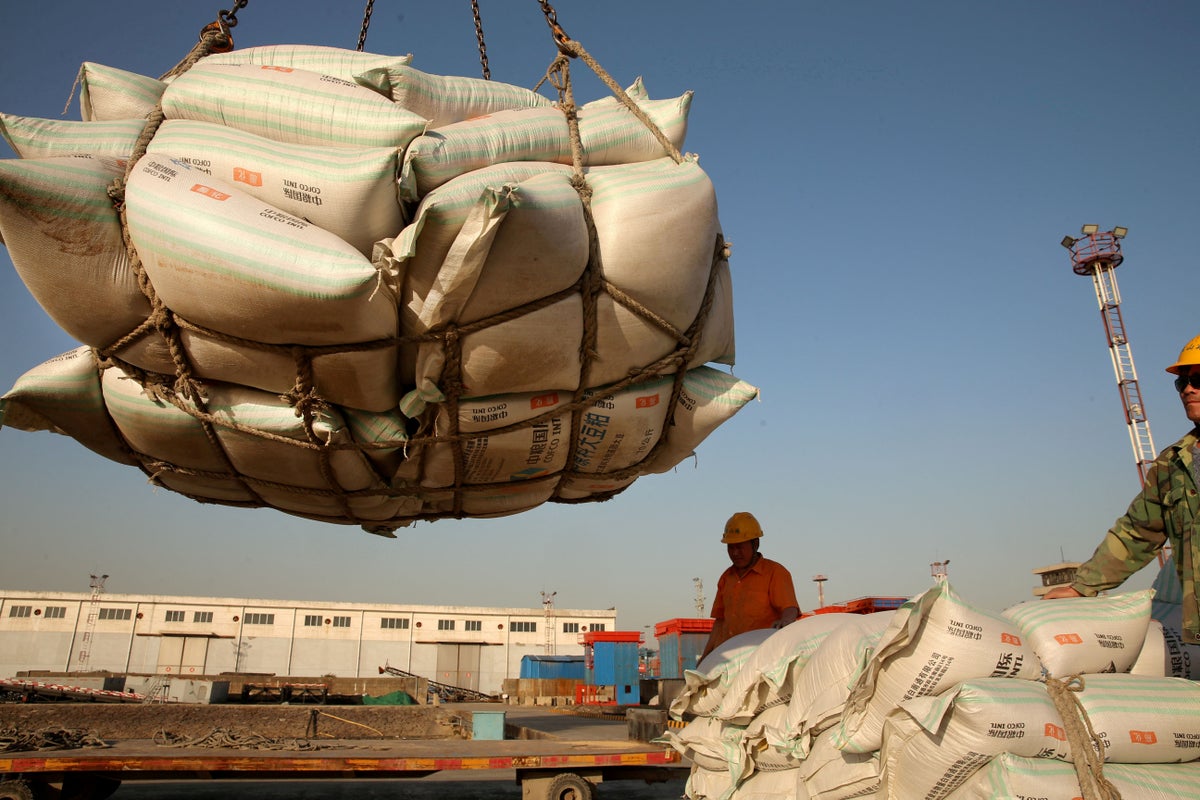
The headlines are screaming about a million tons of American soybeans changing hands ahead of a Washington summit, painting it as a masterclass in geopolitical theater. Every mainstream trade analyst is rushing to dust off their old playbooks about olive branches and soft power. They want you to believe this is Beijing rolling out the welcome mat, signaling a thawing of tensions with a neat little agricultural purchase order.
It is a completely manufactured narrative built by people who have never spent ten minutes looking at a crush margin or staring down a domestic protein deficit in Henan.
I have watched desks blow millions trying to trade political headlines while missing the raw, greasy mechanics of physical supply chains. When a government buyer steps up to clear a million tons of old-crop beans right before a high-profile diplomatic visit, the media calls it statecraft. Anyone with a Bloomberg terminal and a basic grasp of South American logistics calls it an emergency.
Beijing is not buying American soybeans to make friends. They are buying because Brazil is tapped out, their domestic crushers are bleeding cash, and their pig herds are eating faster than local reserves can replenish. Framing this as a goodwill gesture misreads the entire mechanism of modern commodity trade.
The South American Tightrope
To understand why this transaction is an act of desperation rather than diplomacy, look at the calendar and the shipping lanes. For the past five years, American agriculture has steadily lost market share in the world's largest import market. Brazil didn't win that market share purely on price; they won it because their export logistics scaled massively while Mississippi River barge traffic turned into a recurring administrative nightmare.
By September, the Brazilian export machine is running on fumes. Their harvest finished months ago, and remaining interior stocks are tightly held by farmers waiting for currency fluctuations or higher basis levels. Chinese crushers cannot simply dial up Paranaguá and expect a million tons to materialize on an overnight vessel.
When a state-backed buyer needs immediate coverage to keep meal prices from spiking domestically, they do not care about photo ops in Washington. They care about physical units hitting port before their domestic processing margins invert completely. The timing with the political summit is pure coincidence wrapped in convenient PR for administrations on both sides of the Pacific who desperately need a win for the cameras.
The Crush Margin Reality
Let us strip away the geopolitical gloss and look at the brutal arithmetic driving these purchases. Soybean processing is a ruthless business. You buy beans, you crush them, and you sell soybean meal to feed hogs and soybean oil for food processing. The difference between your input costs and your output revenue is your crush margin.
For most of this year, Chinese crush margins have hovered near razor-thin or outright negative territory. Domestic pork prices have been volatile, and consumer demand remains sluggish despite wave after wave of fiscal stimulus announcements. When margins are that tight, buyers do not absorb premium prices for political reasons. If they are paying up for American origin, it means local availability is so constrained that they have zero alternatives.
The Real Signalling Game
If you want to know what Beijing is actually signaling, look past the soybean tonnage and examine the freight rates and payment mechanisms.
When state enterprises step into the Gulf of Mexico export market, they are hedging against domestic inflation risks that politicians cannot afford to ignore ahead of winter. Pork is a protected strategic commodity in China. A spike in feed costs translates directly to consumer price index pressures that trigger immediate regulatory crackdowns on local speculators.
The transaction happened because the math forced it to happen. American farmers get a temporary relief rally in CBOT futures, Washington gets a talking point about economic stability, and Beijing secures the protein units it needs to keep rural inflation quiet.
Stop reading diplomacy into logistics. The market always tells the truth long before the politicians write their memoirs.