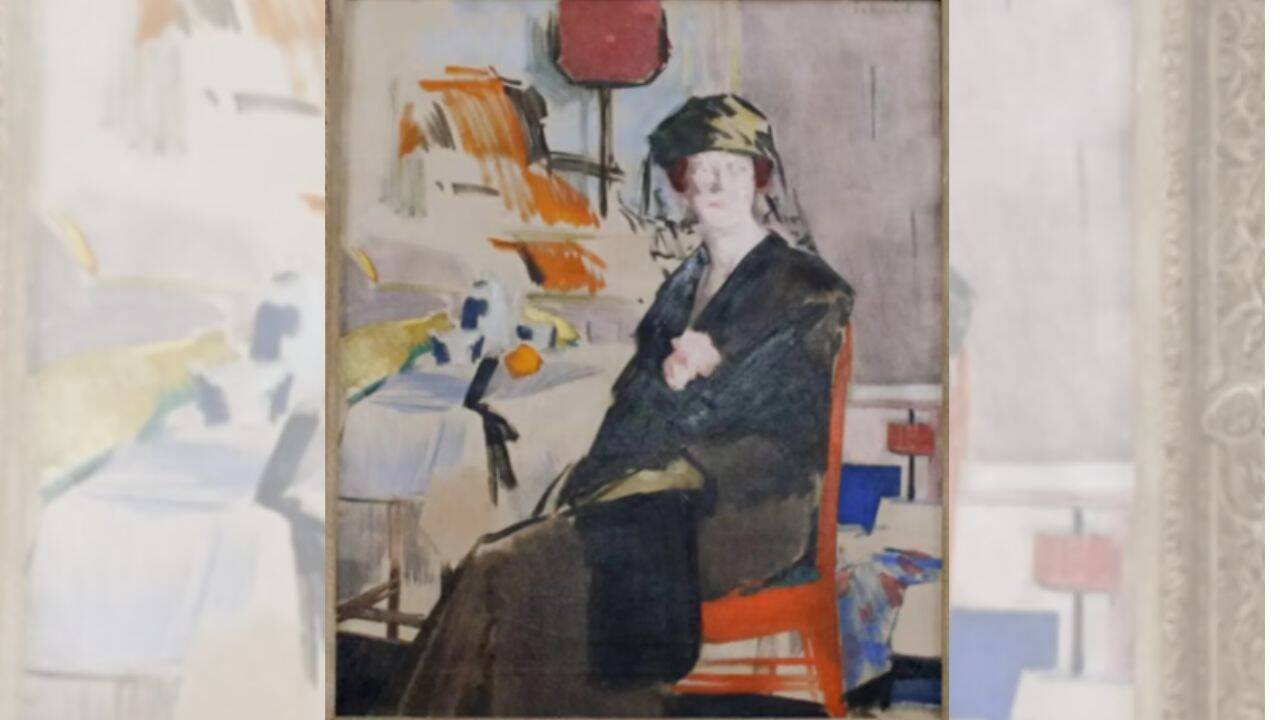
Everybody loves a garage sale fairy tale. The narrative writes itself: some broke amateur drops pocket change on a dusty canvas at a charity shop, tosses it in a spare bedroom, and sixty years later, auctioneers drop gavels to the tune of two hundred thousand pounds. The media eats it up. The public sighs, dreams of rummaging through boxes of old oil portraits, and convinces themselves that hidden fortunes sit behind every stained frame at the local charity outlet.
It is a comforting delusion. And it is entirely wrong.
That stroke-of-luck headline hides a brutal financial truth. When a hundred-dollar thrift store find explodes into a six-figure payday decades later, the media frames it as a genius treasure hunt. They skip the math. They omit the holding costs, the insurance bills, the climate-controlled storage, inflation, and the auction house vigs that slice right through the supposed profit.
I have watched wannabe collectors blow small fortunes chasing ghost lots, treating flea markets like venture capital seed rounds. They buy junk because it looks old, convincing themselves they possess the eye of an expert appraiser. They do not. They possess a hoarding problem backed by wishful thinking.
Let us dismantle the myth piece by piece.
The Illusion of Accidental Wealth
The core argument of every viral art find rests on a single, lazy premise: appreciation is automatic given enough time. Leave an object alone for half a century, the logic goes, and culture will eventually recognize its genius.
History laughs at that theory.
For every canvas that spikes in value after six decades, ten thousand other discarded paintings rot in damp basements, worth less today than the fuel it took to haul them home. The survival bias in the art market is staggering. We hear about the outlier that cleared six figures at Christie's or Sotheby's, but we never hear about the millions of identical landscape daubs that ended up in local landfills because nobody wanted them at fifty cents apiece.
Time does not add value to garbage. Time exposes it.
When a forgotten painting actually appreciates, it is almost never because the original artist was a misunderstood visionary waiting for a modern audience. It is because the market shifted, a specific trend caught fire, or aggressive PR manufactured demand out of thin air. You are not betting on the painting. You are betting on future liquidity and a herd of speculators willing to play musical chairs with someone else’s attic castoffs.
The Real Cost of Storing Junk
Let us run the actual numbers on that sixty-year investment.
Say an amateur buyer spends ninety pounds on an oil portrait in 1966. That sounds like a brilliant return when it sells for nearly two hundred thousand today. But money has a cost. If that original ninety pounds had been dropped into a basic equity index fund tracking the broader market over the same sixty-year span, compound interest would have turned that spare change into a mountain of cash without requiring a single square inch of wall space or a single pound spent on professional cleaning, restoration, and appraisal fees.
Furthermore, physical assets demand tribute.
- Storage: Keeping a canvas safe from humidity, direct sunlight, and smoke damage for six decades requires climate control.
- Insurance: High-value fine art demands specialized riders.
- Transaction Friction: Auction houses do not work for free. Sellers lose up to twenty or twenty-five percent right off the top in buyer and seller premiums, plus transport and cataloging fees.
When you factor in the carrying costs of holding a physical object for half a lifetime, the internal rate of return on that thrift store masterpiece starts looking mediocre. Yet people treat the gross sale price like net profit, blinded by the shiny number on the auction block.
Stop Collecting Junk and Start Buying Logic
The obsession with cheap finds stems from an aversion to real risk. Buying index funds, building a business, or investing in productive assets requires discipline, financial literacy, and the willingness to face hard data. Digging through a bin of water-damaged prints at a charity shop feels like an adventure. It feels like cracking a code.
It is not an adventure. It is lottery ticket buying with extra steps and worse odds.
If you want to collect art, buy it because you want to look at it every day. Buy it because the visual weight of the piece alters your room and challenges your perspective. Treat it as consumption, not investment. The moment you start viewing a framed canvas as a retirement vehicle purchased for pennies, you stop being a collector and start being a gambler with a terrible poker face.
The next time you see a headline about a bargain-bin painting fetching a king's ransom, do not look at the final price tag. Look at the sixty years of lost opportunity cost sitting quietly in the shadows.
Stop hunting for miracles in the clearance bin. The house always wins, and thrift stores are no exception.