The lobby air conditioning hummed at a relentless twenty-two degrees, blowing a steady, artificial chill across the polished marble floors. Outside, the city of Hong Kong roared with its usual chaotic energy—taxi horns barking, neon signs bleeding pink and gold through the humidity, millions of lives moving at breakneck speed. Inside, however, the five-star hotel offered a sanctuary of quiet luxury. Soft jazz drifted from hidden speakers. Velvet armchairs swallowed sound.
It was supposed to be safe. Recently making headlines recently: Inside the Wang Fuk Court Flat Selection Process and What Homeowners Need to Know Now.
He was tired. We have all been there—that heavy-lidded exhaustion that settles behind the eyes after a long journey, making the world feel soft and distant. He sank into a deep, plush armchair, closed his eyes for just a moment, and let sleep pull him under.
In that moment of vulnerability, the invisible boundary protecting personal property vanished. More insights on this are covered by The Guardian.
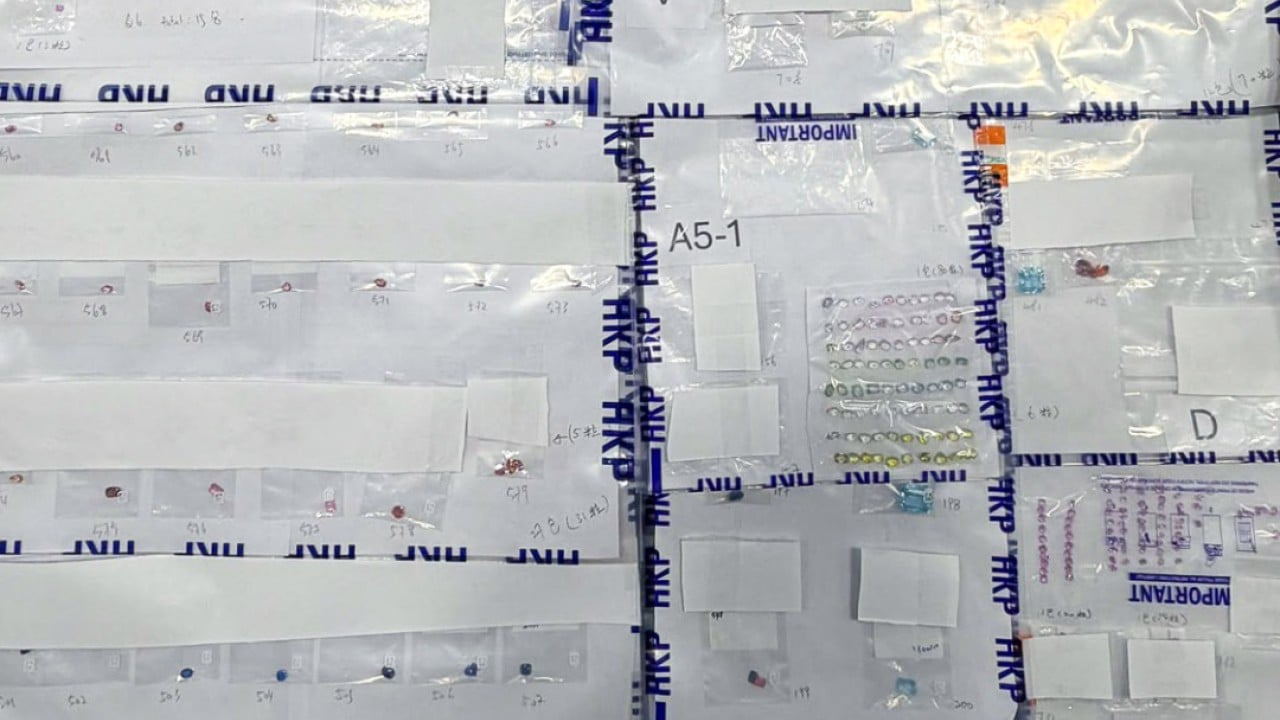
Police later pieced together the timeline with clinical precision. While the guest drifted into deep slumber, surrounded by the quiet hum of high-end hospitality, someone else was watching. Someone for whom the plush lobby wasn't a place of rest, but a hunting ground. Within minutes, a bag containing roughly one million Hong Kong dollars worth of precious gems—diamonds and colored stones meant for high-stakes business—disappeared into the shadows.
When the guest finally woke up, blinking against the bright chandeliers, the silence of the room felt entirely different. It no longer felt peaceful. It felt exposed.
The subsequent arrest brought a swift end to the immediate mystery, but the psychological aftermath lingered. How safe are we when we let our guard down?
Hotels sell more than rooms; they sell sanctuary. They market an invisible bubble of security where the rules of the outside street do not apply. Porters, concierges, keycard scanners, and security cameras form a modern armor designed to keep chaos at bay. Yet, human nature remains the ultimate wild card. A sleeping traveler, a momentary lapse in vigilance, and the armor cracks.
Consider the anatomy of opportunity. Crimes of this magnitude rarely happen in broad daylight with sirens blaring. They happen in the quiet spaces, in the blind spots where convenience overrides caution. A briefcase resting casually on the floor. A jacket draped over a chair back. A traveler who assumes that paying top dollar buys immunity from human greed.
Security experts often talk about situational awareness as a constant tax on our mental energy. We are told to keep our heads on a swivel, to guard our belongings like hawks, to never truly relax even when we have paid for the privilege of doing so. But that exhausting reality contradicts the very reason we travel, the very reason we seek out places of rest.
We travel to let go. We travel to find moments of stillness where the weight of the world lifts from our shoulders.
When an incident like this shatters that illusion, it forces a reckoning within the hospitality industry. Management teams review camera angles, security patrols are doubled, and invisible protocols tighten. Yet, no amount of technology can completely eliminate the risk inherent in human spaces. As long as valuable treasures move through a world inhabited by flawed people, the tension between trust and temptation will remain.
The suspect is behind bars. The stolen gems are accounted for. But for anyone who has ever dozed off in a public lounge, trusting the world to be kind while they rest, the lesson cuts deep.
The city outside continues to roar. The lobby air conditioning still hums at twenty-two degrees. And somewhere in a velvet armchair, another traveler closes their eyes, trusting the silence.